
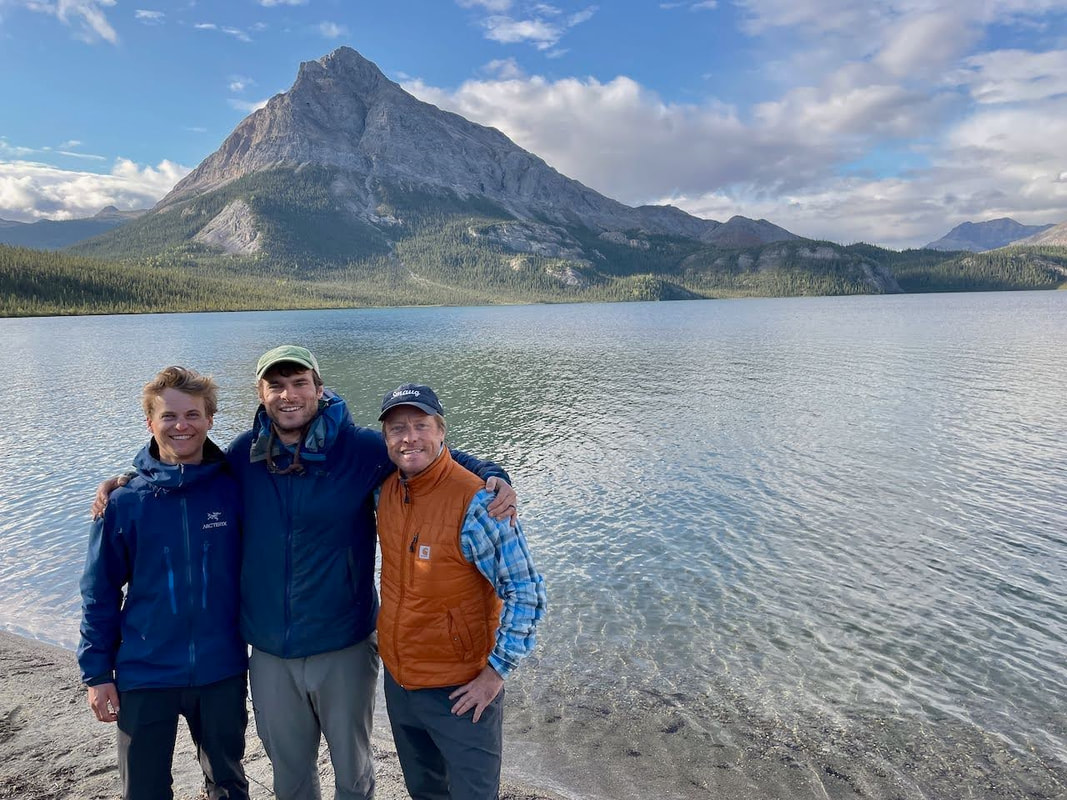
Adventures on the Alatna and Noatak Rivers
Adventure Scientists team members, Ricky Jones (Technology Manager), Gregg Treinish (Founder & Executive Director), and Mike Herring (Board Member), spent ten days backpacking and packrafting in remote areas of Alaska to collect data for the Wild and Scenic Rivers...
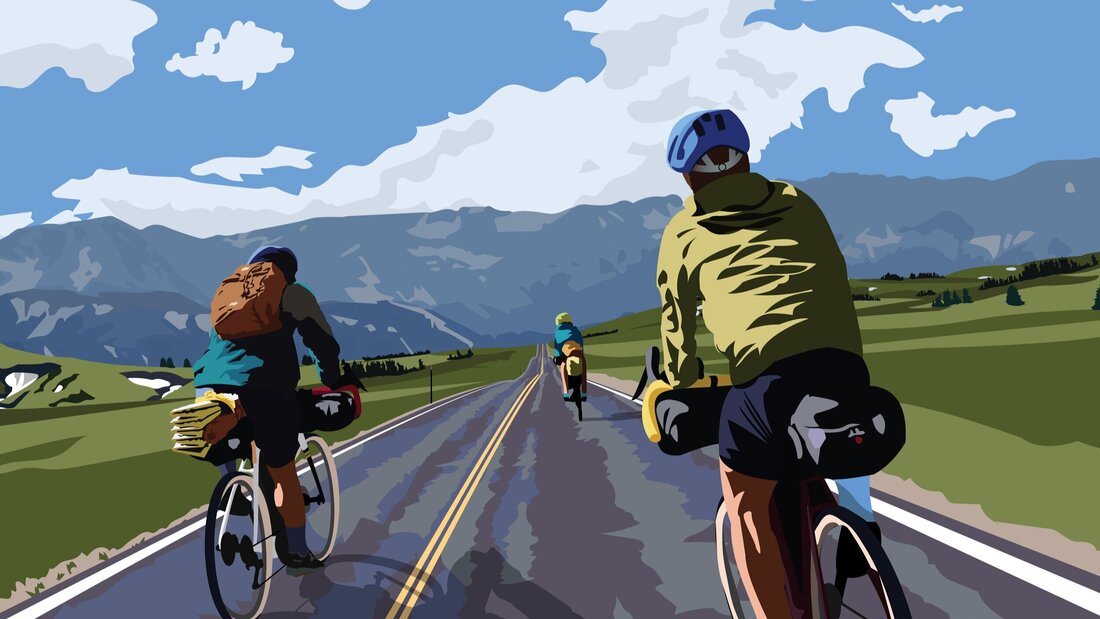
Volunteer Spotlight: Conor O’Brian Cycling Art
Rainstorms, a nerve-racking bear encounter, 5,000-foot ascents up mountain passes: Sounds exactly like a Rocky Mountain bikepacking trip. Three volunteers with Adventure Scientists’ Wildlife Connectivity project turned their data-collection trip into a week-long,...
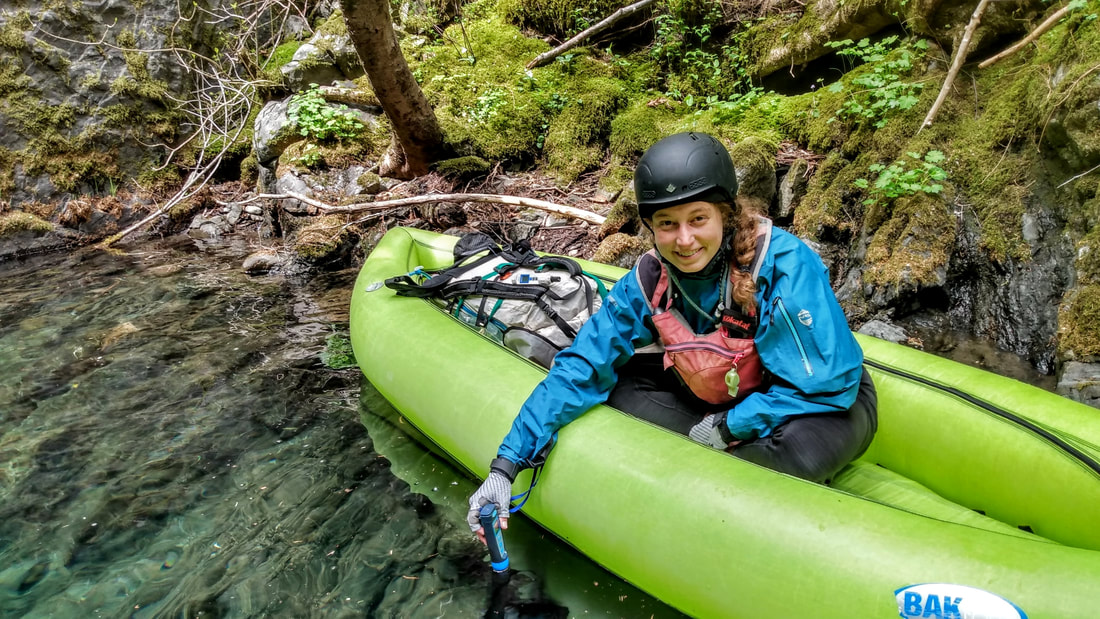
Volunteer Spotlight: Ellie Friedmann in Southern Oregon’s Kalmiopsis Wilderness
Ellie Friedmann takes water quality measurements from the North Fork of the Smith Wild and Scenic River in Oregon, during an early summer trip. Photo credit: Ellie and Northwest Rafting Co. Adventure Scientists' volunteers get to explore the outdoors with a mission....
Volunteer Spotlight: Alaska Yellow-Cedar with Stéphanie and Josef
Few trails, fewer roads, and endless adventure: For Alaska Panhandle residents Stéphanie Hayes and Josef Quitslund, volunteering to collect samples of yellow-cedar trees means battling spiny devil's club, balancing on mossy logs suspended over the forest floor,...
WATCH: Stories of Adventuring for Science!
From blasting through river rapids to rock-hopping along the spines of continents, our volunteers have amazing adventure stories from their pursuit of scientific data. In December, we invited four volunteers to share their stories as part of our...
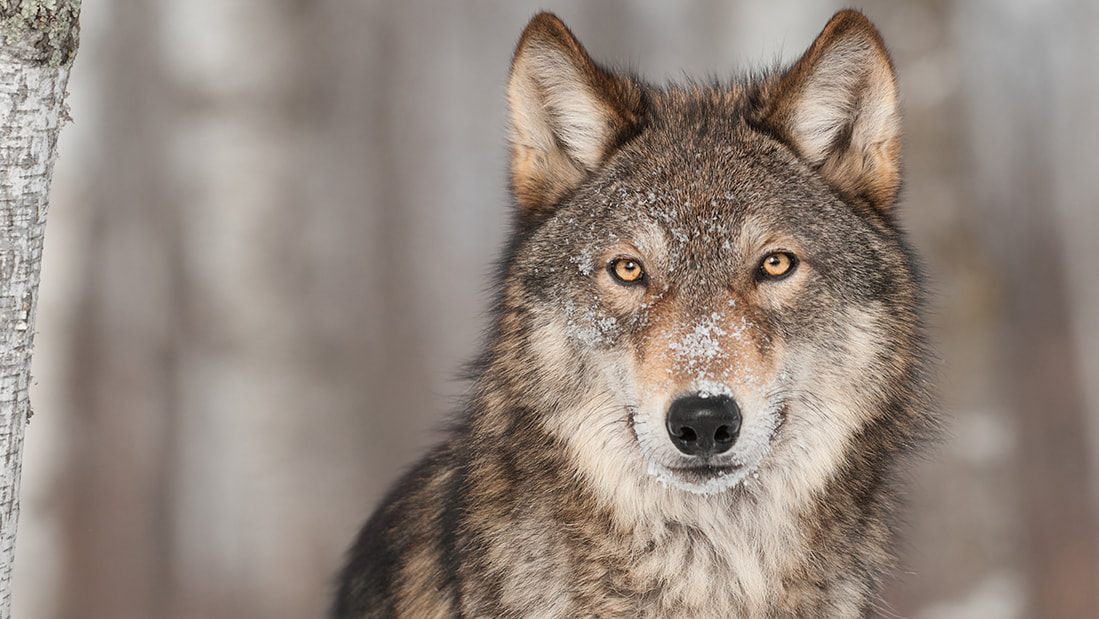
Despite Contentious Election, Key Conservation and Science Issues Win Big
Gray wolves will be reintroduced to western Colorado following voter approval of a November ballot initiative. The drama surrounding the 2020 US presidential election has overshadowed some key victories for science and conservation. Feeling anxious waiting for...
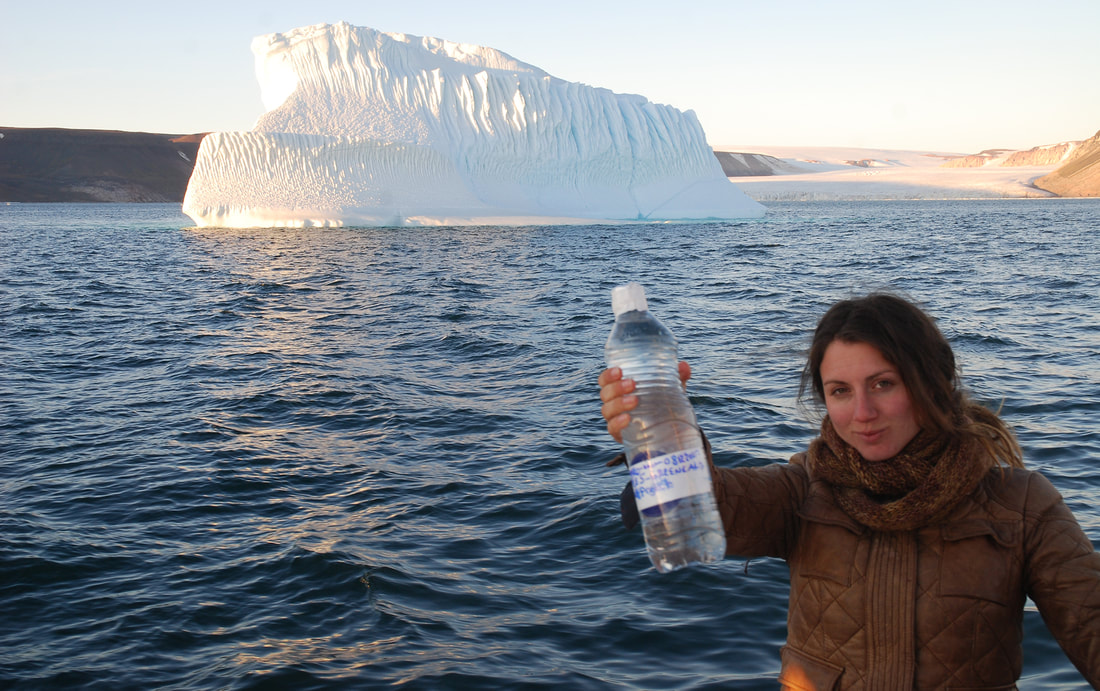
Microplastic Fibers from Clothing Concentrate in Arctic
Tip of the iceberg: volunteer Nikki Trenholm's seawater sample is one of thousands collected as part of our Global Microplastics Initiative. West Greenland. Photo: Matt Rutherford. Even if you never make it to the Arctic, microfibers from your fleece clothing likely...
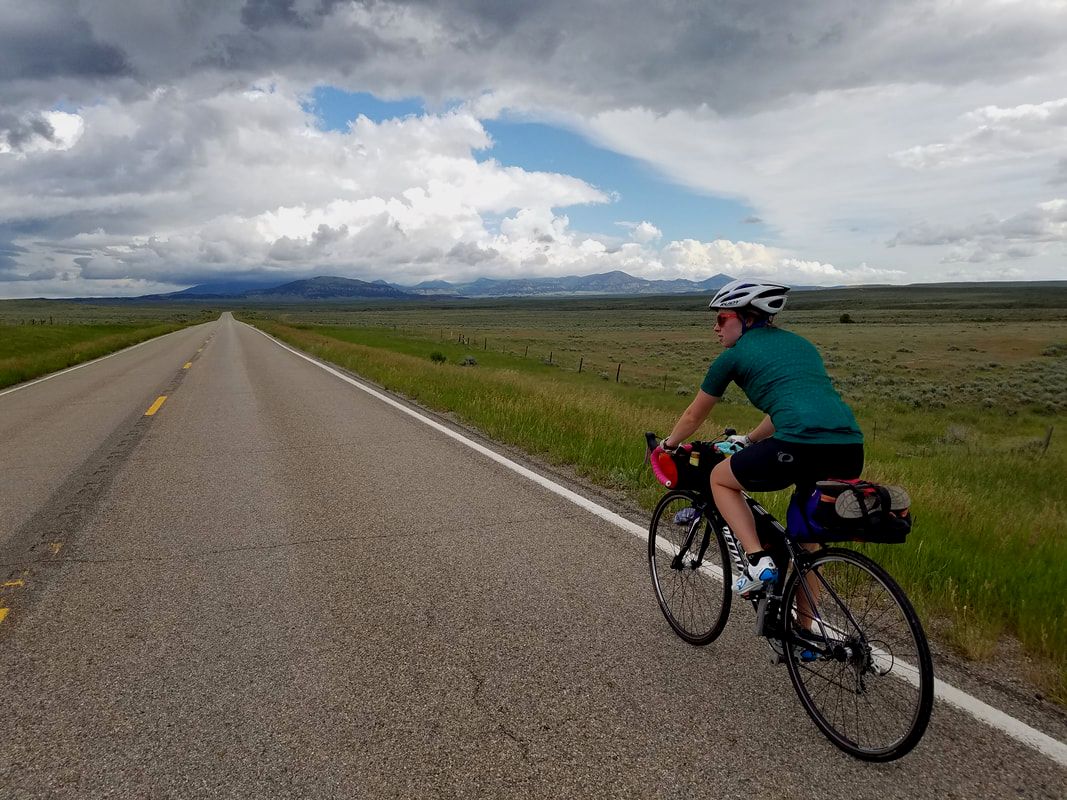
Biketouring Across Montana’s Prairie for Science
A multi-day road cycling trip takes two adventurers nearly 270 miles, through the Missouri Breaks National Monument and across rolling grasslands, as they record data to help save human and animal lives. Katya enjoying the Montana landscape at the start of a multi-day...
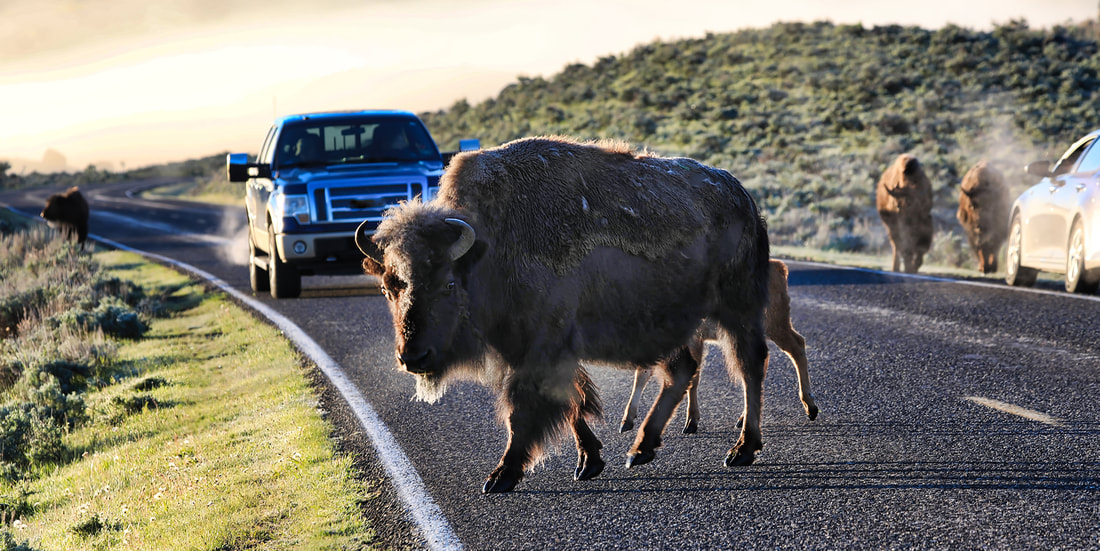
Where the Wild Things Are (And Where They Go)
Frosty morning surf session: bison don't just ride the "green wave" of spring across the landscape. According to 2019 research, their movements help create it. Pronghorn like to cross over highways; mule deer, under. Bison don't just feast on spring greenery;...
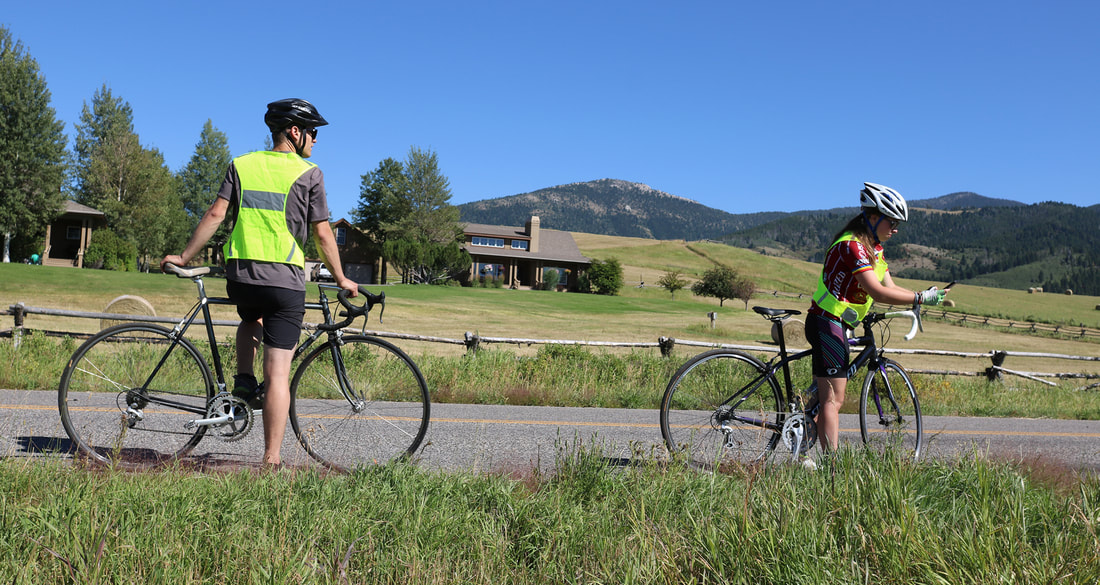
Social-Distancing-Approved: Cycling for Science
Cyclists photograph a road-killed animal for Adventure Scientists in Montana's Gallatin Valley. With some states easing COVID-related travel restrictions and closures, many outdoor enthusiasts are gearing up to get back outdoors with friends. The pandemic is far from...