By Victoria Ortiz and Abby Barrows
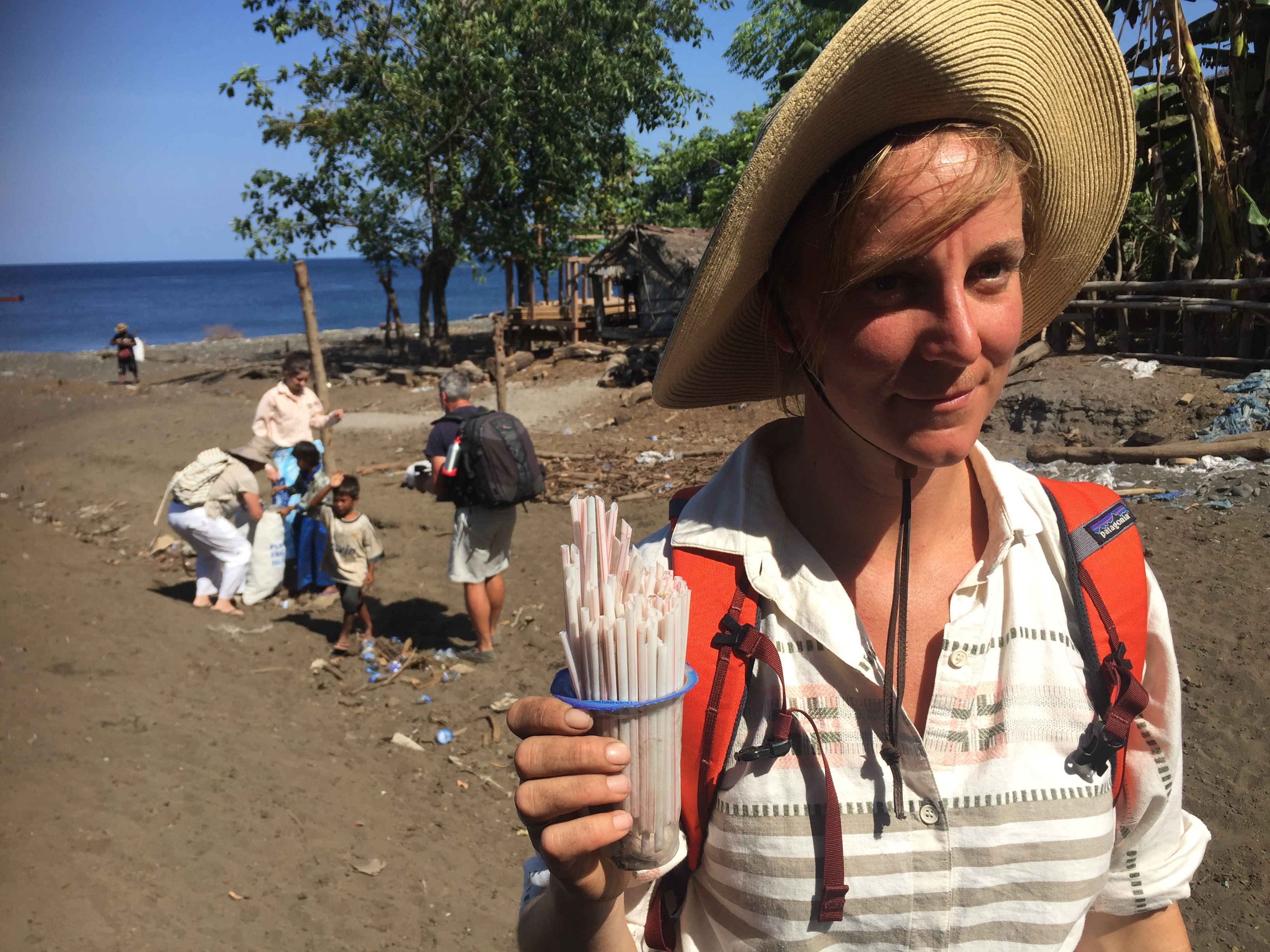
Abby at Bonto Village, Photo by Dianna Cohen
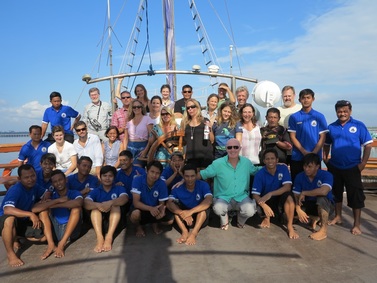
The Oceanic Society Expedition recently spent 10 days traveling by boat from Bali to Komodo to explore the impact of plastic pollution in this region. They invited Adventure Scientist’s Microplastics Researcher and College of the Atlantic Master’s student Abby Barrows to join a curated group of activists, artists, NGO directors, philanthropists and media from around the world to witness and document the extent of plastic pollution firsthand.
“I’m acutely aware of the plastic problem from a scientific standpoint,” says Abby. “But it’s different when you see gorgeous beaches filled with candy wrappers or plastic bottles, and realize that we haven’t seen a village in two days.”
“I’m acutely aware of the plastic problem from a scientific standpoint,” says Abby. “But it’s different when you see gorgeous beaches filled with candy wrappers or plastic bottles, and realize that we haven’t seen a village in two days.”
Over eight million metric tons of plastic make their way into our oceans every year. Indonesia is the second largest offender on this list, and was an obvious choice for Oceanic Society, Drifters Project, and Plastic Pollution Coalition to focus on for a trip.
|
Abby analyzes thousands of water samples sent from our volunteer adventurers from around the world in her lab in Maine. Our Global Microplastics Initiative maps and analyzes the spread and proliferation of plastic particles smaller than five mm that likely pose a massive environmental and human health risk when they enter our waterways.
|
|
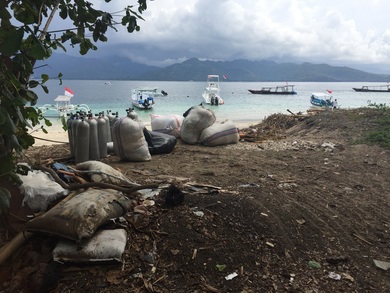
“There’s a certain amount of disconnect examining these samples from my lab in Maine,” said Abby. “Pulling out bags of trash every time we went snorkeling reconnected me with the depth of the problem and adds extra impetus to get this data before policy makers and businesses immediately.”
Abby and the team walked on “feet and feet of compressed trash” being illegally dumped on unmonitored protected land that is filling in the mangroves in Bali. Communities of people subsist on this “new land,” which will eventually developed for tourism infrastructure.
“The hardest part to swallow is that these large pieces of plastic are soon going to be microplastics, and once that happens it’s hard to fathom how to get them out of our water systems.”
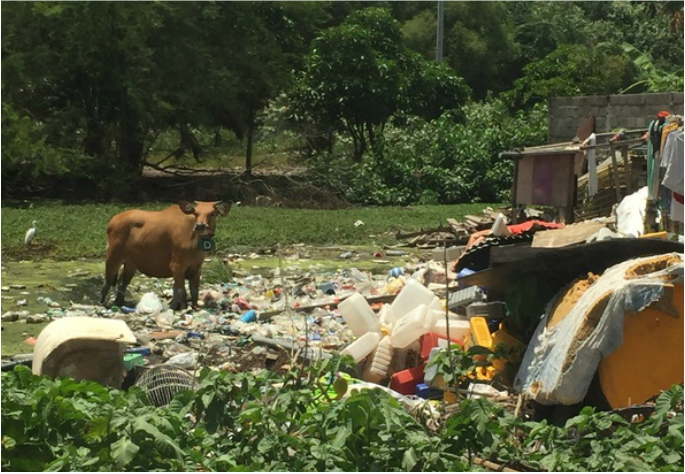
Illegal Balinese trash dump
One of the trip leaders was a local Indonesian man who had gone on past Oceanic Society trips and become an advocate within his community. Amiruddin Using lobbied for all chartered boats in the area to stop using single use plastic and to provide re-usable metal water bottles for the guests.
“Amir was so grateful that we were there. He showed me that this is not just a situation of outsiders coming in and saying it’s a problem. We need to arm individuals with the education and resources they need to drive change at a local level.”
“Amir was so grateful that we were there. He showed me that this is not just a situation of outsiders coming in and saying it’s a problem. We need to arm individuals with the education and resources they need to drive change at a local level.”
The recent success of statewide plastic bag bans and regularly organized beach cleanups show the world that there is already grassroots support to reduce plastic consumption.
“Change needs to come from many different levels. The easiest change to implement immediately is your personal choices.”
The Oceanic Society Expedition will be releasing a resolution and a few short films to showcase the beauty and trash of their experience soon.
“Change needs to come from many different levels. The easiest change to implement immediately is your personal choices.”
The Oceanic Society Expedition will be releasing a resolution and a few short films to showcase the beauty and trash of their experience soon.
Find out more about our Global Microplastics Project and other Adventure Scientists projects by visiting our website, the Landmark Notes blog and by following us on Facebook, Twitter and Instagram.