By Adventure Scientists Staff
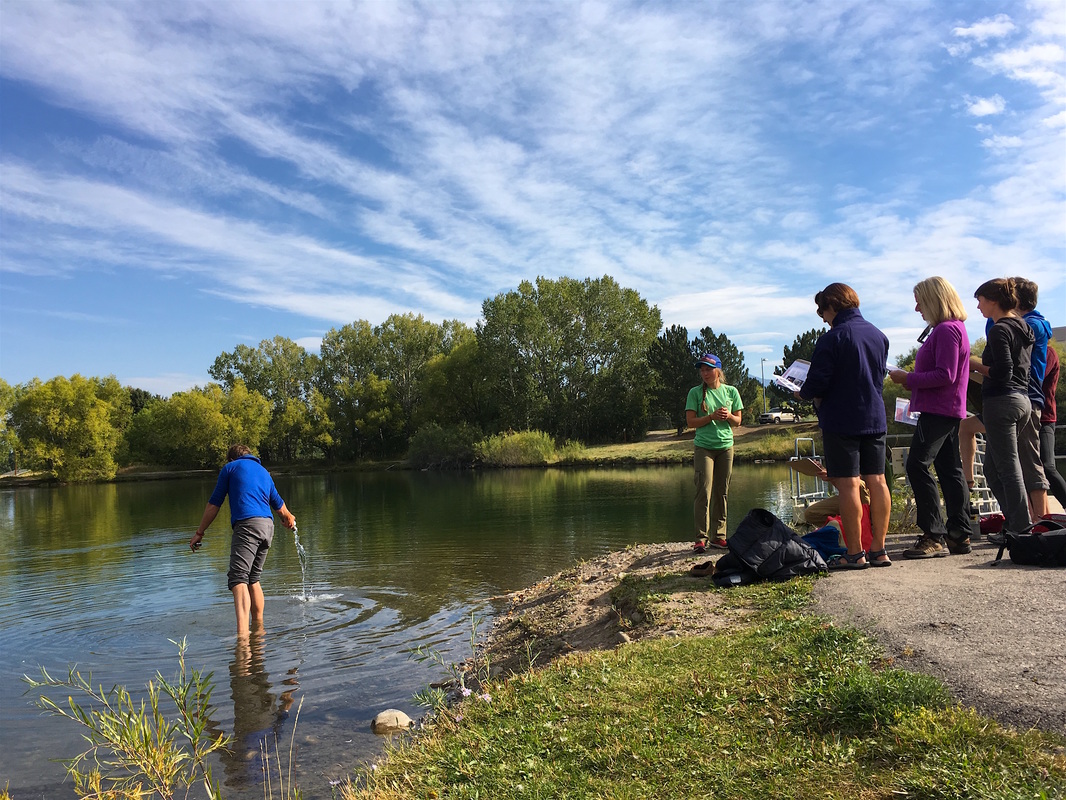
Guy Alsentzer and Kelsey Brasseur, our Microplastics Program Manager, train a new crew of volunteers at Bozeman Pond. Photo: Jeff Miesbauer
This weekend Adventure Scientists kicked off the second year of our Gallatin Microplastics Initiative, enlisting the help of 60+ volunteer Adventurers to gather water samples at 78 sites along the Gallatin River Watershed. Those samples will be tested for the presence of microplastics and, along with last year’s data, continue the most comprehensive study of freshwater microplastic pollution ever organized.
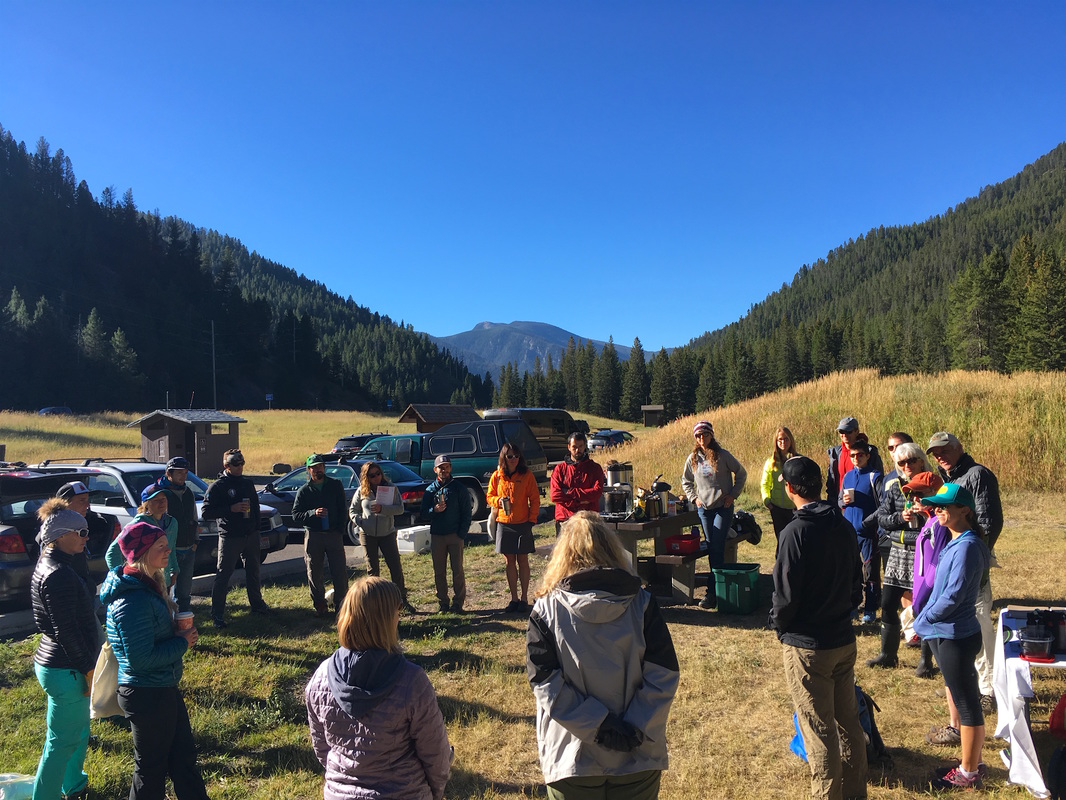
Day One of Gallatin Microplastics Training in Gallatin Canyon. Photo: Jeff Miesbauer
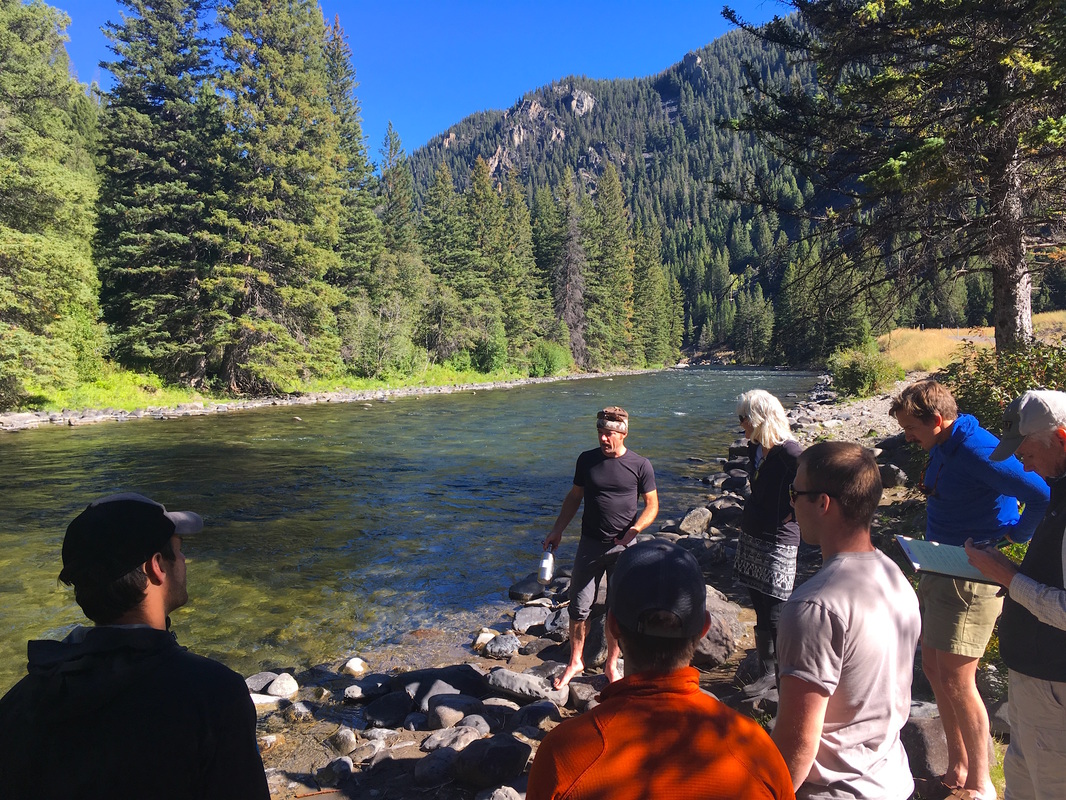
Mike Kautz training a new crew of volunteers on the Gallatin River. Photo: Jeff Miesbauer
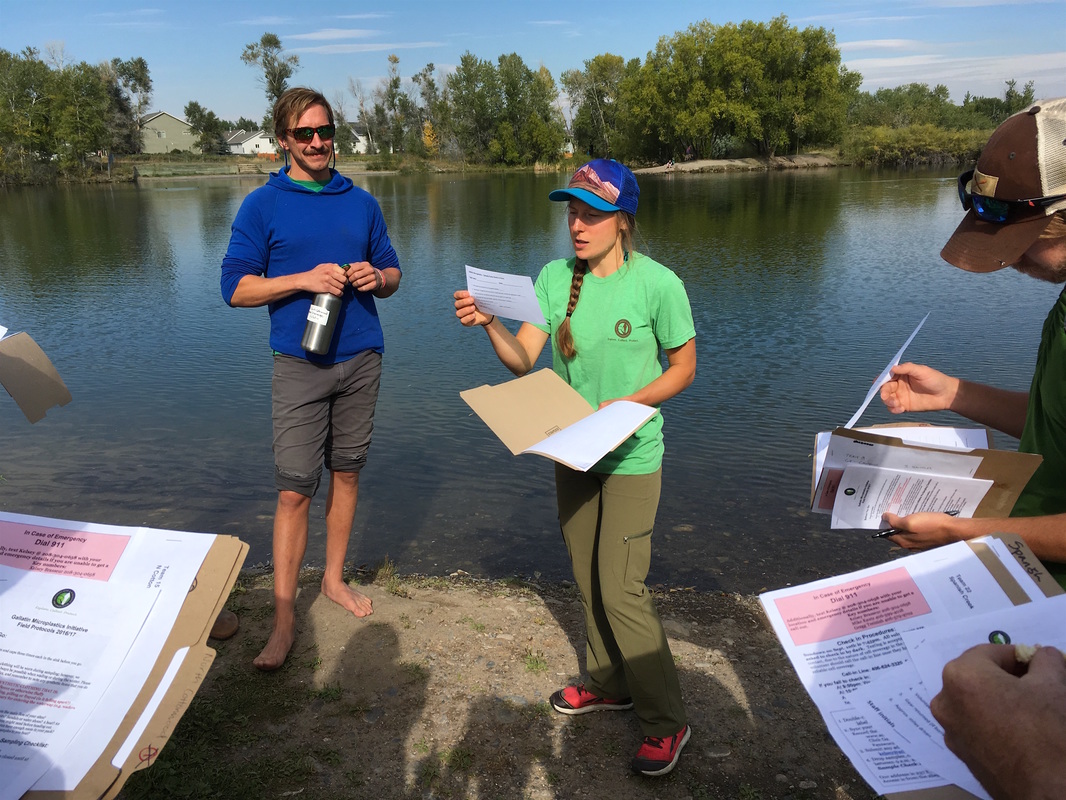
Alsentzer and Brasseur teaching volunteers water sampling protocols. Photo: Jeff Miesbauer
Each volunteer team was assigned two to four sites along tributaries or the main stem Gallatin River. After a group training session, Adventure Scientists staff members helped each team navigate to their sites and collect their first samples. The volunteer teams will return to their sites to collect additional samples in December, March and June in order to obtain a complete data set for the watershed that captures the impacts of seasonal river levels.
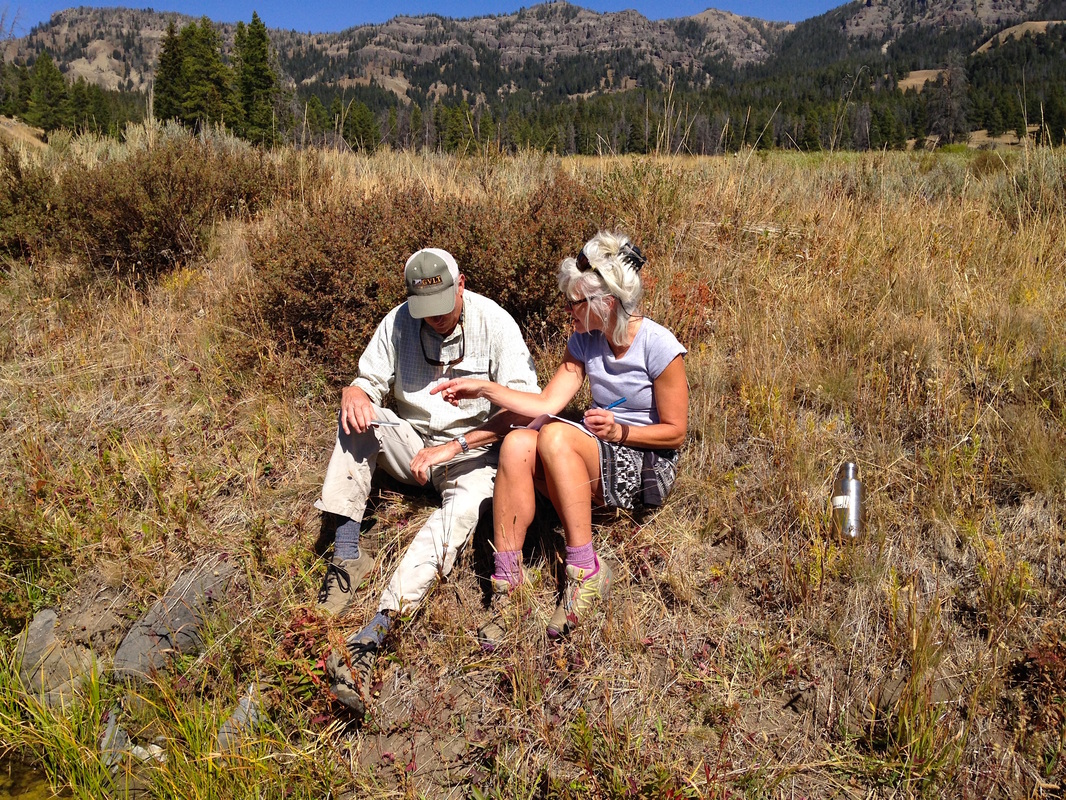
Page Dabney and Sheri Blackwood enter data on the banks of Daly Creek in Yellowstone National Park. Photo: Gregg Treinish
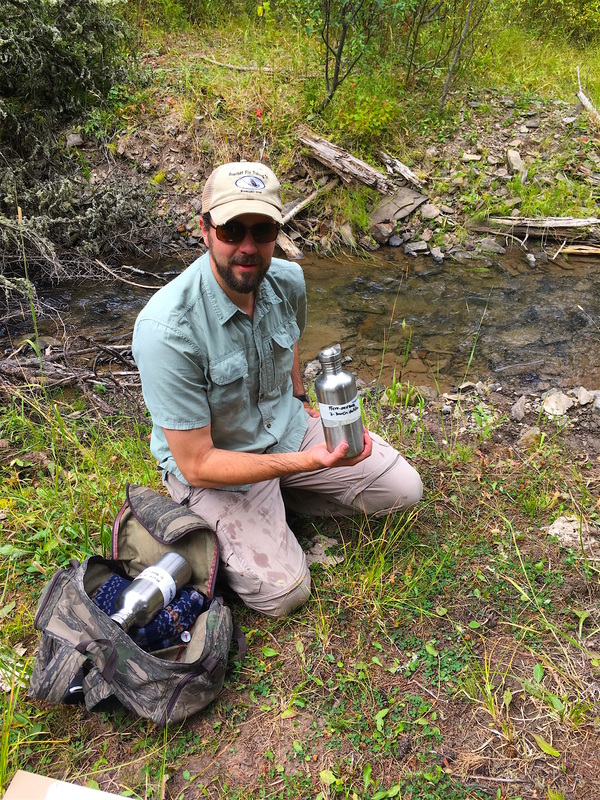
Dan Rice collecting a water sample from Bear Creek. Photo: Jeff Miesbauer
|
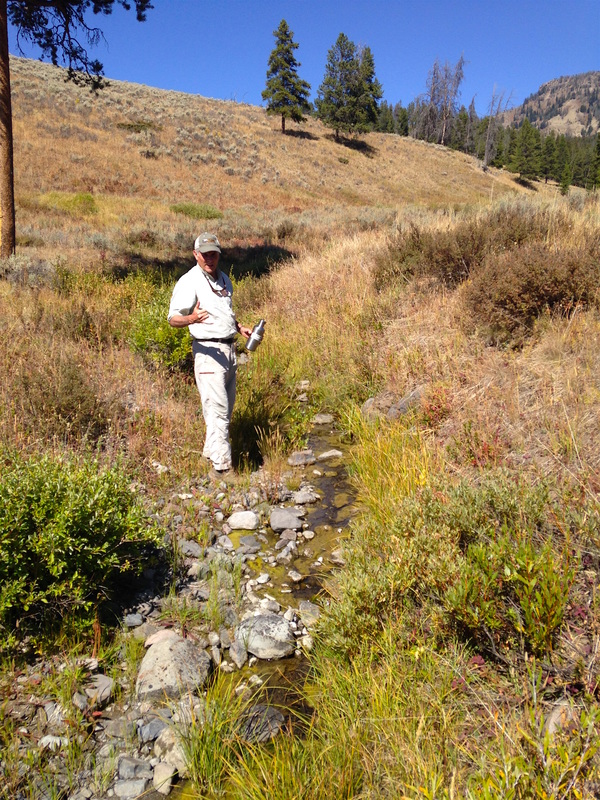
Page Dabney sampling Daly Creek. Photo: Gregg Treinish
|
This year’s adventure crew includes hikers, runners, skiers, boaters and fly fishing fanatics that want to do what they can to help protect the Gallatin River. We were delighted to see several volunteer teams returning from last year to participate in the second year of the program. Whether returning or not, we truly appreciate their hard work. Adventure Scientists operates on the passion and radness of our volunteers, and we’re always stoked to see them out in the field having adventures while gathering scientific data.
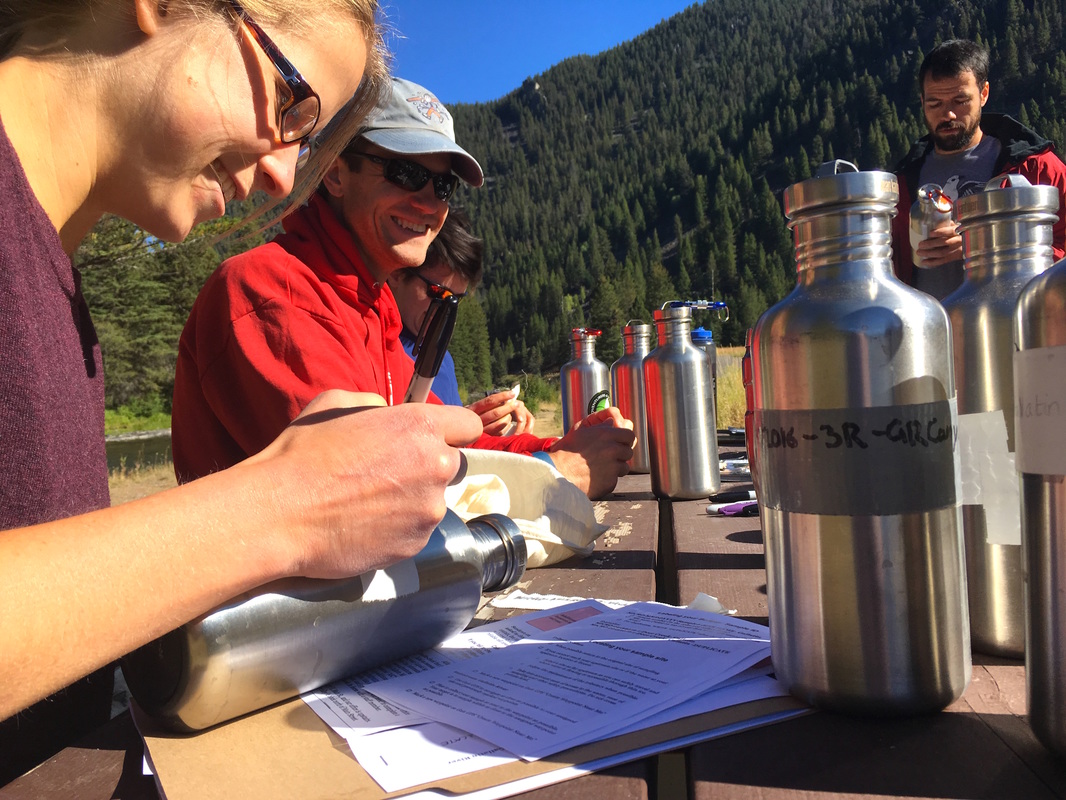
Returning volunteers Abby Lair, Austin Smith, Sue Pellegrini and Lee Warren label sample bottles before heading to their sites. Photo: Jeff Miesbauer
|
Why the Gallatin?
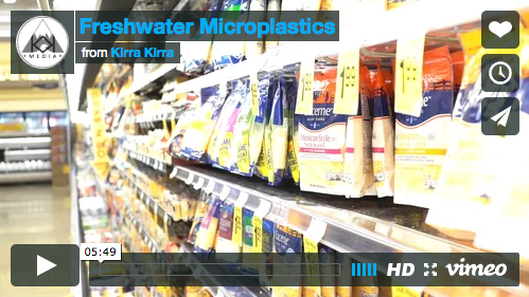
The Gallatin River is the headwaters for the largest river system in the United States: the Missouri-Mississippi. The Gallatin begins in Yellowstone National Park and meets tributaries from other remote mountain locations that have very little human influence. Data from these pristine locations provides an excellent baseline to compare with samples collected downstream from communities, roads and other possible sources of pollution. Despite its relatively pristine condition, last year’s Gallatin study found that around 60% of water samples were polluted with microplastics. Even some of the most remotes sites had microplastics, so it is clear that the problem is more pervasive than originally thought. The overall goal of this study is to provide businesses, government agencies and individuals with the data required to make informed decisions to reduce microplastic pollution in our waterways. For more information on microplastics in the Gallatin River, check out this great video: |
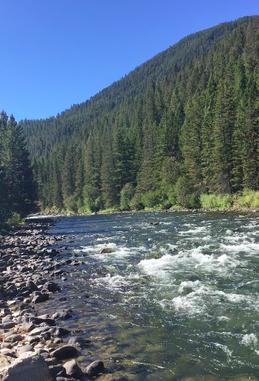
The Gallatin River from Moose Flat Campground. Photo: Jeff Miesbauer
|
Stay tuned for updates on our Gallatin Microplastic Initiative throughout the year as our Adventure Scientists document their adventures in the field.
Learn more about the Gallatin Microplastics Initiative, our Global Microplastics Project and other Adventure Scientists projects by visiting our website, the Landmark Notes blog and by following us on Facebook, Twitter and Instagram.