
A chirp from a rockslide at Mount Rainier pulled the Soltys family into community science with Adventure Scientists. A decade later: published data, two science degrees, and a board seat.
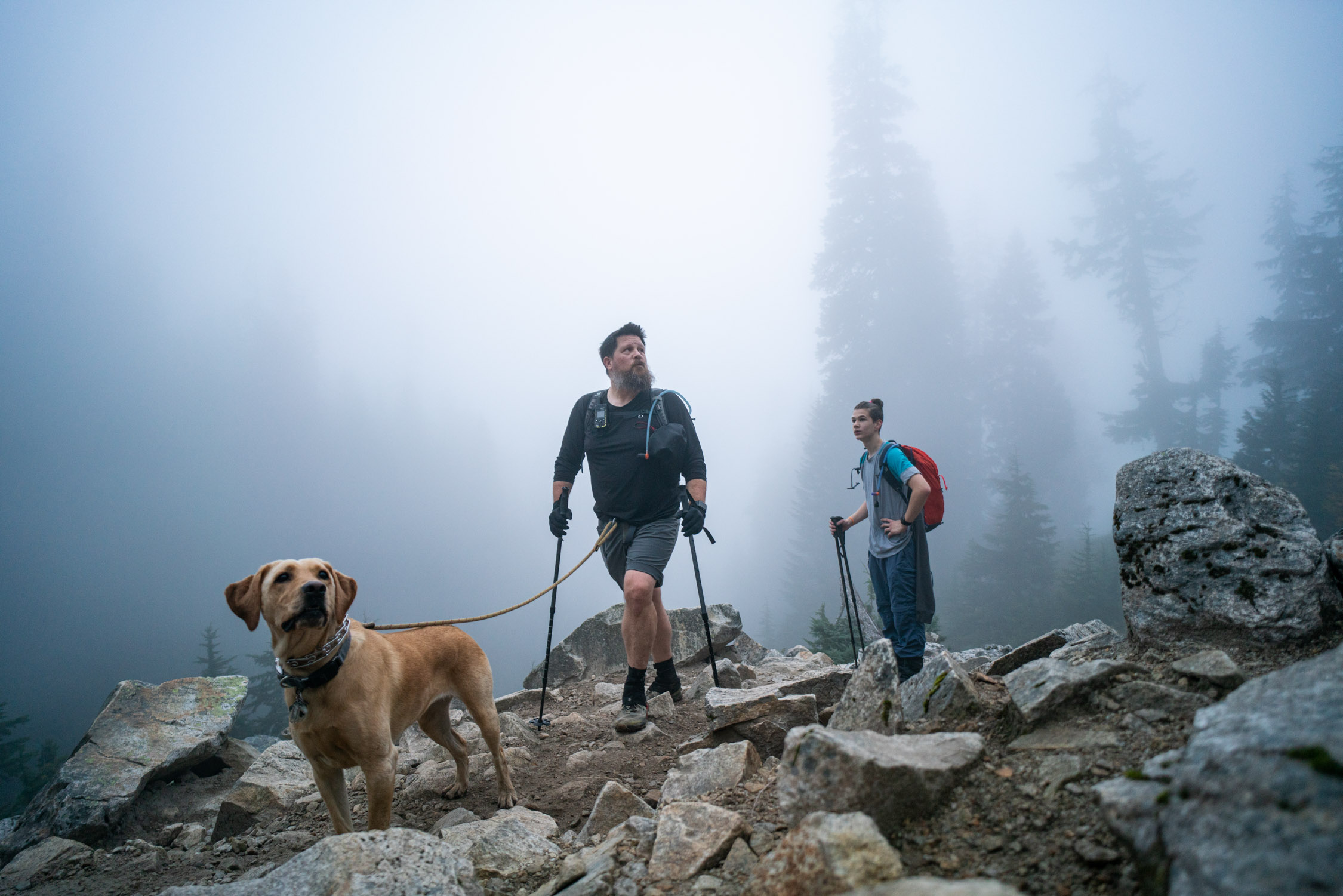
It started with a noise coming from a pile of rocks.
A decade ago, John Soltys took his two children on a backpacking trip to Mount Rainier. Today, those same kids are pursuing careers in environmental science.
Between those moments came thousands of Adventure Scientists volunteer hours, scientific data collected from remote places, and contributions to research that otherwise might never have happened. It all started with a sound coming from a pile of rocks.
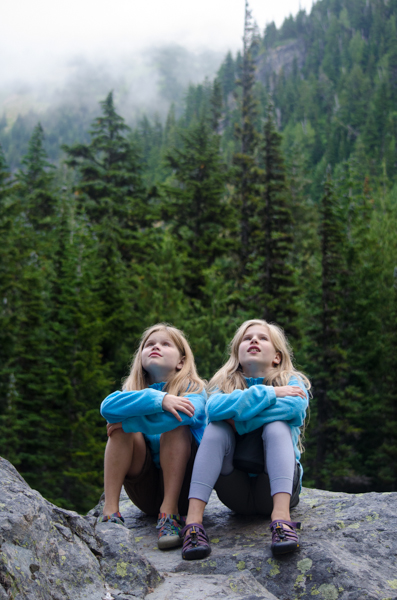
John was three days into a trip in Berkeley Park with his daughters, then 8 and 10, when they heard a chirping noise somewhere in the talus beside camp. Curious, they went looking. What John remembers most is not the animal itself.
“What really amazed me was the fact that my girls would sit there for hours with the cameras, just waiting for a chance to see them.”
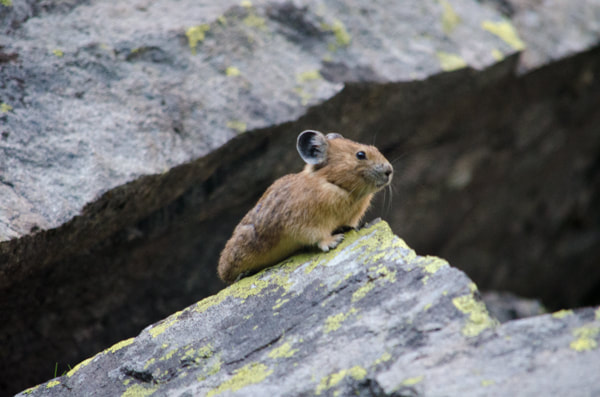 He didn’t know what it was either, so he went home and looked up “fuzzy potato rabbit thing in the mountains,” found iNaturalist, then found Adventure Scientists.
They didn’t know then that a single encounter on a mountain trail would help shape careers, influence conservation research, and become a defining part of their family’s lives.
The Family Impact
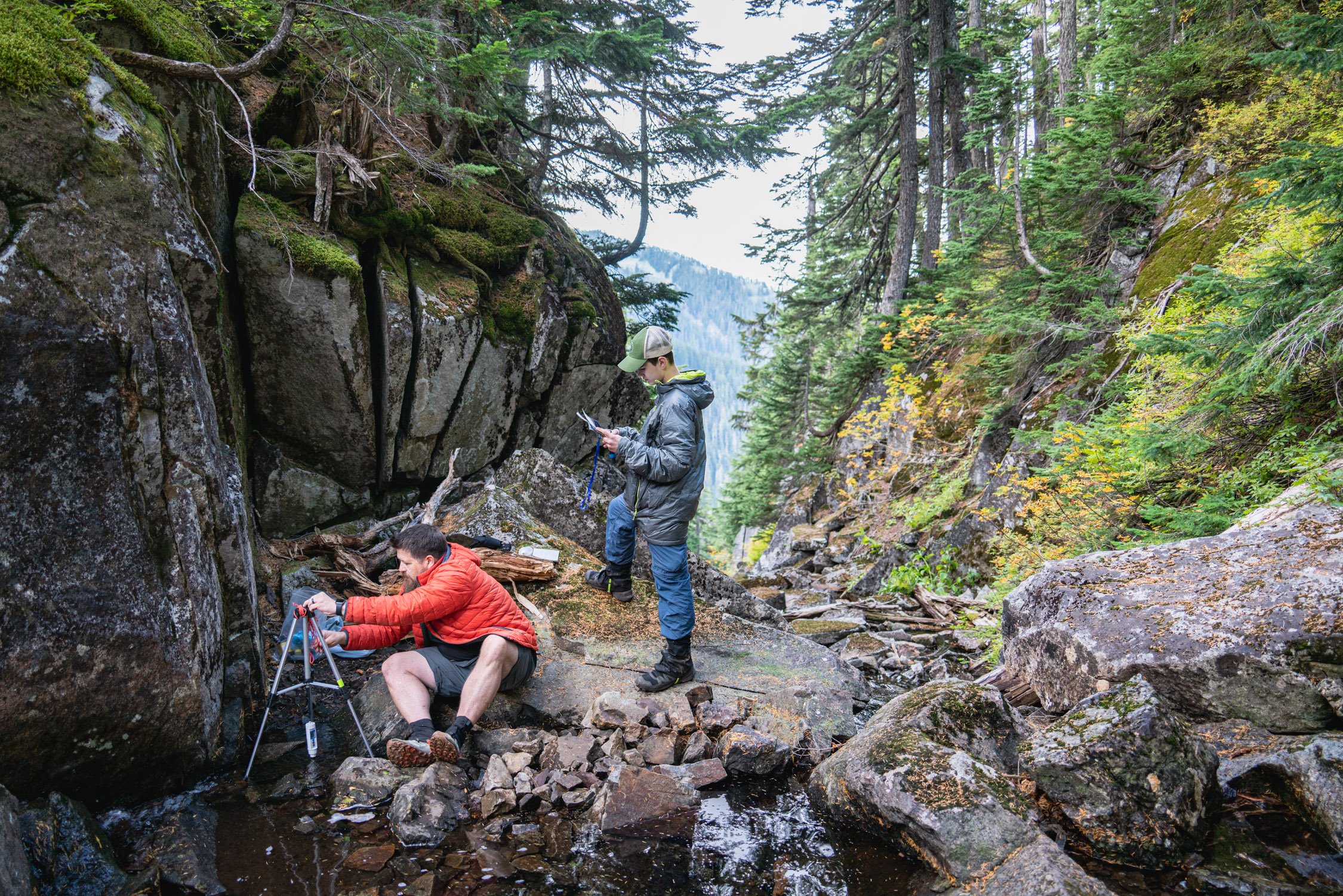
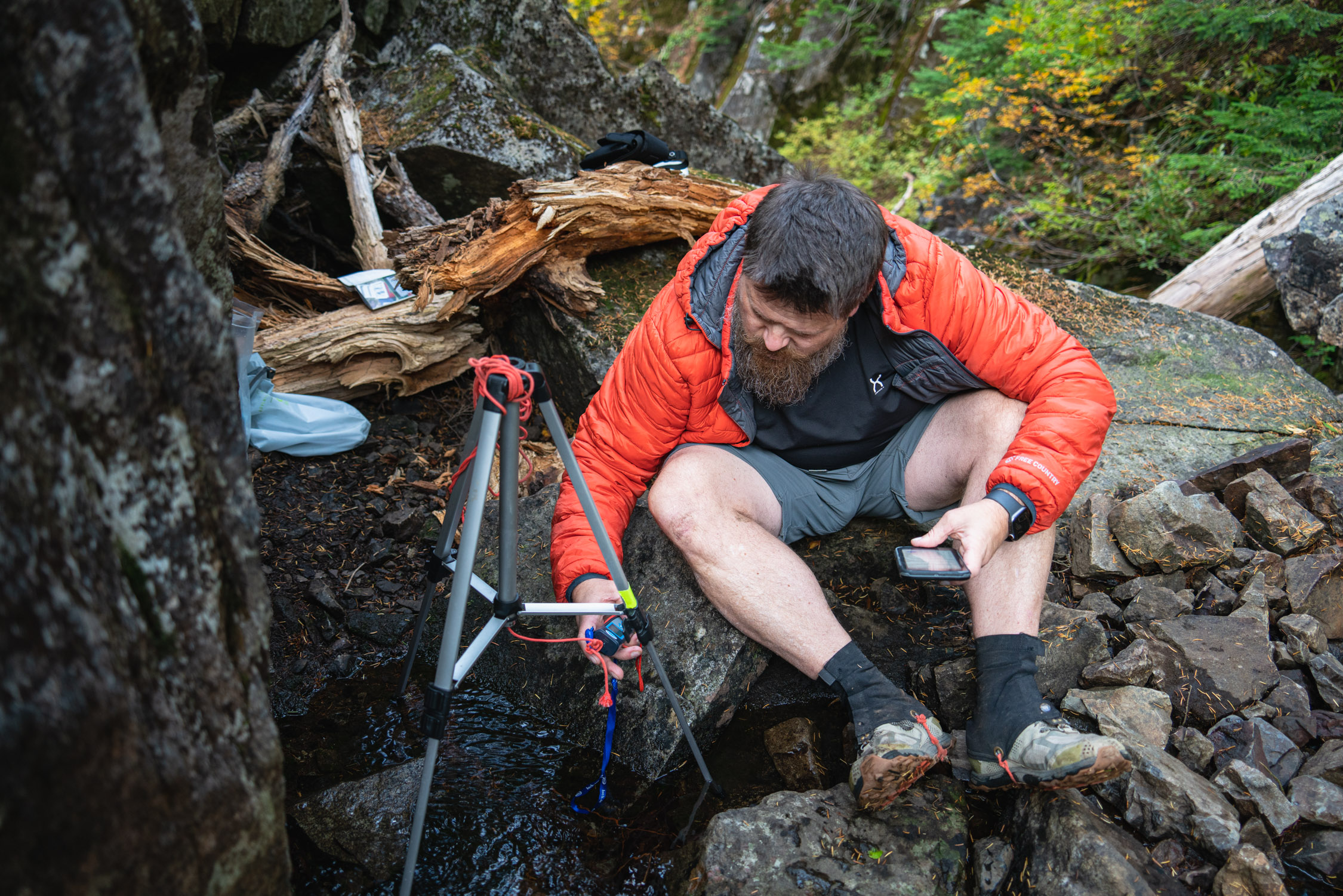
Since then, the Soltyses have worked across a long list of projects: pika monitoring, tree sampling, Wild and Scenic Rivers water quality, Plastic Free Parks, pollinators, diatom sampling in the alpine lakes near their home, and most recently bioacoustic monitoring for Preserving Northwest Forest Biodiversity.
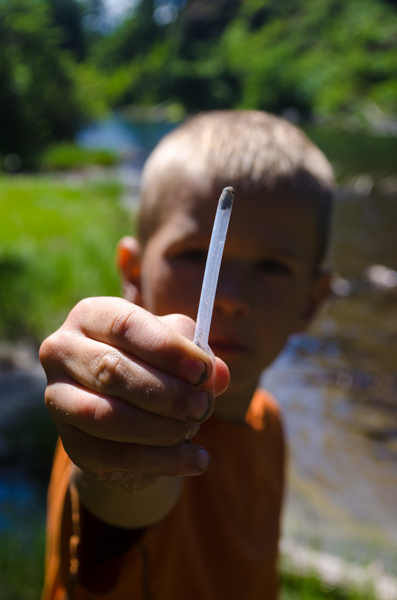
Clara graduated from the University of Washington in environmental science, and Henry is headed there too for wildlife restoration. When asked where his interest in wildlife and conservation came from, Henry shared:
“Some of my earliest memories from being on the trail were going out to rock fields with my father and taking photos of all the pika… it really helped me realize that the world is bigger than just a small little part that I’ve been with.”
Clara points to the range of experiences across different projects:
“It opens up community science to a lot of folks who might not otherwise be able to, which I think is very cool.”
The Scientific Impact
“What he told us was that the data that we were providing… were from places that he would not be able to get to… [and now] he had no need to go and get additional data for the rest of his career.”
That is the entire model in one sentence: the data would not otherwise exist.
Adventure Scientists’ tree programs have significant impact as well. Volunteer samples feed the genetic libraries the U.S. Forest Service uses to trace stolen timber back to the stump, which is the science behind a Washington poacher’s federal prison sentence. Henry remembers when word reached them:
“Your work has actually done something… somebody was stopped from taking more trees because of [us].”
The Compounding Impact
The projects end; the effects don’t. Two of John’s three kids are now pursuing careers in conservation science. Henry wants to be out on multi-day trips tagging and measuring animals, and Clara is moving toward GIS to turn raw collection into something a land manager can act on. John himself now sits on the board of the Cascades Carnivore Project, working on Cascade red fox, wolverines, and Canada lynx in the South Cascades.
It spreads sideways, too. John writes about their trips publicly, and friends have taken up projects of their own. Relatives in Kentucky have picked up work that isn’t available in Washington, and strangers stop them mid-protocol on the trail in Mount Rainier to ask what on earth they’re doing, and get a recommendation and link to collect conservation data too.
Ask John what he gets out of it and he doesn’t reach for anything grand:
“A lot of people that are kind of in this conservation space may feel very frustrated. I like to think that that’s helped move the needle just a little bit from complete despair to maybe a little less complete despair.”
There’s a lot more in their own words: the burn scar they crossed placing recorders, the professional scientist who couldn’t believe what equipment we hand volunteers, and John’s ongoing campaign to get a diatom species named after his family.
Watch the Soltys family tell it → (20 min + 10 min Q&A)