
TREE TRACKING & FOREST CONSERVATION
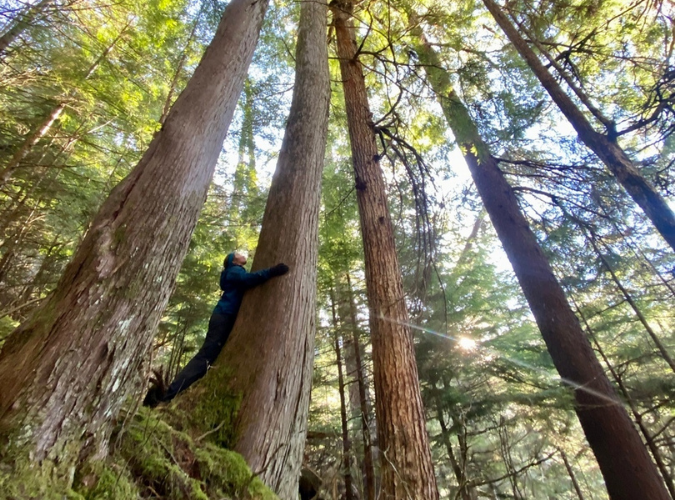
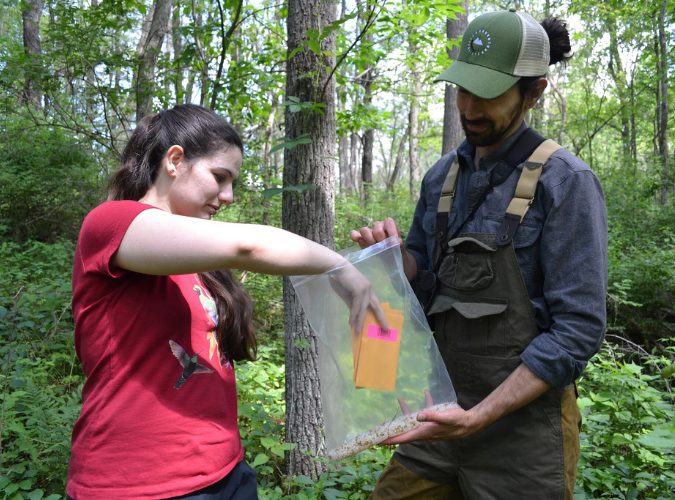
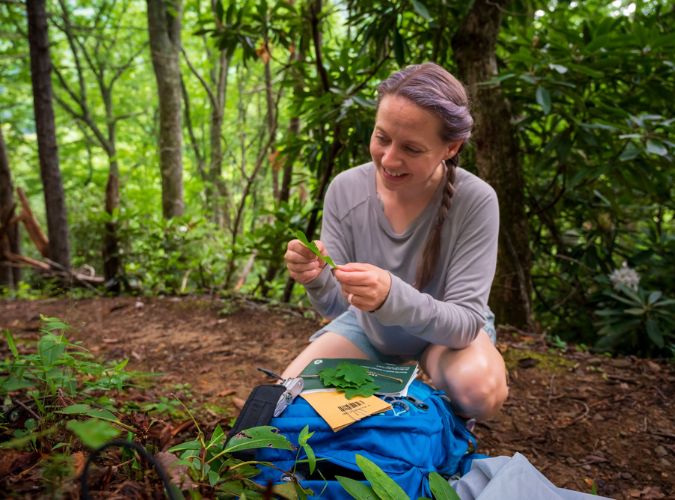
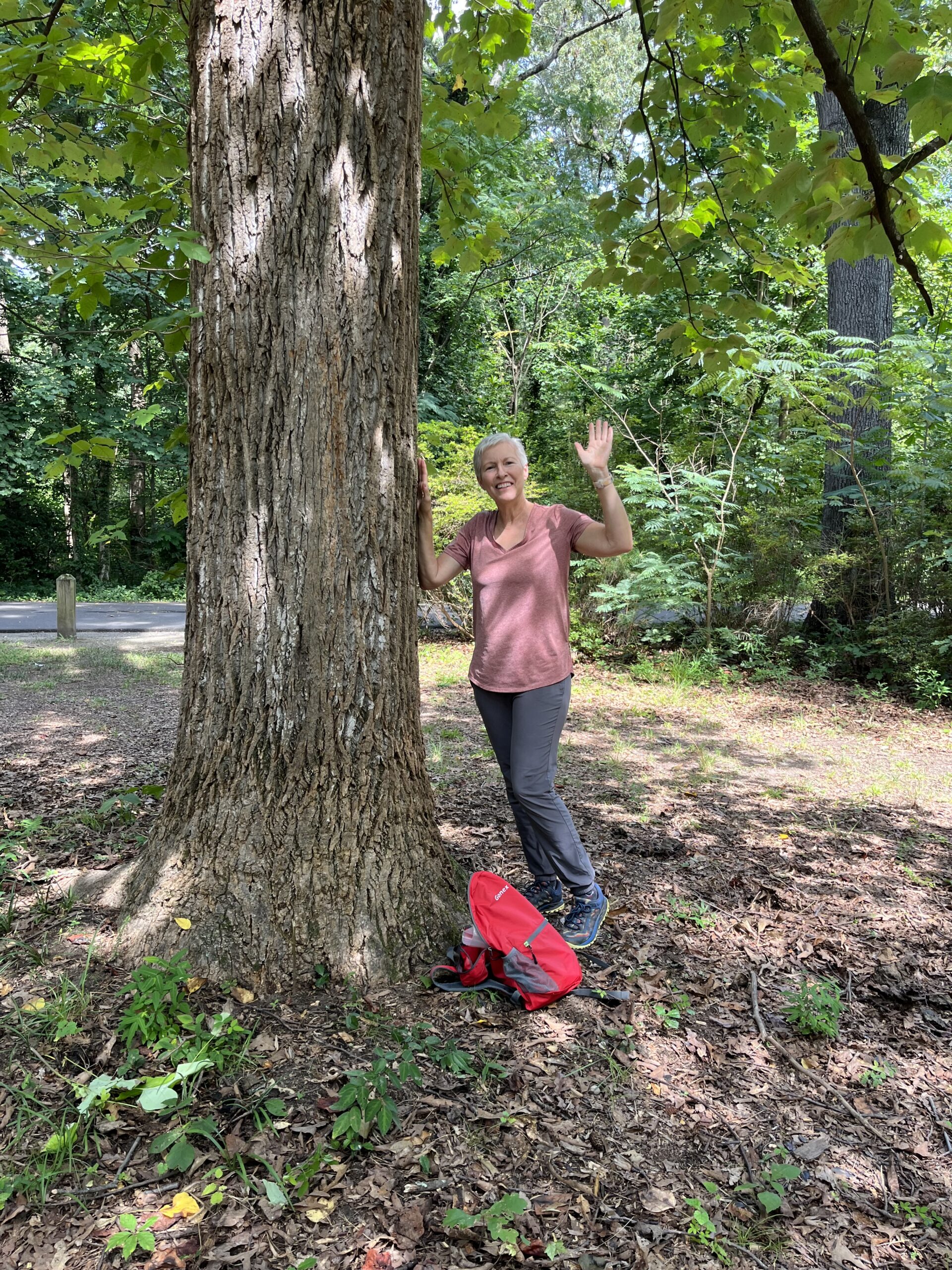
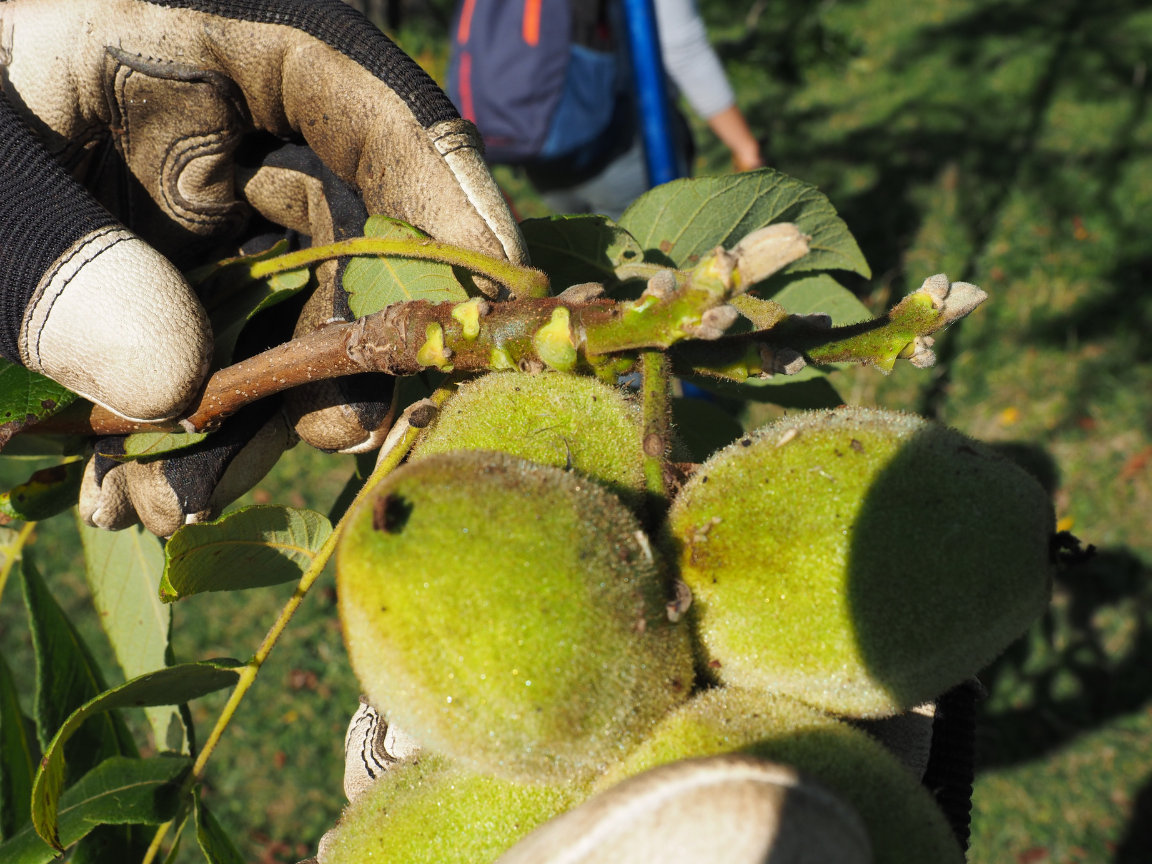
Adventure Scientists’ Tree Tracking & Forest Conservation program mobilizes volunteers to collect tree samples for scientific partners to help protect forests, promote sustainable harvest, and conserve biodiversity. From whitebark pine and eastern hemlock to butternut, beech, ash, and redwood, volunteers help scientists protect forests, restore threatened species, combat disease, and improve climate resilience.
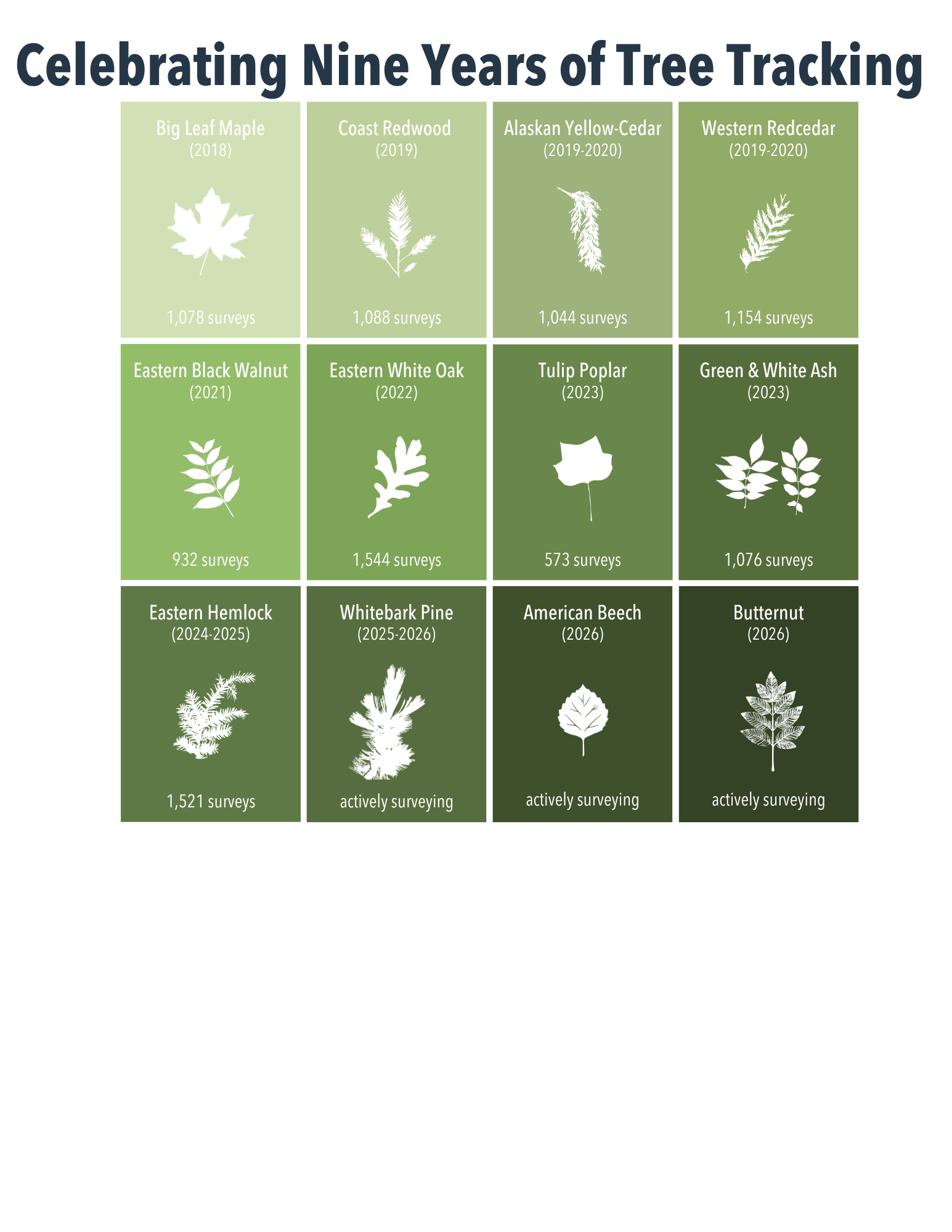
Twelve Species Throughout the United States
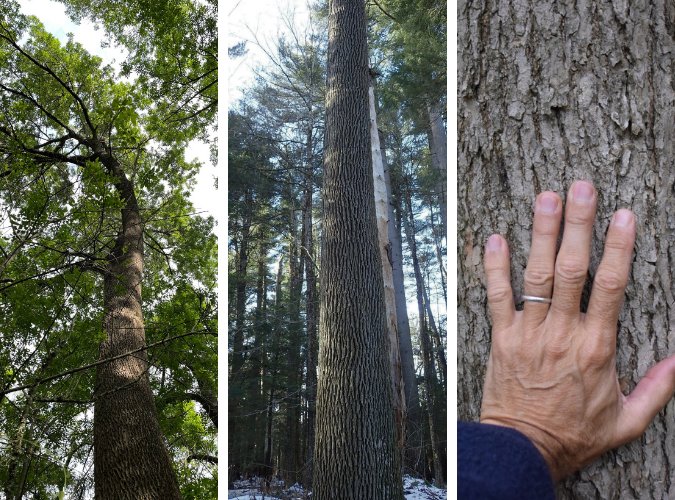
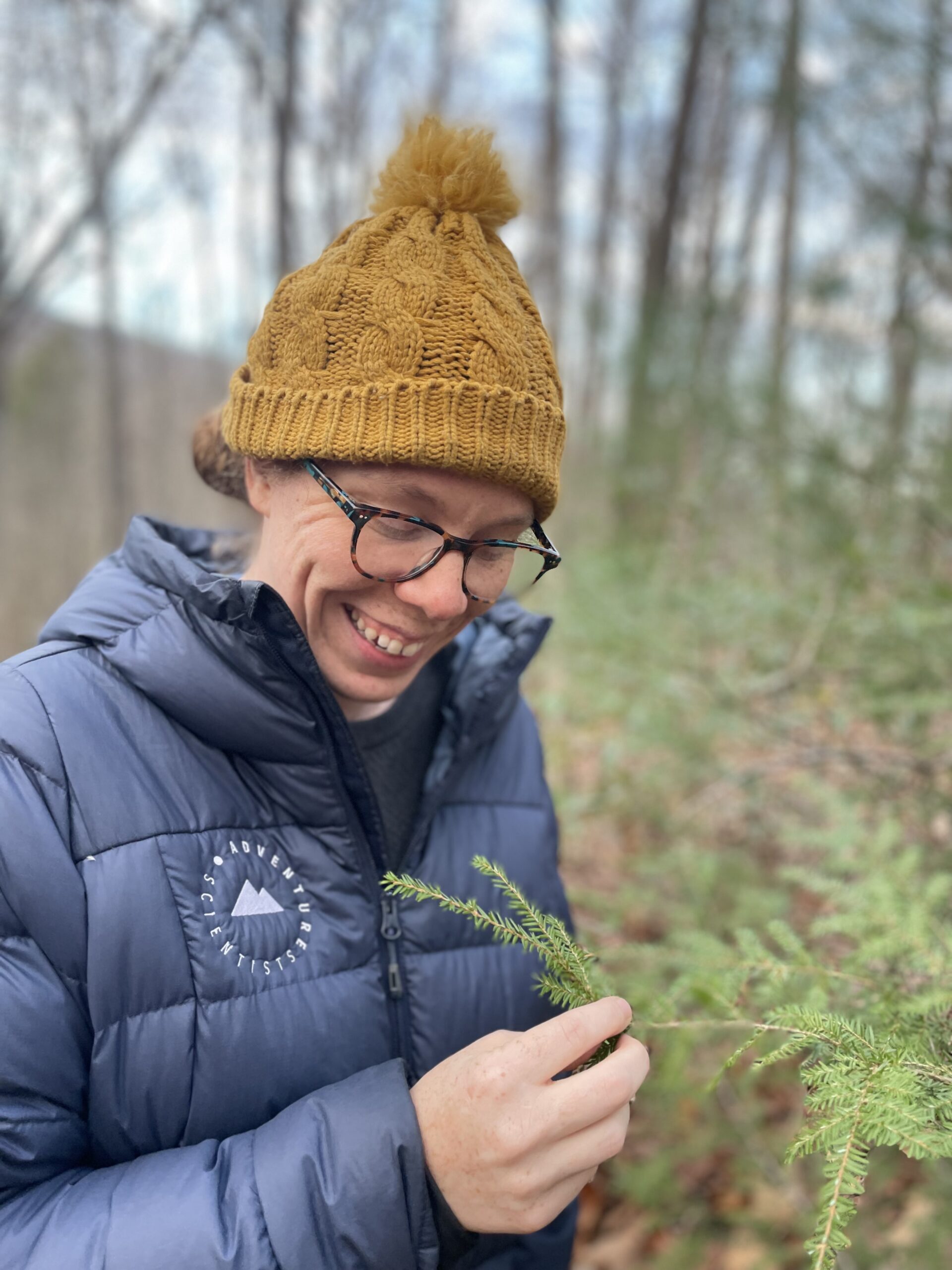
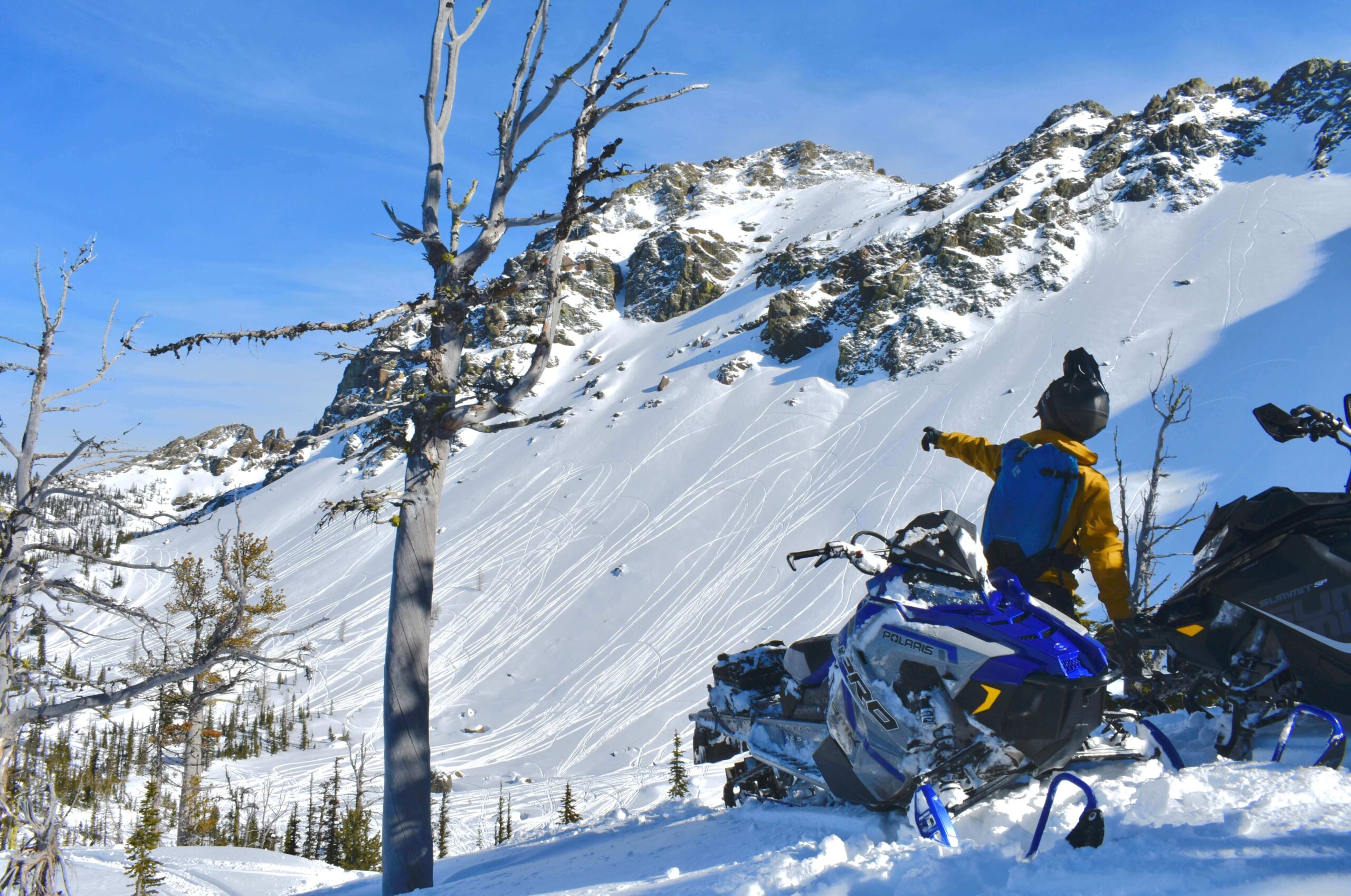
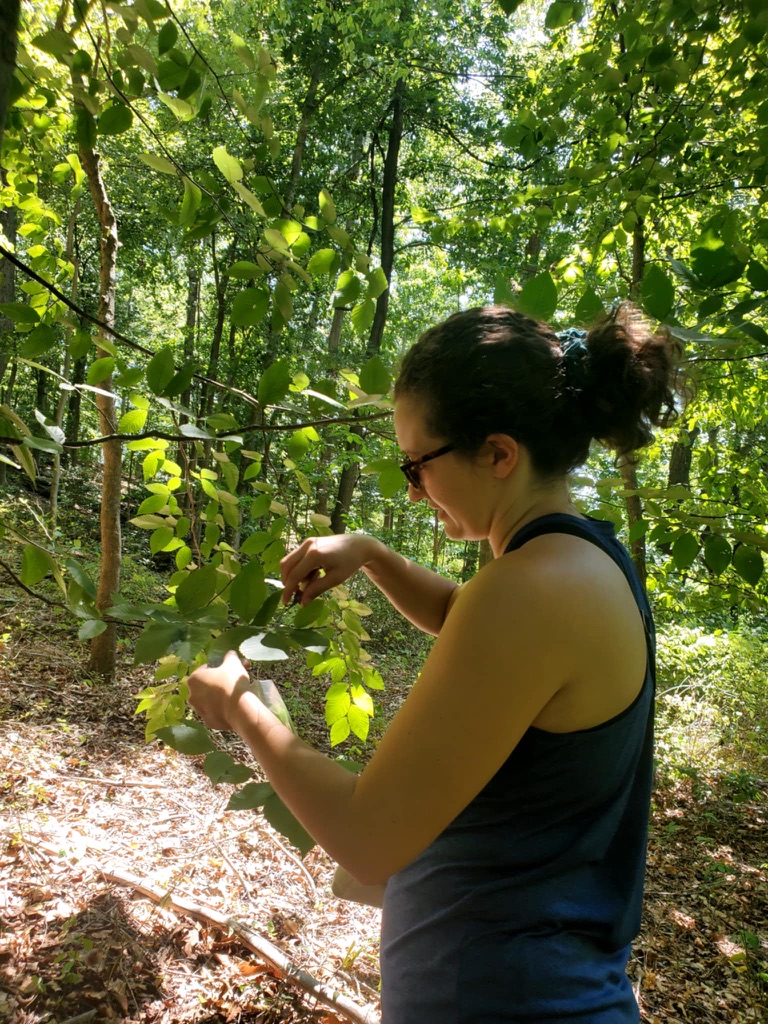
Read about the tree species targeted by this project so far (slideshow automatically plays).
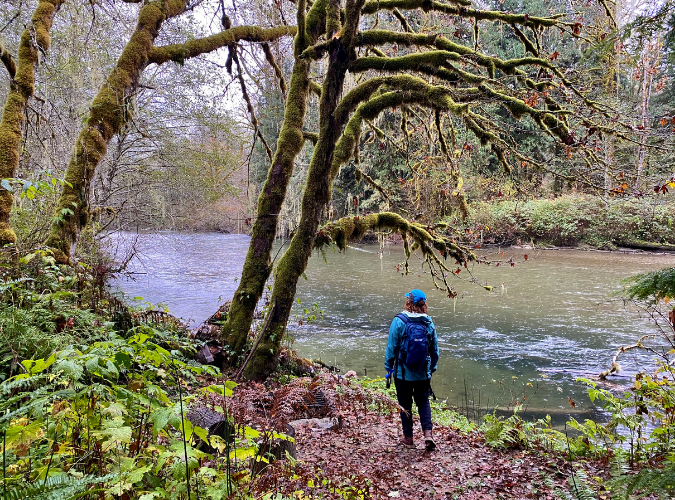
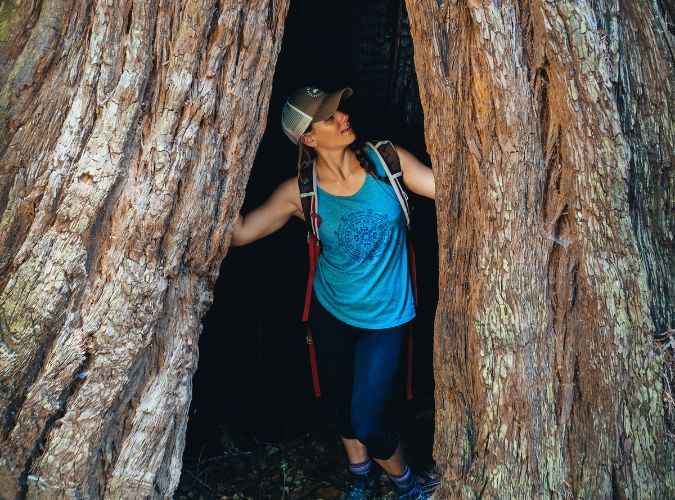
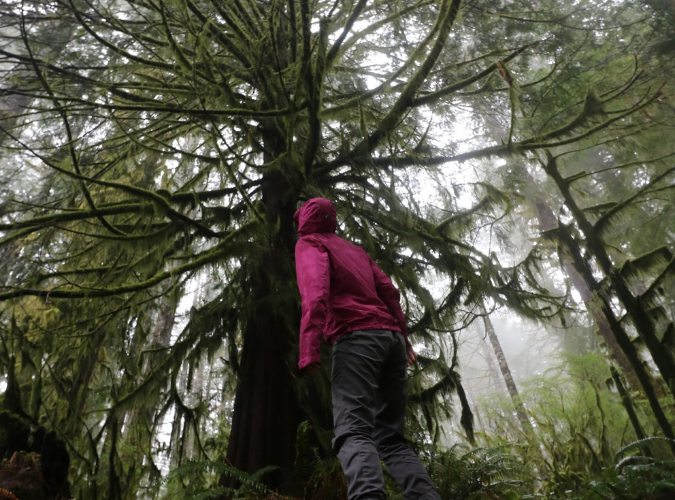
How Our Partners Use Tree Tracking Data to Drive Change
Planning, permitting, analysis, interpretation, and implementation all require the coordinated actions of many players. We are proud to be working with leading organizations in the research, management, and conservation of forests and tree species.
Our partners at the U.S. Forest Service and elsewhere will use the reference libraries of each tree species to track the movement of timber through supply chains, enforce anti-poaching regulations, empower responsible buyers, improve sustainable resource management, and help forest managers plan for the varied impacts of a changing climate.




The USA National Phenology Network collaborated with us for the eastern white oak project. The project protocols for eastern white oak data collection are based in part on the USA-NPN’s protocols aimed to understand how oaks are adapting to new environmental conditions. These data are a part of the Quercus Quest Campaign.

The Morton Arboretum is using samples gathered across the eastern white oak range to build tools useful in conserving native oak communities. By analyzing leafs collected by our volunteers, the researchers will train algorithms to identify the unique light wavelengths that oak leaves reflect. This technique will allow land managers to more accurately assess oak populations using remote imaging.

The Schatz Center for Tree Molecular Genetics is working to find solutions to the invasive emerald ash borer (EAB). Ash tree samples from our volunteers will be aid work to preserve, conserve, and restore iconic ash tree species. Samples from this project will provide much needed information on evolutionary and ecological factors influencing ash species’ genetic variation range wide, and enhance understanding of EAB-ash dynamics and the genetics of resistance.

Holden Forests & Gardens in partnership with Adventure Scientists, coordinated a collaboration of many organizations and stakeholders for eastern hemlock conservation. The Nature Conservancy, NC State University, the Hemlock Restoration Initiative, the Forest Restoration Alliance, the University of Tennessee Knoxville, Cornell University, and the Great Lakes Basin Forest Health Collaborative are other partners working on this widespread collaboration.

The Whitebark Pine Ecosystem Foundation (WPEF) will host a whitebark pine restoration data hub that makes data accessible across government agencies to improve conservation and management practices of whitebark pine trees. The purpose of the project is to provide the necessary data to accurately identify individual whitebark pine trees and ground truth NASA satellite data to build a database of whitebark pine locations/spectral signatures for effective management.
The Science of Tree Tracking
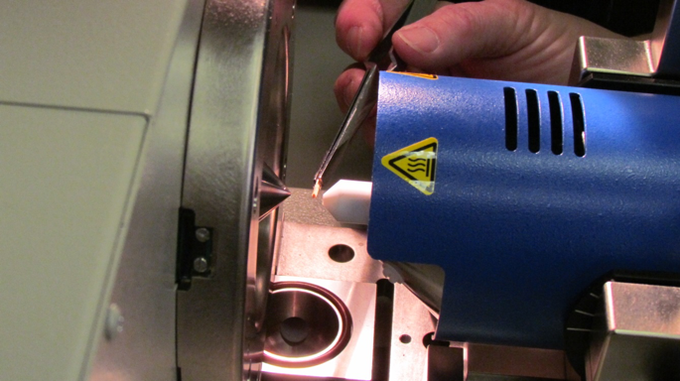
Once collected, samples undergo two forms of processing: Mass Spectrometry-Data Analysis in Real Time (MS-DART or DART) and genetic analysis.
DART reveals distinct chemical signatures in each sample. As the tree takes up water and nutrients through its roots throughout its life, it develops a distinctive chemical signature. Recognizing these signatures will allows us to identify the geographic origin of a sample.
Genetic analysis reveals the naturally occurring variation and interrelatedness of all trees within a species. Like the DART analysis, genetic analysis shows the origin of a piece of timber. This analysis also informs scientists’ understanding of how a species responds and adapts to particular conditions or challenges, such as climate change or pressure from an invasive species. This understanding allows for better management of existing and expanding forests. The resulting database will yield a “family tree” like no other.
Hear what our Forest Service partners have to say about the Tree Tracking Project!
Dr. Richard Cronn, a geneticist with the US Forest Service, shares with volunteers how they help build some of the most extensive and useful genetic datasets for the tree species in this project.
Keep up with Tree Tracking Project Progress
Here’s where volunteers have collected data for the project over the years.
Timber & Tree Tracking Project on PBS
Get a firsthand view of our Timber / Tree Tracking project from the forest to the forensics lab in this 12-minute film featuring our scientific partners and volunteers from Earth Focus: Season 2, Episode 3 on PBS
Learn More Through Our Tree Tracking Project Reports
Adventure Scientists volunteers have helped collect data on more than a dozen tree species across North America, supporting research on illegal logging prevention, biodiversity conservation, disease resistance, climate adaptation, and forest restoration. These efforts help scientists, land managers, universities, and government agencies make better decisions for the future of our forests.
American Beech & Butternut Trees
Whitebark Pine
Eastern Hemlock
Tulip Poplar
Green and White Ash
Eastern White Oak
Eastern Black Walnut
Redwood, Western Redcedar, Alaska Yellow-Cedar
Bigleaf Maple