
With Adventure Scientists, local communities in Latin America are building one of the largest coordinated coral reef monitoring networks in the world. With more than 2,300 reef censuses completed across Colombia, Costa Rica, Honduras, and Mexico, this effort is generating the data needed to guide the future of reef conservation, and it’s not because of teams of researchers; it’s because of the locals.
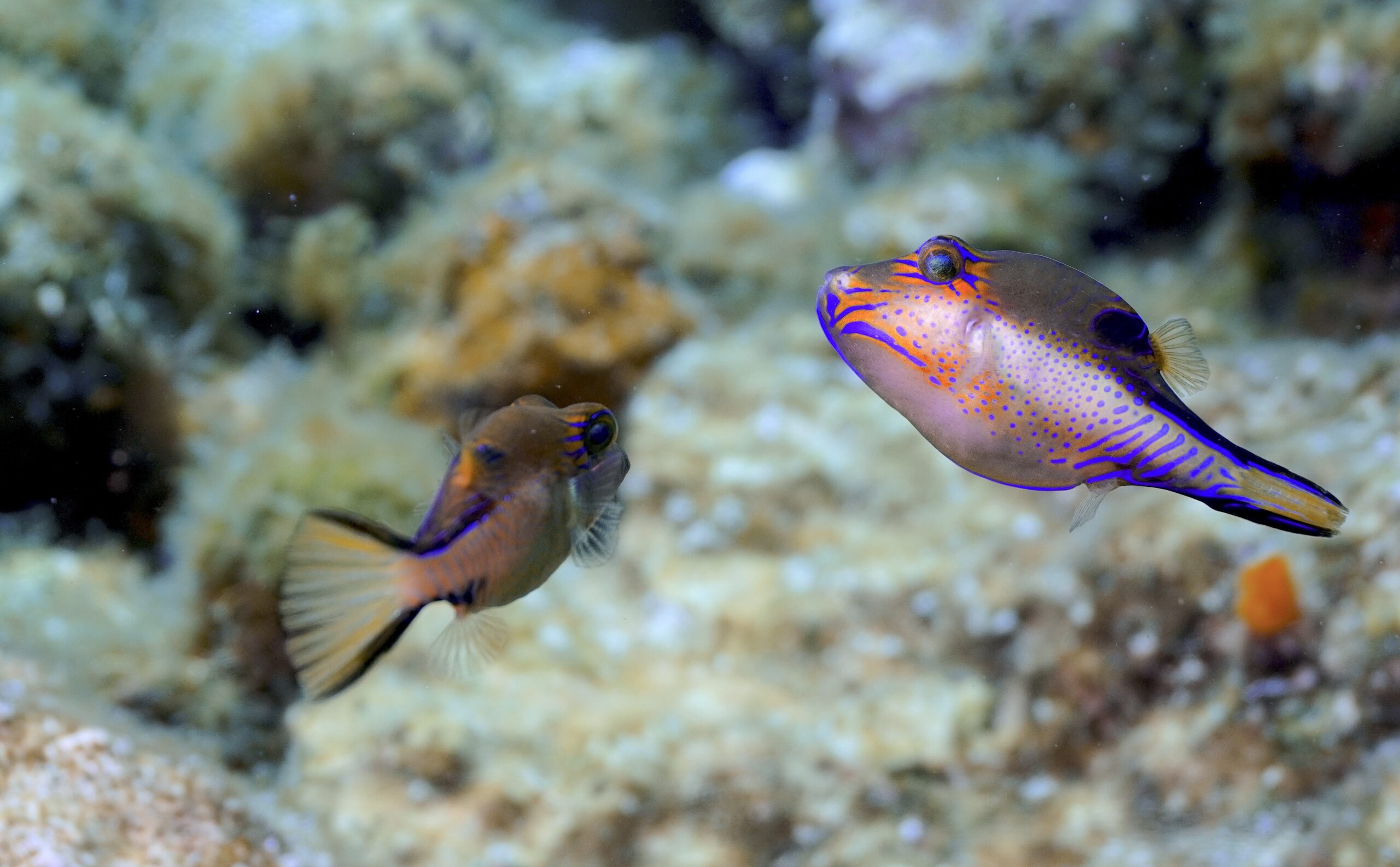
Coral reefs cover less than 1% of the ocean floor, yet they support roughly a quarter of all marine life. They help protect coastlines from storms, support local economies, and provide food and livelihoods for millions of people.
But coral reefs are under growing pressure from warming oceans, coral disease, pollution, and habitat degradation. Protecting coral reefs starts with understanding what’s happening beneath the surface, and that requires data.
In an international effort that is bringing together local communities, scientists, conservation organizations, and marine managers across Latin America, Adventure Scientists is building one of the largest coordinated coral reef monitoring networks in the region. Since launching in August 2025, the project has already completed over 2,000 reef monitoring censuses – a specific scientific survey method – across more than 150 reef sites in Colombia, Costa Rica, Honduras, and Mexico.

Why Coral Reefs Matter Across Latin America, and Why Monitoring is Critical for Conservation
Coral reefs are often called the rainforests of the sea, and for good reason! Although they cover only 0.2% of the ocean floor, they support roughly 25% of all marine species, including critically endangered elkhorn coral, endangered giant manta rays, endangered whale sharks, critically endangered hawksbill sea turtles, green sea turtles, nurse sharks, spotted eagle rays, parrotfish, groupers, snappers, sea cucumbers, spiny lobsters, and hundreds of other marine species. Healthy reefs create the complex underwater structures that these animals need to survive. When reefs decline, entire ecosystems can be affected.
Their economic importance is equally significant. Globally, coral reef ecosystems contribute trillions of dollars in ecosystem services. Reef-related tourism alone generates billions of dollars annually while supporting coastal jobs and livelihoods around the world.
Coral reefs also play an important role in scientific and medical research. Marine organisms found on reefs have helped advance treatments for cancer, chronic pain, inflammation, bacterial infections, and cardiovascular disease. Scientists continue to study reef organisms in search of new medicines, making coral reefs not only biodiversity hotspots but also valuable reservoirs of biological innovation.
Understanding which reefs are thriving, which are declining, and which show signs of resilience helps scientists, conservation organizations, marine protected area managers, and governments make informed decisions about where conservation efforts can have the greatest impact.

The data collected through this project can help:
- Identify resilient reef systems
- Improve marine protected area management
- Support coral reef restoration efforts
- Track climate-related impacts
- Inform future conservation investments
- Strengthen international collaboration
- Empower communities to lead conservation efforts
By creating a truly ground-breaking, collaborative, community-powered coral monitoring and restoration effort, we’re building the foundation for more coordinated coral reef conservation across the world.
Building the First Standardized Monitoring Network Across Two Marine Corridors
Understanding coral reefs at scale hasn’t been easy. For years, coral reef monitoring programs have often operated independently from one another. Different organizations collect data using different methods, making it difficult to compare reef health across countries and regions.
While many coral reef research efforts remain isolated, this project has created something truly groundbreaking. We’ve set in motion one of the most collaborative coral reef conservation efforts in the world.
The Coral Reef Monitoring Project uses standardized monitoring protocols, bilingual training resources, and a custom-built mobile data collection platform to create reliable, comparable reef health data across multiple countries and regions.
The result is a shared framework that allows scientists, marine protected area managers, and conservation organizations to better understand reef conditions across two globally important marine regions:
- The Mesoamerican Reef Corridor in the Caribbean, the second-largest barrier reef system in the world
- The Eastern Tropical Pacific Marine Corridor (CMAR) in the Pacific
By creating a common monitoring approach, conservation leaders can identify trends, share knowledge, and make more informed decisions about how to protect coral reefs across national boundaries.
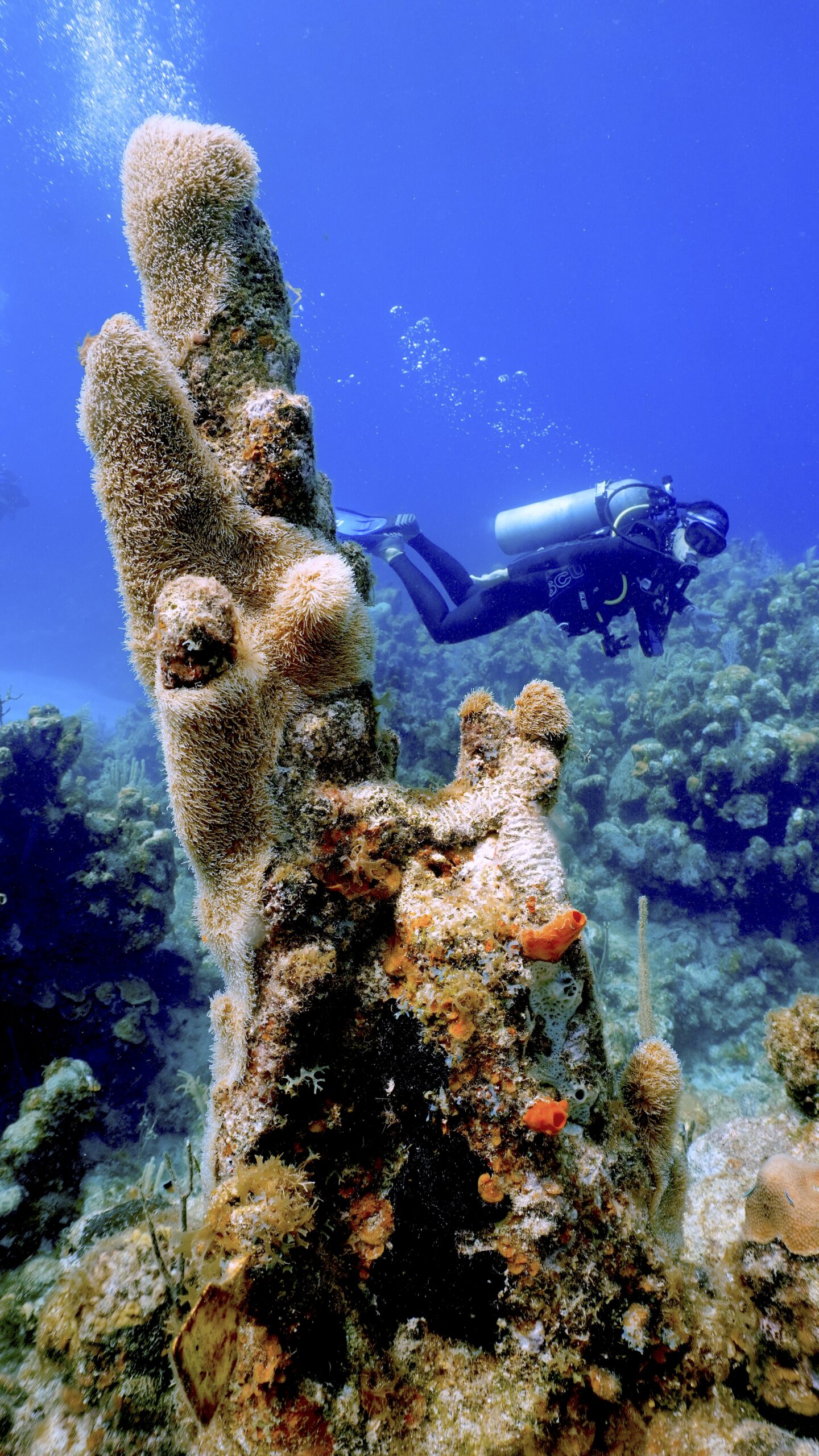
Community-Led Conservation
At the heart of this project is a simple idea: the people closest to reefs are best equipped to protect them.
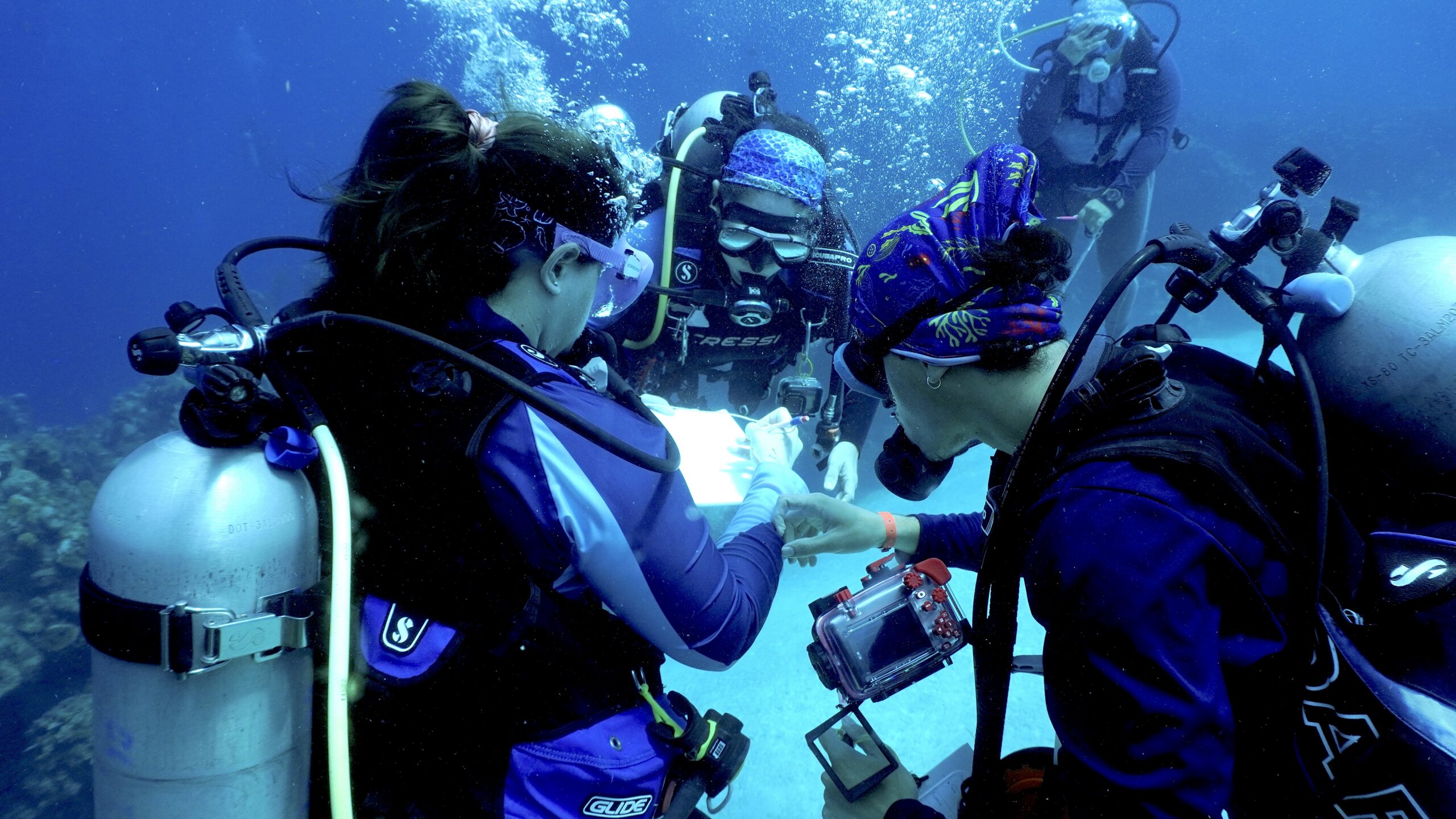
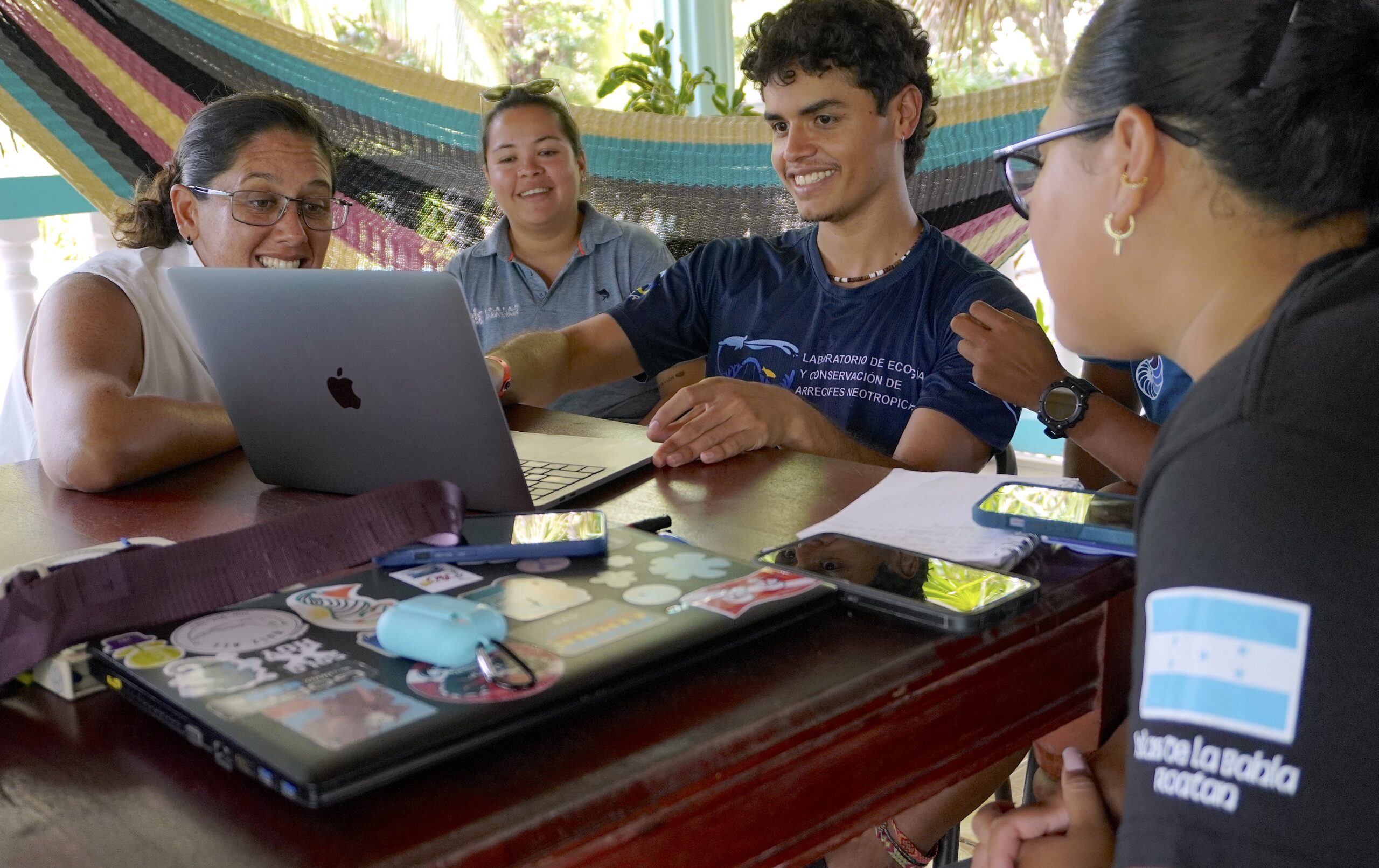
Rather than bringing in outside researchers to do the work, Adventure Scientists invests in the local community, providing the resources, equipment, and complex scientific protocol training needed to lead reef monitoring efforts in their own communities. The result is remarkable: four countries mobilizing hundreds of people to collect data across a scale that research teams in Latin America could not achieve on their own.
“I was a huge Michael Jackson fan. When he sang Heal the World, I was like, “Wow, I want somebody to save the world, to do something to make it a better place.” I have had that idea since I was a little girl. Five years down the road, I hope I am one of those people who actually can say I am about to make a change… to save the corals.” -Katharina B., Mexico volunteer
To date, more than 100 volunteers have been trained, more than 60 are actively participating in monitoring efforts, and over 50 community members have received direct financial support through roles ranging from coordination and monitoring to transportation and media production.
This model helps build long-term conservation capacity while ensuring that reef monitoring efforts remain rooted in the communities that depend on healthy oceans every day.
“Personally, I absolutely love diving, and being able to combine it with science, coral health monitoring, and restoration has been an incredible and inspiring experience—one that I believe is essential for future conservation efforts.” Katharina, B
Now that she has realized her dream of becoming a marine biologist, Katharina is continuing her education by starting a masters program in Saudi Arabia that will study coral reefs in the Red Sea. Her optimism is apparent in her diving deeper into a new program, in a new country, in a part of the world she has never seen.

What Over 2,300 Reef Censuses Are Revealing About Coral Reef Health
The monitoring effort is already generating valuable insights about reef ecosystems across Latin America.
Teams are documenting:
-
-
- Coral bleaching impacts
- Coral disease outbreaks
- Reef biodiversity trends
- Coral reef restoration outcomes
- Climate resilience indicators
- Fish populations and ecosystem health
-
This information provides a critical baseline for understanding how reefs are changing over time and helps conservation organizations evaluate whether management and restoration efforts are working.
The project also supports active coral reef restoration initiatives and disease intervention programs by providing consistent monitoring data that can be used to measure outcomes.
For marine protected area managers and government agencies, access to reliable long-term data helps support evidence-based conservation planning and decision-making.
Signs of Reef Resilience Are Emerging
Despite the challenges, the data is revealing something equally important: resilience. Across Latin America, teams are documenting reefs that continue to survive — and in some cases, recover.
-
- In Costa Rica, Adventure Scientists’ project teams documented one of the few remaining large formations of critically endangered Elkhorn Coral (Acropora palmata) in the Caribbean. Despite recent bleaching events, the reef demonstrated remarkable resilience, highlighting the importance of protecting climate-resistant coral populations.
- In Colombia, monitoring efforts are helping evaluate innovative restoration sites where probiotic treatments are being tested to combat coral disease.
- In Honduras, divers documented healthy reef communities alongside sea turtles, nurse sharks, and spotted eagle rays – evidence that some reef systems continue to support extraordinary biodiversity.
- And in Mexico, many participants joined the project with little or no prior reef monitoring experience and quickly developed advanced skills in reef assessment and ecological data collection.
Each story points to the same conclusion: conservation field work can be incredibly impactful when local communities, science, and long-term commitment come together.
Expanding Reef Monitoring Across Latin America’s Most Important Marine Ecosystems
The long-term vision extends far beyond four countries.
In 2026 and 2027, coral reef monitoring and conservation efforts are expanding into the Galapagoes Islands, Continental Ecuadar, and Costa Rico Pacific.
Adventure Scientists and its partners are building a lasting network of trained community scientists, conservation practitioners, and marine leaders who can continue monitoring reef ecosystems for years to come.
Future temporal and geographical expansion could bring monitoring efforts to additional marine protected areas across the ocean, further strengthening collaboration and conservation impact.
