
Help Protect Forest Health With Your Outdoor Adventures
Trees may be common, but healthy trees are becoming increasingly rare.
Healthy, diverse forests support wildlife, clean water, climate resilience, and provide a refuge for you to hike, bike, and explore. But forests across the United States are under increasing stress from disease and a changing climate, quietly reducing forest resilience.
Finding healthy, resistant trees now is critical for future forests and can only happen at scale with outdoor volunteers like you.
Join Adventure Scientists to help guide reforestation efforts and protect your forests for generations to come.
Forest Health Conservation Projects You Can Volunteer For:
Saving American Beech
Help save American beech while exploring outdoors
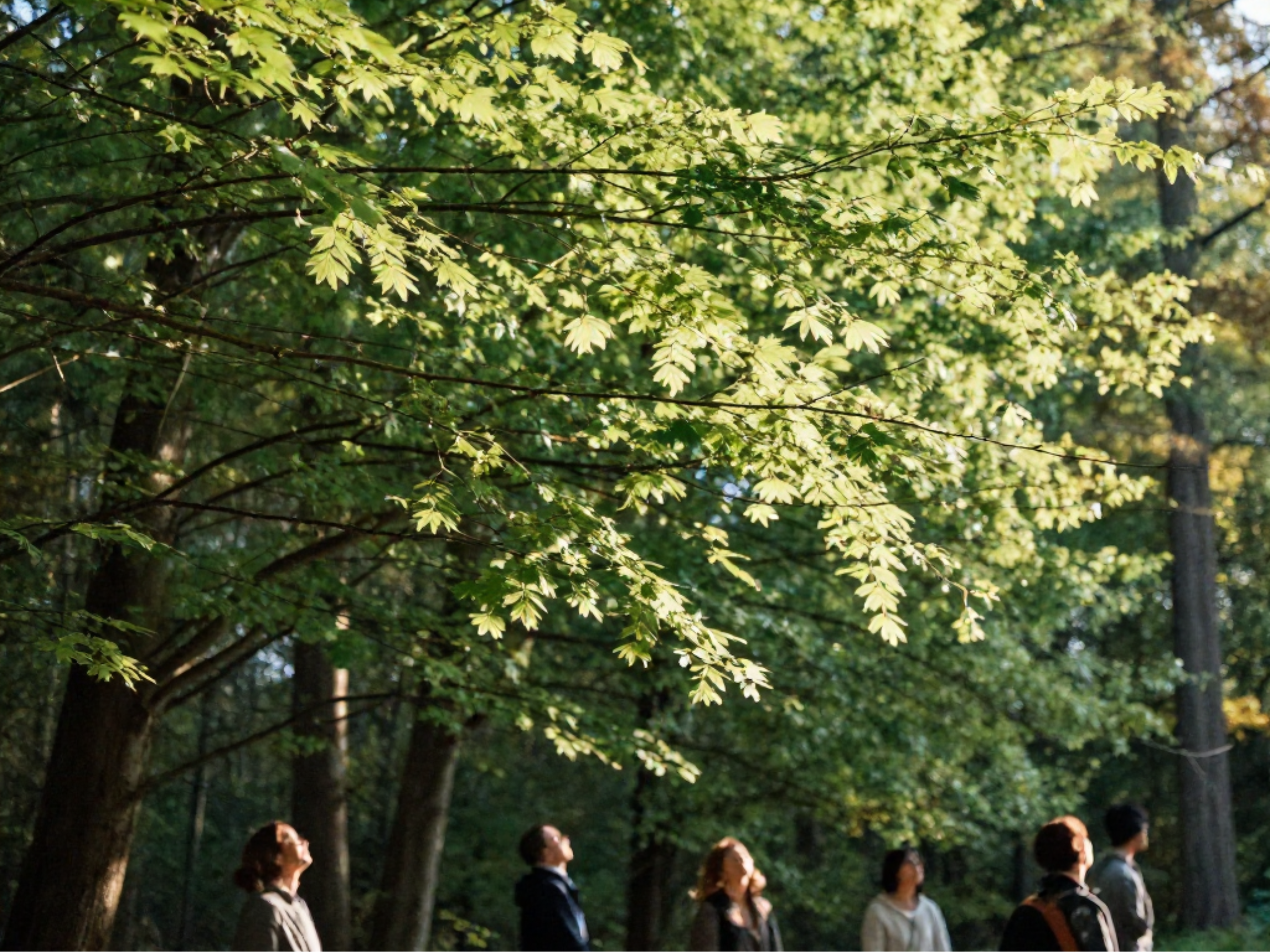
American beech is a common and recognizable tree that supports diverse wildlife and stabilizes forest ecosystems. Though abundant, healthy beech trees are becoming increasingly rare. Fast-spreading beech bark and beech leaf diseases place intense stress on a tree that forests depend on.
Volunteers help researchers identify healthy, potentially disease-resistant beech trees that could shape the future of these forests.
Good fit if:
- You enjoy hiking, biking, or exploring forests
- You want an accessible, high‑impact project
- You live or recreate in AL, AR, FL, IN, GA, KY, LA, MI, MS, PA, SC, TN, east TX, eastern WI, and WV.
Restoring Rare Butternut Trees
Help restore a rare forest tree on your adventures
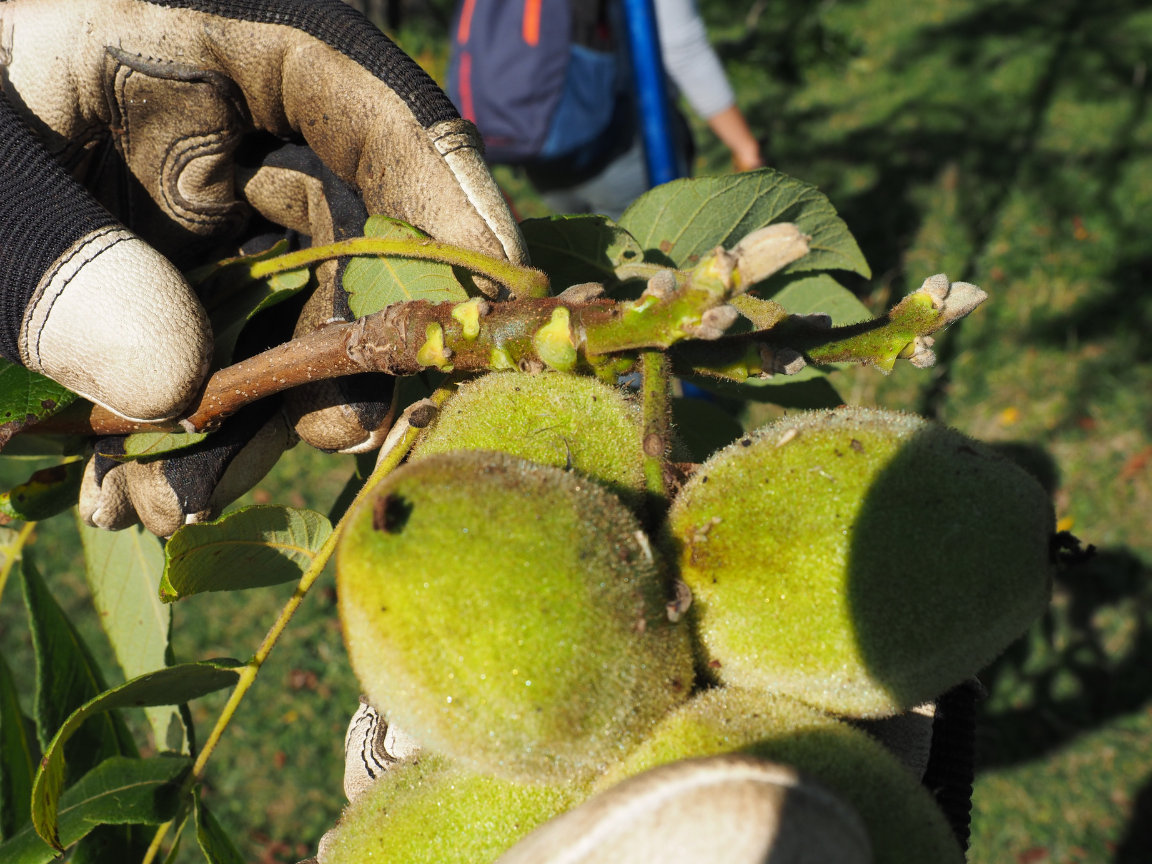
Butternut trees are a naturally rare species that support wildlife and contribute to ecosystem diversity, but populations have declined drastically due to a lethal disease: butternut canker. Today, only a small number of surviving trees remain, and finding them is critical to restoring the species.
Volunteers help locate and document rare butternut trees that may hold the genetic key to recovery.
Good fit if you:
- Enjoy searching for rare or hard‑to‑find species
- Are comfortable exploring rocky and/or wet areas
- Live in or travel through priority regions
- You live or recreate in AL, AR, IN, KY, MI, MO, NC, OH, PA, TN, WI, and WV.
Support Conservation Science
Not able to volunteer right now? You can still support conservation in the US and across the planet!
Donations to Adventure Scientists help fund volunteer training and support, field equipment, scientific oversight, and partnerships that make large-scale conservation data collection possible.
Stay Connected to Conservation
Want to hear about new volunteer opportunities, conservation events, project updates, and field stories? Sign up to receive Adventure Scientists conservation news and be the first to learn about upcoming projects near you and across the world.
Q&A for Adventure Scientists Forest Resilience & Conservation Projects
Do I need a science or environmental background to volunteer?
No. Many Adventure Scientists volunteers are outdoor enthusiasts without formal science training. All volunteers receive project-specific training and follow clear protocols. That said, field technicians, ecologists, and other environmental professionals are great fits for many projects and are encouraged to participate.
What types of outdoor activities are involved?
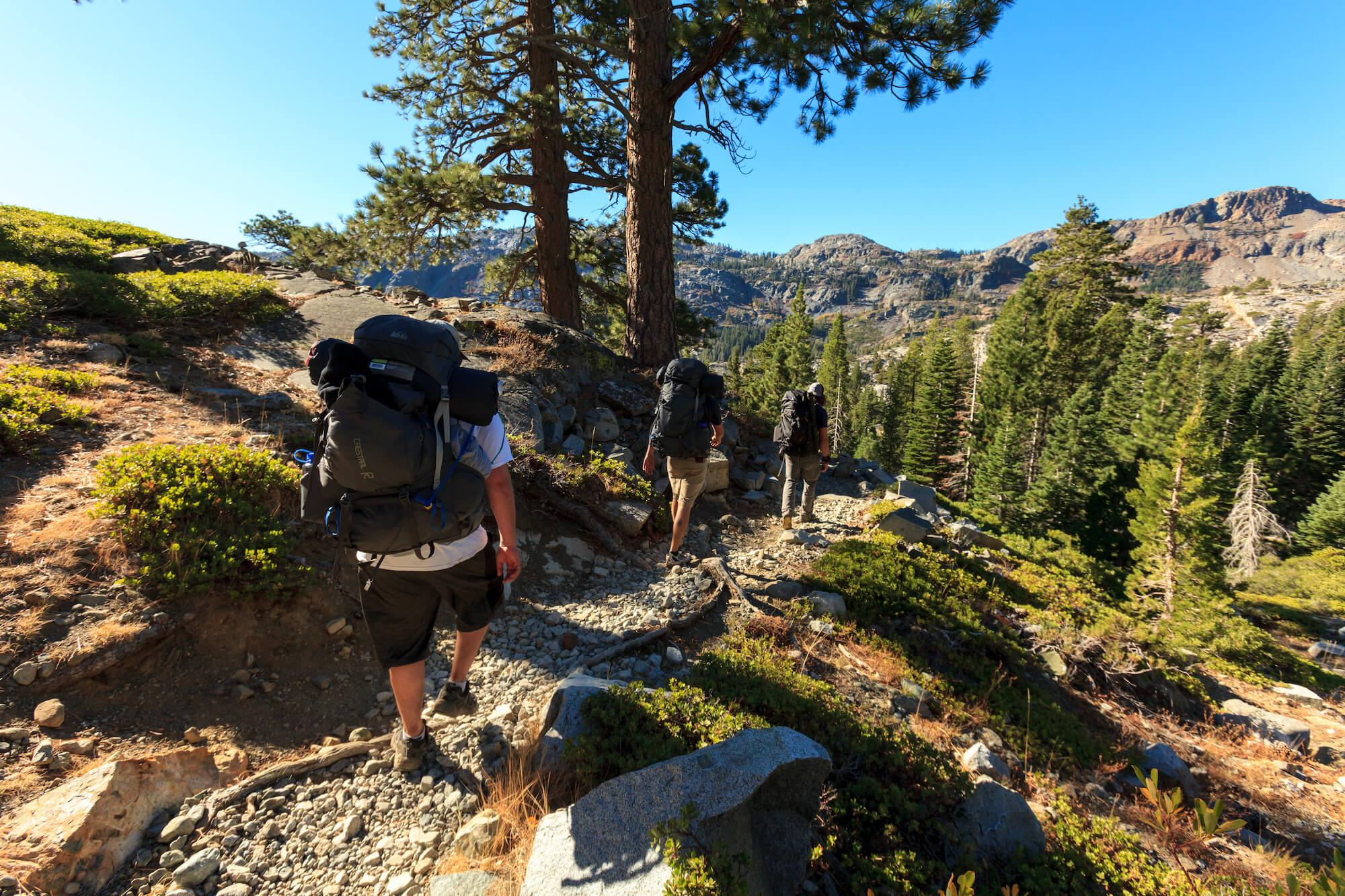
Volunteer activities align with how people already recreate outdoors. Opportunities may involve hiking, backpacking, trail running, backcountry skiing, splitboarding, mountaineering, paddling, surfing, and coastal exploration. Projects take place across forests, mountains, and coastal environments.
How does the data I collect actually get used?
Data collected by Adventure Scientists volunteers is research-grade and used by federal and state agencies, universities, and conservation organizations. It informs decisions about forest management, habitat protection, threatened species recovery, and long-term ecosystem resilience across the United States and the planet.
Where do conservation projects take place?
Various projects are currently taking place in almost half of all US states, including Alabama, Arkansas, Missouri, Mississippi, Florida, Texas, Tennessee, North Carolina, South Carolina, West Virginia, Pennsylvania, Ohio, Indiana, Kentucky, Michigan, New Hampshire, Wisconsin, Georgia, Louisiana, Washington, Oregon, and northern California. Data is being gathered in National Forests, Bureau of Land Management lands, alpine areas in the Cascade and Olympic Mountains, large State Forests, and along the Oregon Pacific coastline. Some locations are remote or difficult to access, which is why trained volunteers play a critical role.
How much time does volunteering require?
Time commitments vary by project, but are arranged around your schedule. Some opportunities may just be a walk on the beach or a hike through a well-traveled forest; others may align with multi-day outdoor trips. Volunteers can choose projects that match their availability, skills, and comfort level.
Is training provided before volunteering?
Yes! Adventure Scientists provides training for every project, including data collection methods, equipment, and use. Volunteers are supported throughout the process to ensure data quality.
Can I volunteer if I live outside of active project locations?
Yes! We welcome volunteers from anywhere, as long as you can safely access project locations and meet volunteer requirements.
How is Adventure Scientists different from other volunteer programs?
Adventure Scientists collects hard-to-get data from challenging environments that otherwise could not be obtained; the data needs are too large scale, too expensive, or too remote to access. Adventure Scientists uses trained volunteers and ensures rigorous quality standards. Every project follows a detailed Quality Assurance Plan, ensuring that volunteer-collected data meets scientific and management-grade requirements.
How do I sign up to volunteer?
You can explore current opportunities and sign up to volunteer by clicking on any of the above tiles.
Can I support Adventure Scientists if I can't volunteer right now?
Yes! You can support Adventure Scientists by signing up for conservation updates, sharing opportunities with your community, or making a donation.