
What happens when the data needed to protect forests, wildlife, and public lands lives in places most people will never see?
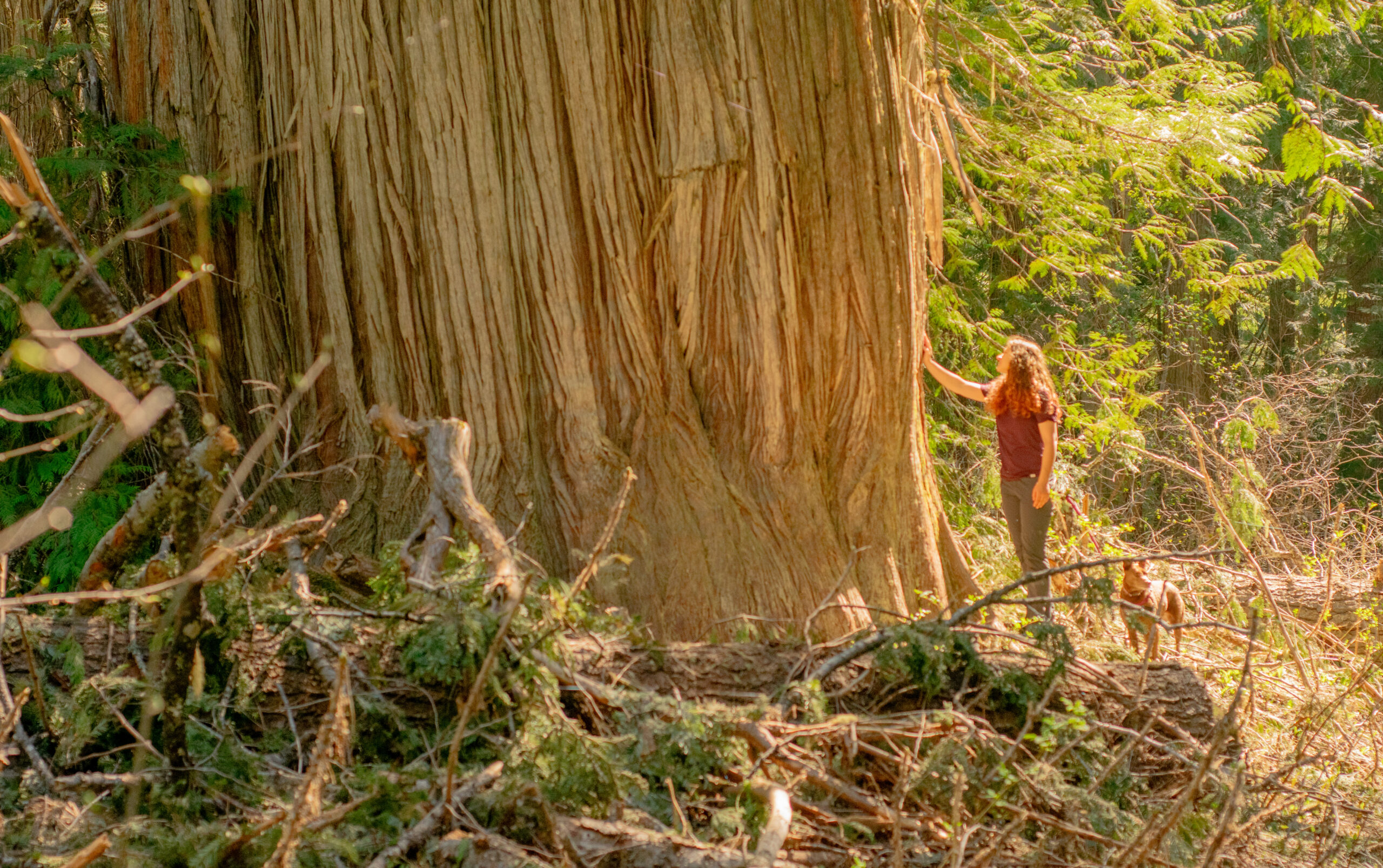
When longtime Adventure Scientists volunteer Ryan read the project description, she laughed.
“Bushwhacking into the woods after a 20-mile bike ride to access a remote area of Washington currently barely visited by the public? What’s not to love?”
After more than a decade volunteering on conservation projects, she knew the hardest assignments often became the most memorable.
A few days later, standing beside a loaded bike at the start of a long, closed forest road in Washington, the challenge ahead became very real.
Twenty miles of riding. Steep hillsides. Dense forest. Scientific equipment strapped to her pack.
Somewhere beyond the end of the road was conservation data scientists couldn’t collect any other way.
This is what conservation fieldwork with Adventure Scientists often looks like.
Why Conservation Fieldwork Happens in Remote Pacific Northwest Forests
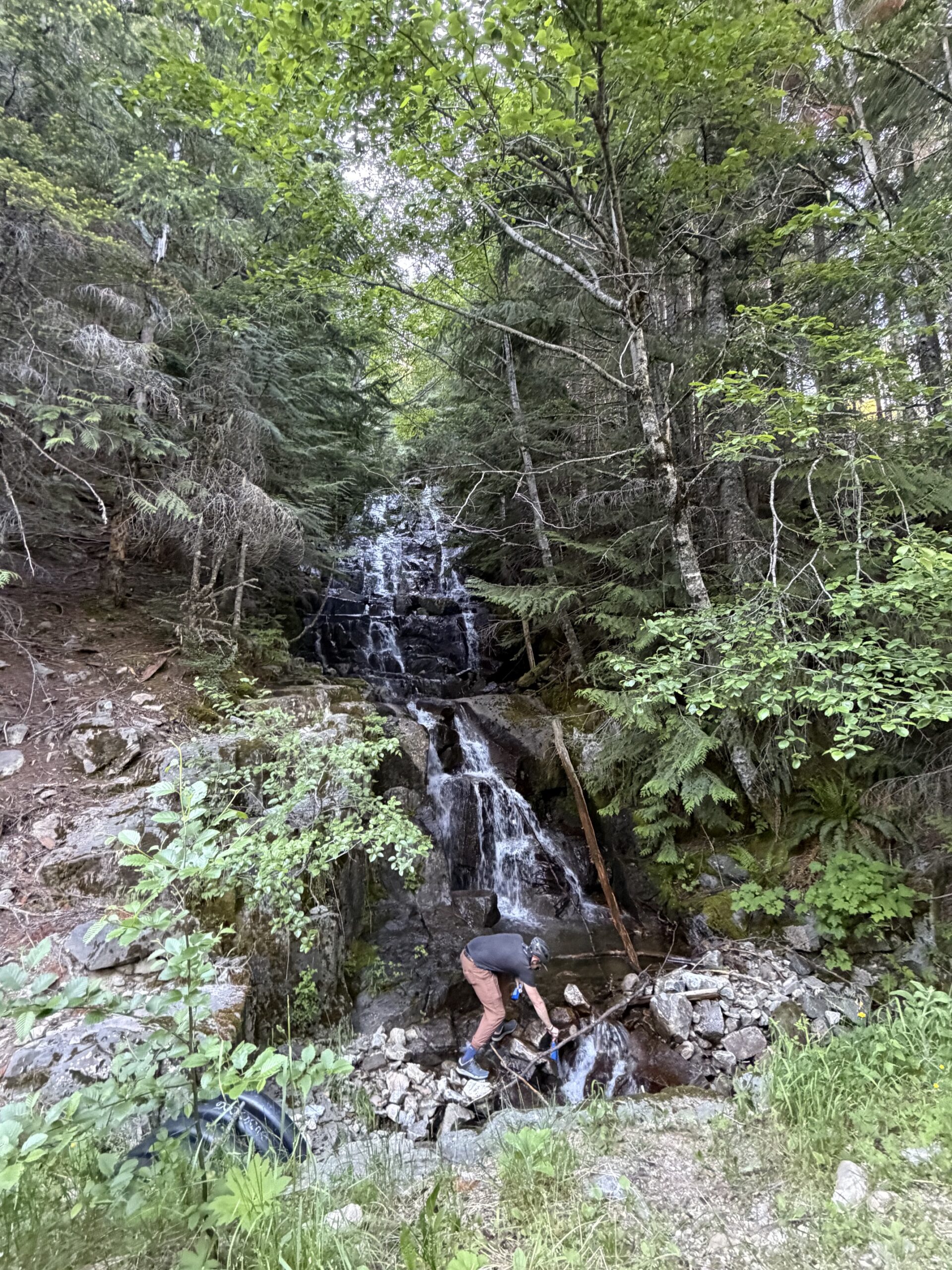
The Pacific Northwest’s forests are among North America’s most ecologically important landscapes. They provide habitat for countless bird species, mammals, amphibians, insects, and plants, many of which serve as indicators of overall ecosystem health.
Understanding what lives in the Northwest Forests – and how those ecosystems are changing – is essential for biodiversity conservation.
The challenge is that many of the places researchers most need to study are also the most difficult to reach.
Scientists can’t be everywhere, but experienced outdoor adventurers can.
Across Washington, Oregon, and California, volunteers are deploying small passive acoustic recorders – known as Autonomous Recording Units (ARUs) – that quietly listen to the forest around the clock.
Day after day, these devices capture birdsong, weather, insects, mammals, and countless other sounds that help researchers monitor forest biodiversity, identify wildlife, and better understand ecosystems facing increasing pressure from climate change and human activity.
The science is remarkably powerful and will directly impact the Northwest Forest Plan. Getting there is often the hardest part.
What Conservation Fieldwork Really Looks Like
The photographs from Ryan’s and Matt’s trips are beautiful; the reality was far more demanding.
That’s exactly why Adventure Scientists Field Fellow Matt L.’s video offers such an important glimpse into conservation fieldwork.
The footage shows volunteers side-hilling across unstable slopes, navigating dense Pacific Northwest forests, and carrying scientific equipment through terrain where progress is measured in feet rather than miles.
After completing one particularly difficult installation, Matt offered a warning for future volunteers.
“I honestly cannot in good conscience recommend that anyone follows the GPS track I took.”
Matt’s point: these wild landscapes demand preparation and respect.
The places scientists most need biodiversity data from are often the very places that challenge even experienced hikers, climbers, mountain bikers, and backcountry travelers.
The conservation data gap exists partly because these places are so difficult to study.
No research team can be everywhere, but thousands of volunteers, each contributing a small piece of the larger picture, can accomplish something no single expedition can.
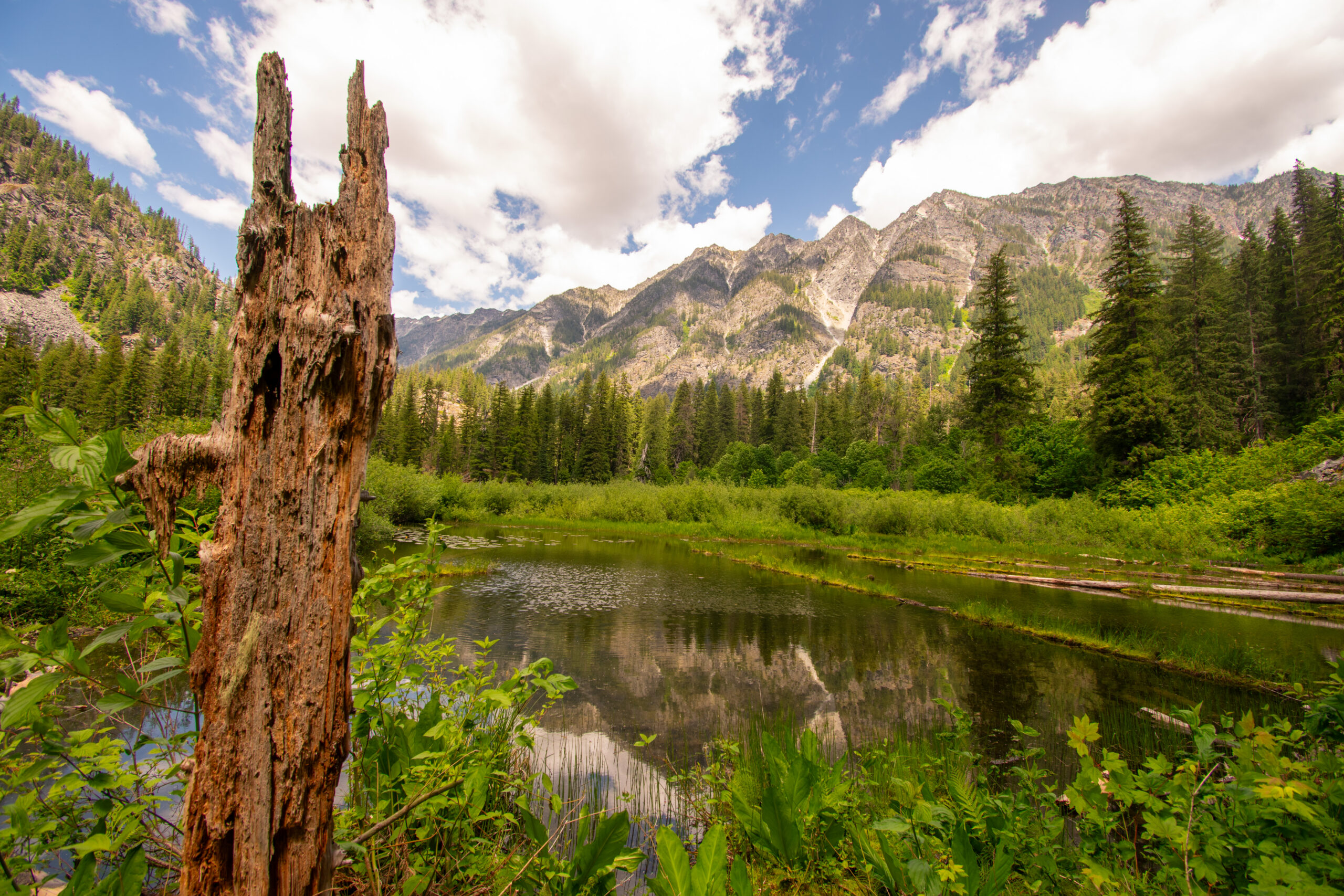
Old-Growth Forests Teeming With Life
When Ryan thinks back on the trip, she doesn’t remember the steep climbs first.
She remembers the silence, or rather, what filled it.
Sitting outside their tent that evening, Ryan and Eli realized something had changed.
“For the first time, we realized just how much more alive and ‘teeming’ the forest was without so much human activity.”
Birdsong layered across the landscape, fresh elk tracks crossed their route, a large animal slipped silently through the trees before disappearing into the understory.
Everything felt wilder. More alive.
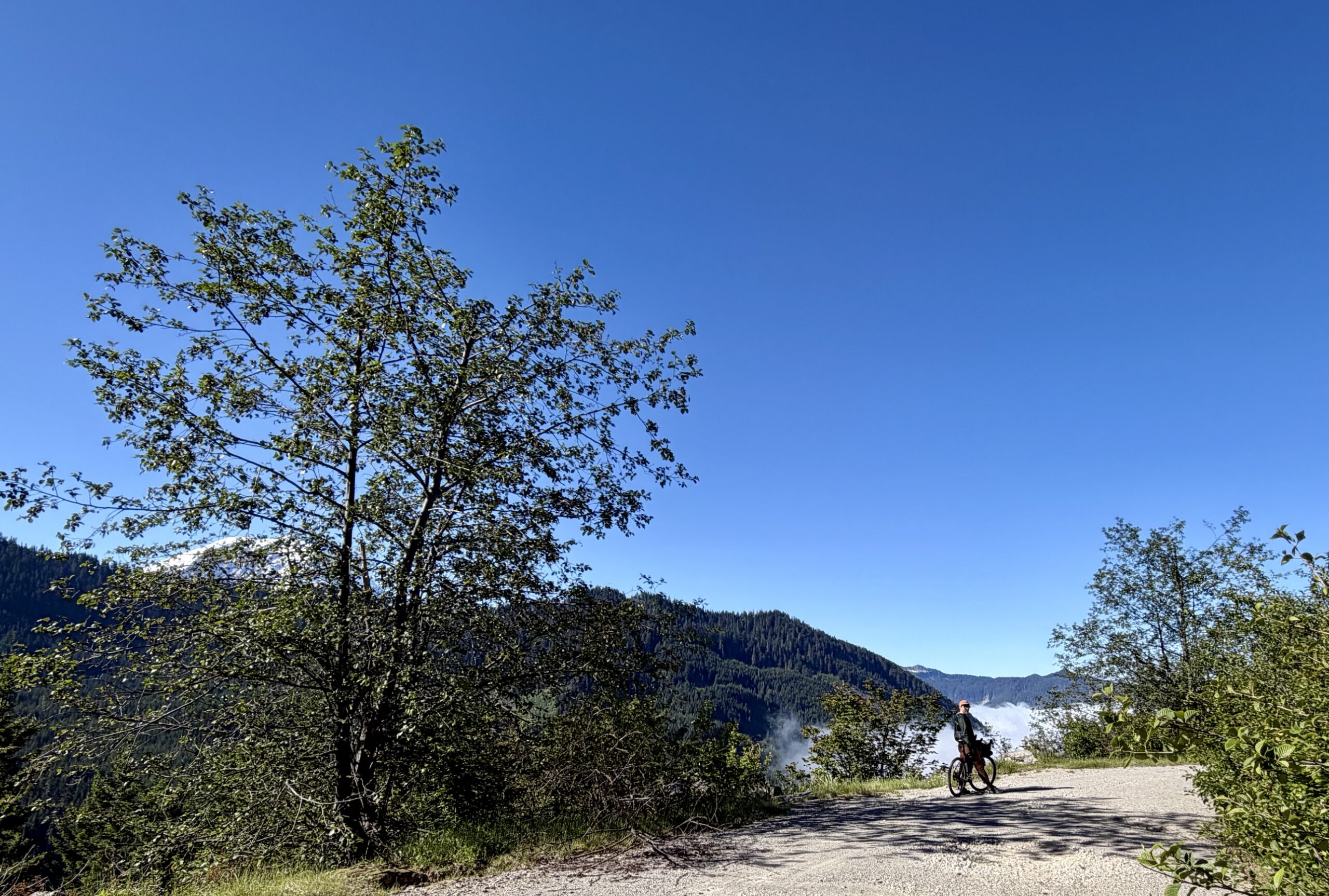
The next morning, they climbed above an ocean of valley clouds stretching across the horizon.
“Everyone else probably thought it was going to be a cloudy day, but we knew what they had in store once those clouds burned off.”
Moments like these rarely appear in scientific datasets, but they remind us why those datasets matter.
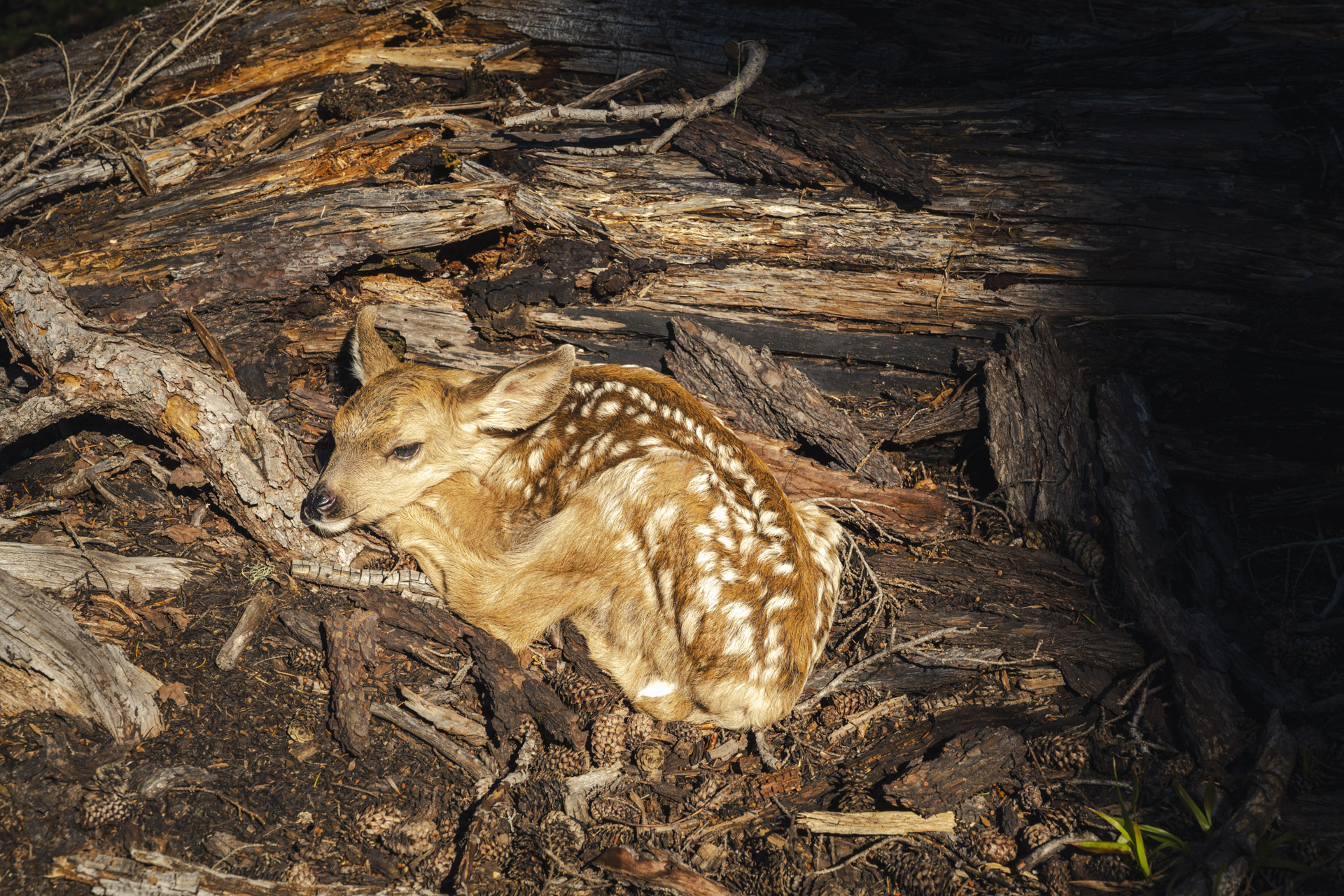
How Acoustic Monitoring Helps Scientists Study Forest Biodiversity
Long after volunteers hike home, the acoustic recorders continue listening. Before sunrise, during storms, and through passing seasons.
They capture dawn choruses, owl calls, insects, wind moving through old-growth forests, rainfall, and the countless sounds that reveal how an ecosystem functions.
Each recording adds another layer of understanding for scientists studying wildlife monitoring, forest biodiversity, and ecosystem change across the Pacific Northwest.
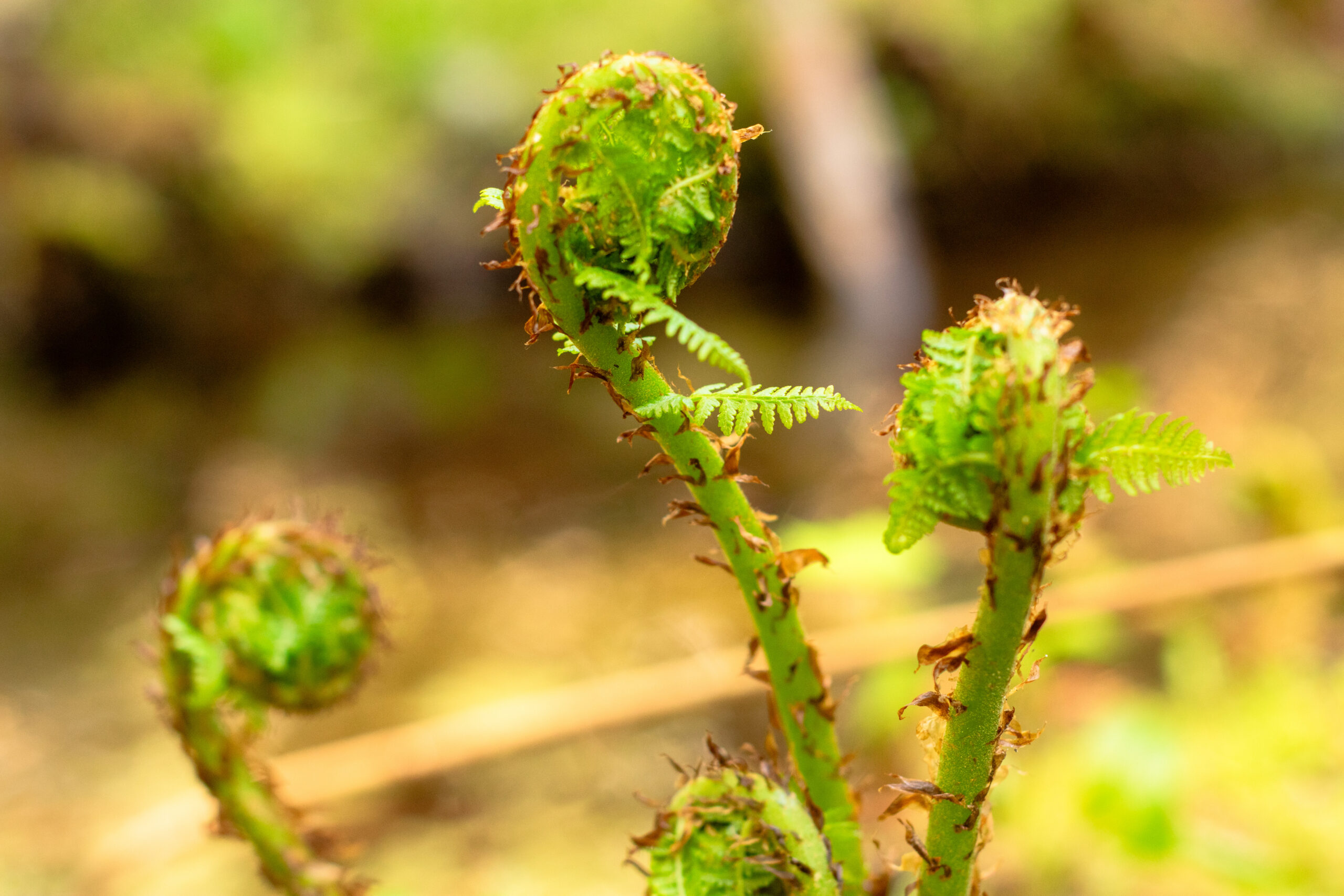

The Gear That Earns Its Place
When you’re carrying scientific equipment miles into the backcountry, every ounce matters.
Every piece of gear has to earn its place.
Matt’s and Ryan’s Topiku hats were being utilized in long days beneath the summer sun, through steep climbs and dense brush, helping keep them comfortable and protected from the sun while installing biodiversity monitoring equipment in remote forests.
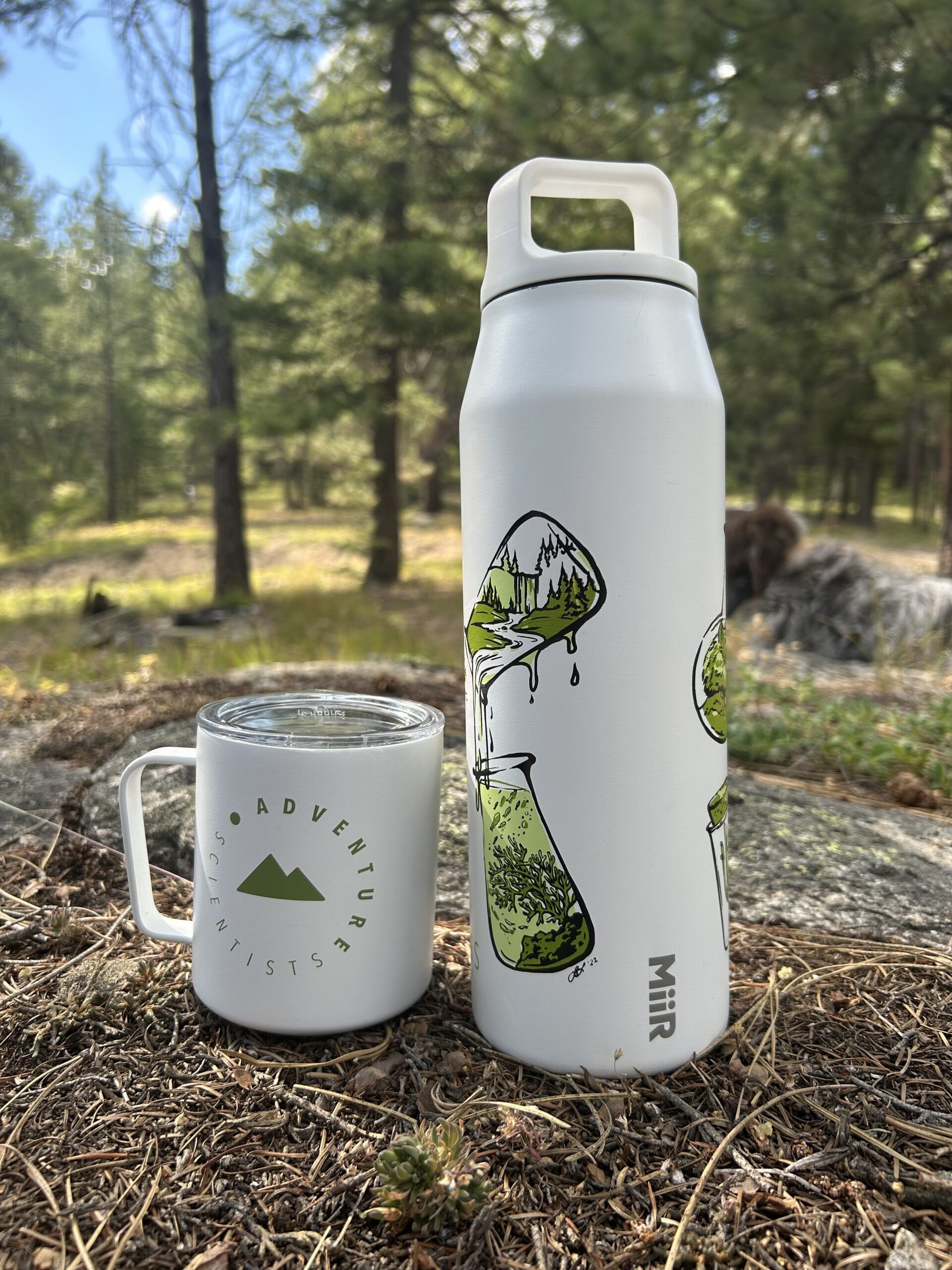
Their MiiR water bottles was just as essential.
Hydration isn’t a luxury when conservation fieldwork means biking twenty miles, bushwhacking across unstable terrain, and carrying sensitive scientific equipment deep into the backcountry.
We’re grateful for partners like Topiku and MiiR whose support helps make projects like this possible.
Their commitment to conservation helps equip volunteers to safely reach remote landscapes, collect high-quality scientific data, and return with information researchers need to better understand and protect wildlife habitat and public lands.


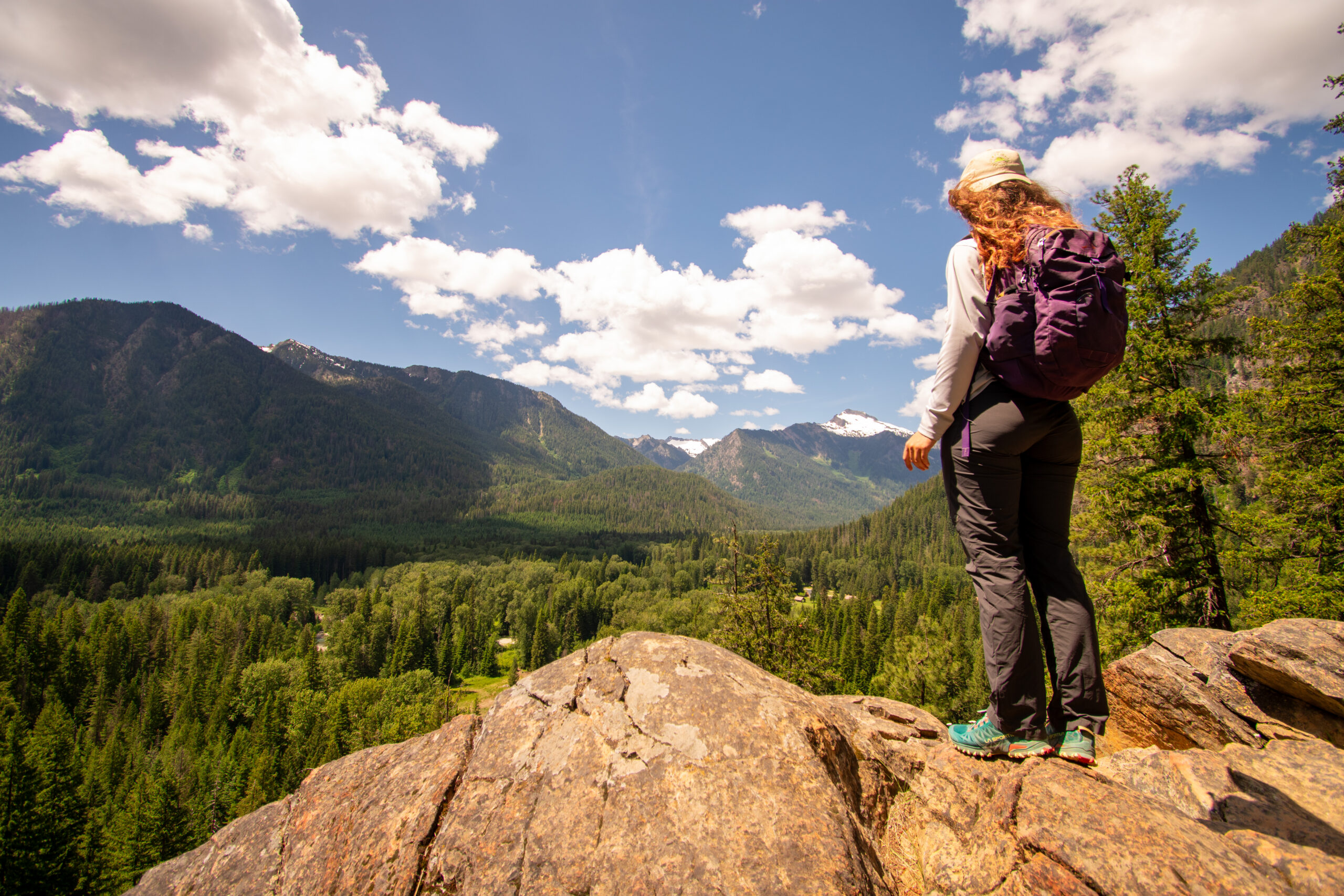
Why Conservation Fieldwork Matters
At Adventure Scientists, we often talk about the conservation data gap.
We know forests matter.
We know biodiversity matters.
We know healthy ecosystems support clean water, wildlife, and resilient communities.
But knowing something is valuable isn’t enough to protect it.
Protection begins with understanding, and that understanding begins with data.
Sometimes collecting that data means taking a water sample from a nearby stream; sometimes it means hiking into alpine terrain; and sometimes it means riding twenty miles down a closed forest road before disappearing into a landscape where scientists rarely have the time or resources to go.
Most people will never visit the forests where this biodiversity data is collected, yet the decisions that shape their future depend on understanding what lives there today.
Every acoustic recorder installed, every mile traveled, every volunteer willing to venture beyond the end of the road brings scientists one step closer to protecting landscapes that cannot speak for themselves.