
In this post
New project
A new multi-year study in Bali, Mangrove Plastics Removal: Outcomes for Vital Ecosystems (M-PROVE), co-led with Indonesia’s national research agency (BRIN), will test whether mangrove forests recover after plastic is removed.
In 2025, our partner, Sungai Watch, collected roughly 546 tonnes of plastic waste in Bali, Indonesia through its river barriers and cleanup operations, helping keep plastics from reaching the ocean.
That number is how plastic cleanups are usually measured: by what comes out. What scientists can’t yet say is what happens to the ecosystem afterward. Does a mangrove forest recover once the plastic is gone? By how much, how fast, and where? Recovery and regeneration after plastic cleanups haven’t been rigorously proven. That doesn’t mean cleanups don’t work; it means we need evidence to show impact.
Our newest project, Mangrove Plastics Removal: Outcomes for Vital Ecosystems (M-PROVE), is designed to produce that evidence.
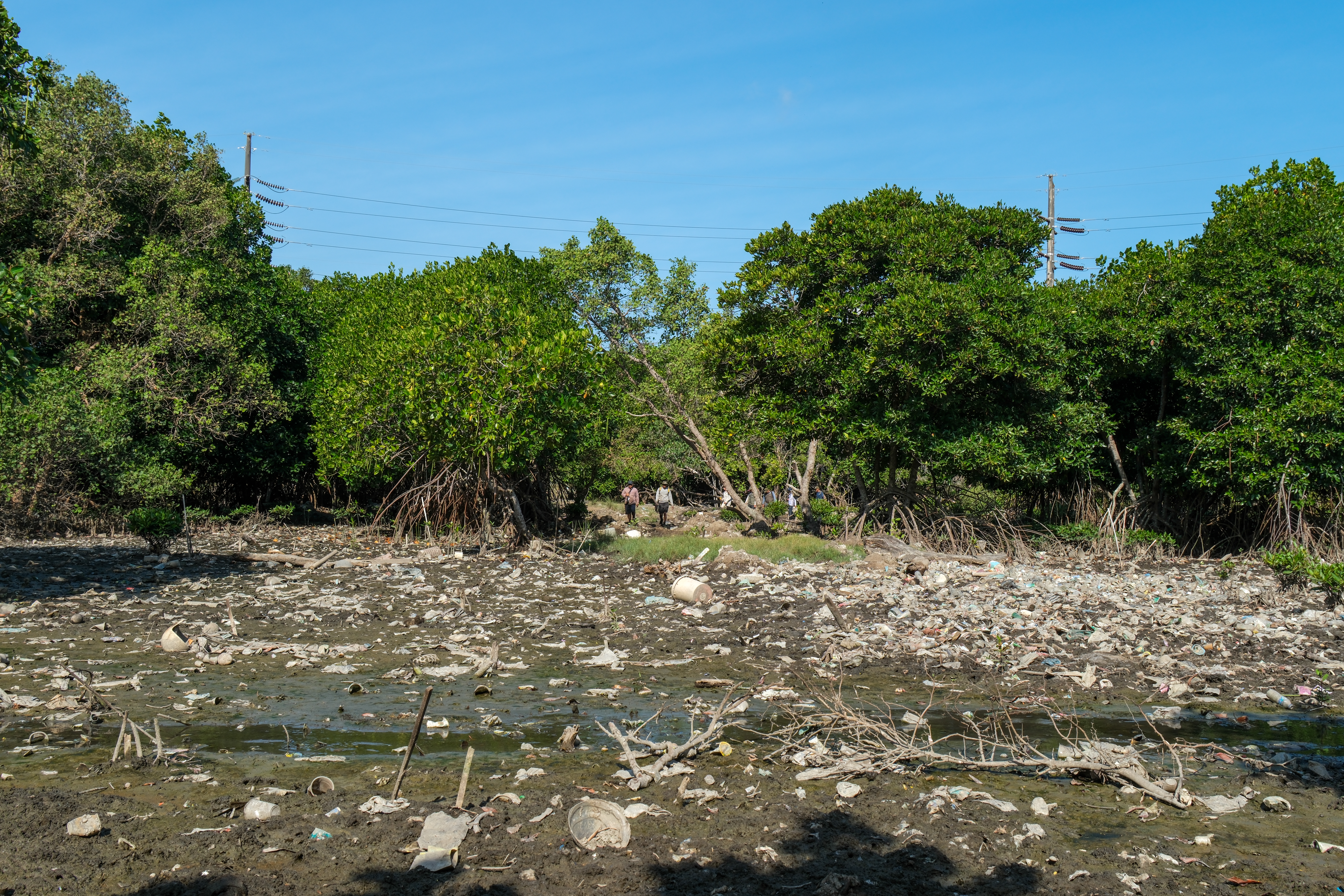
“We can see when plastic is removed. What we can’t see yet is whether the ecosystem is recovering… the question isn’t is cleanup good; it’s what does it actually do, and how do we prove it?”
The study
How M-PROVE Tests Mangrove Recovery After Plastic Removal
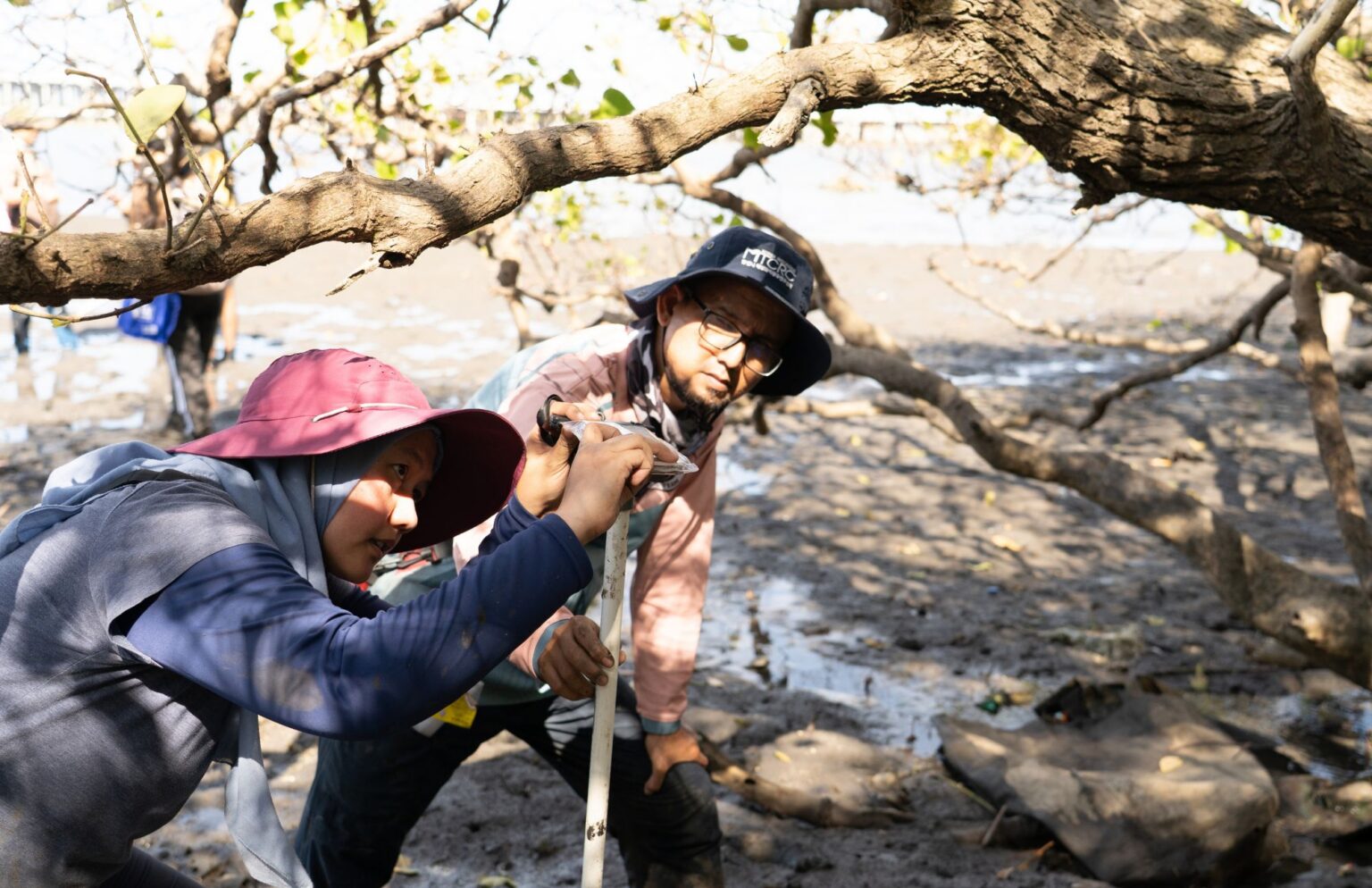
Co-led by Adventure Scientists and Indonesia’s National Research and Innovation Agency (BRIN), this first-of-its-kind citizen science study in Benoa Bay, Bali is putting mangrove recovery to the test. Across three sites ranging from heavy to light pollution, the team will track how plastic removal impacts biodiversity, soil carbon, and overall ecosystem health. Local community members and organizations will identify recovery with five complementary methods.
Five Ways the Team Will Measure Recovery
- Traditional biodiversity surveysTracking visible wildlife returning to the roots.
- Environmental DNA (eDNA)Detecting hidden life from water and sediment samples.
- Smart plastic monitoringTracking plastic accumulation directly from the field using a phone-based tool.
- Forest inventoryMeasuring tree growth, canopy health, and regeneration in mangroves.
- Soil carbon assessmentsEvaluating how plastic removal protects vital blue carbon storage.
Why it matters
Why Do Indonesia’s Mangroves Matter?
Sources: Wetlands International Indonesia; The Jakarta Post.
Data collectors
Who Collects the Data? Local Community Members are Empowered Citizen Scientists
Local organizations and universities, community members, field teams, lecturers, and students are trained to collect ecological data themselves, building lasting scientific capacity and improving livelihoods in Indonesia.
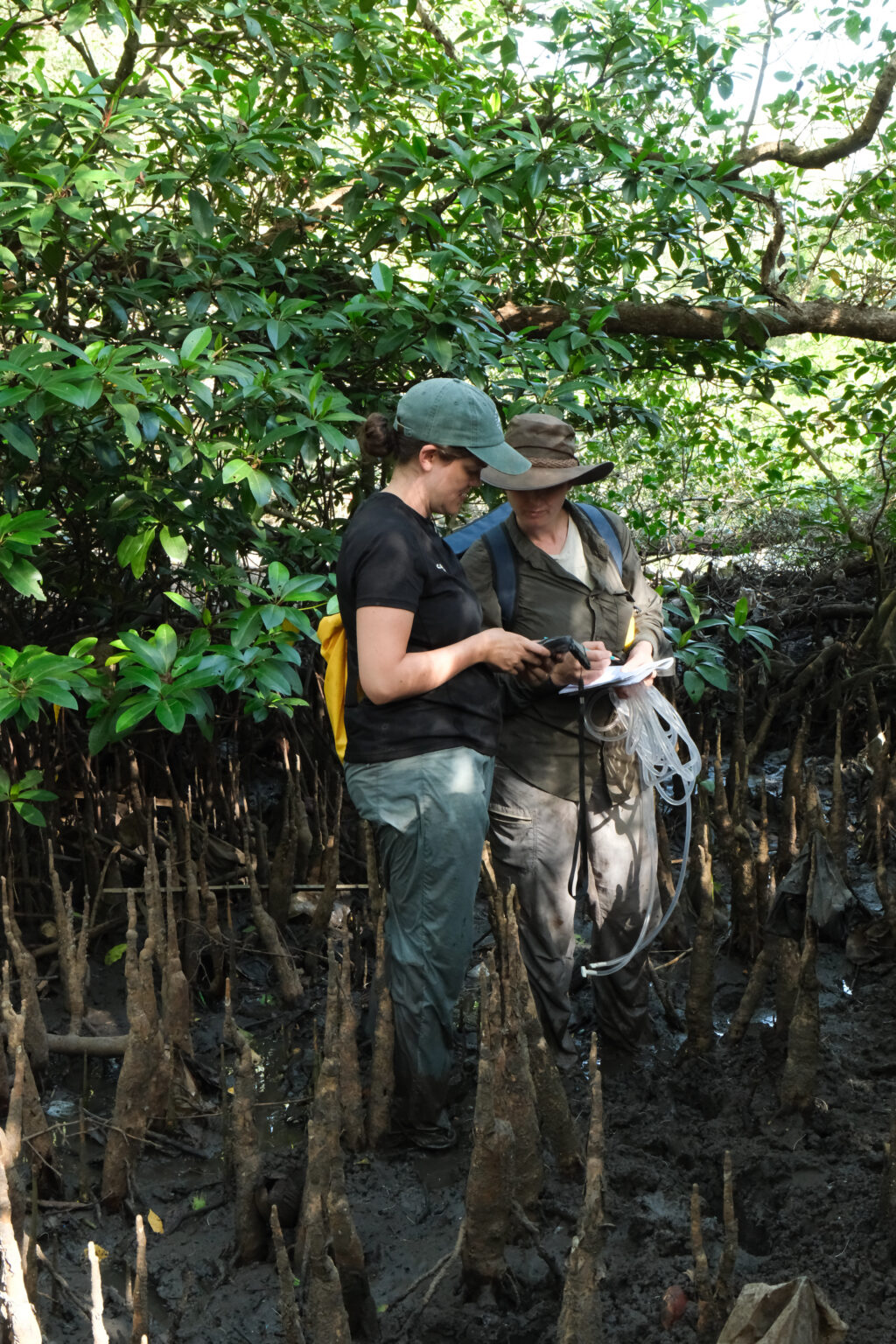
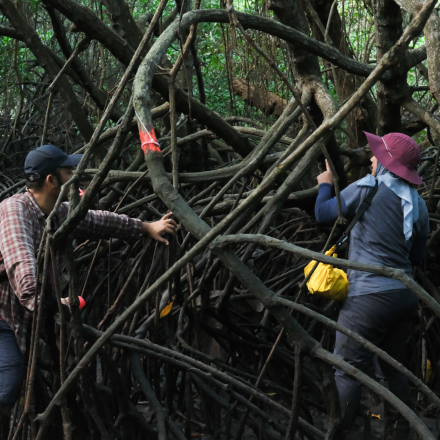
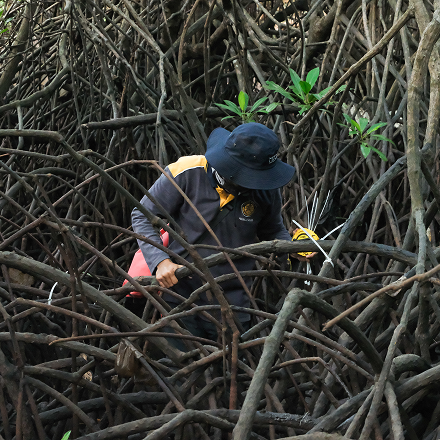
“I think involving them in data collection and sharing knowledge will make the project more meaningful and help build local capacity for mangrove conservation.”
Armyanda Tussadiah, Mangrove Team, MATA Nusantara
What’s next
What Happens Next: Fieldwork Begins in Bali in December 2026
Teams are finishing the field protocols, community training, and the phone-based plastic monitoring tool ahead of fieldwork. Here is the road from here.
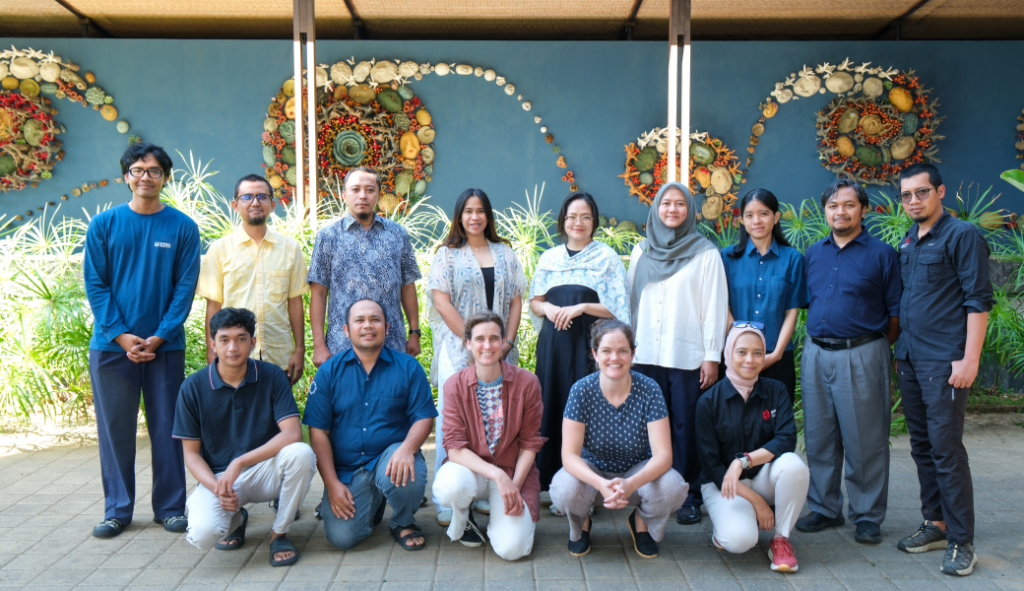
- July 2026Pre-field workshop in Bali16 partners across 6 organizations met, and researchers validated study sites in the field. Final study sites were selected.
- December 2026First field weekCommunity data collectors and project partners come together in Bali for hands-on training and the first baseline data collection, including plastic monitoring and eDNA sampling. Teams also begin the HyperClean experiment, comparing intensive plastic removal in treatment plots with uncleaned control plots. Rachel, who manages the project for Adventure Scientists, will be on the ground in Bali.
- Through November 2027Cleanups and plastic monitoring continue
We’ll share what we find as the data comes in, including what was measured, what changed, and what remains uncertain. The goal is to find credible evidence of the ecological and climate impacts of plastic pollution and the benefits of plastic removal in mangrove ecosystems. This evidence will be used to inform restoration and waste-management efforts across Indonesia and the wider Coral Triangle.
Follow M-PROVE as the data comes in
Fieldwork begins in December 2026. Get updates on what we measure and what we find, and meet the people and partners doing the work.
Partners
Partners and support
M-PROVE is co-led by Adventure Scientists and Indonesia’s National Research and Innovation Agency (BRIN), which serves as scientific lead for Indonesian research components. Adventure Scientists serves as co-lead and project manager. Field data collection is carried out by Sungai Watch and MATA Nusantara field teams and community members, with biodiversity surveys supported by local university lecturers and students. Partner institutions include Sungai Watch, Bionesia, MATA Nusantara, NatureMetrics, and Wageningen University & Research.
Adventure Scientists® Since 2011
Adventure Scientists®
PO Box 1834, Bozeman, MT 59771
406.624.3320
info@adventurescientists.org
Adventure Scientists® Since 2011
Adventure Scientists®
PO Box 1834, Bozeman, MT 59771
406.624.3320
info@adventurescientists.org