
SAVING AMERICAN BEECH
VOLUNTEER HOMEPAGE
Welcome, Adventurers!
Your Next Steps:
Claim a Zone
Explore the map below to find available beech zones included in the study.
Download & Review the Required Field Resources
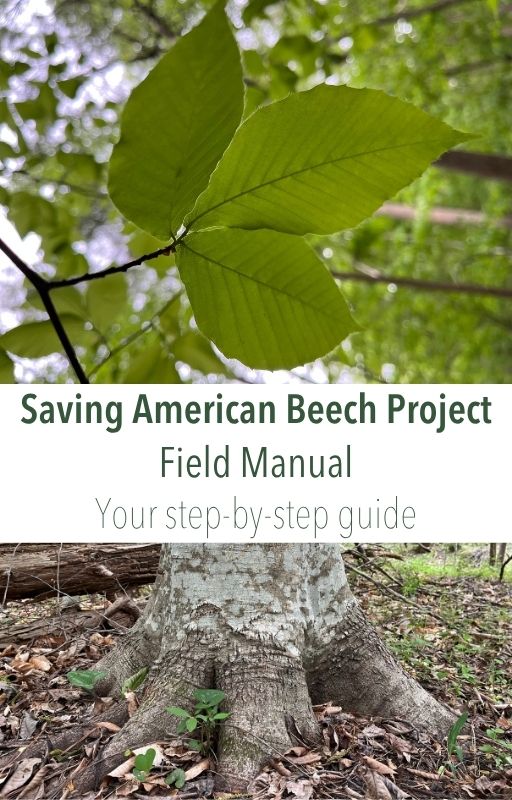
- Field Manual: your step-by-step guide for collecting data in the field
- TreeSnap app
Start Your Adventure!
Get out there! Feel free to share your adventure stories and photos with us after your trip.
Review Additional Support & Resources
Connect with the team, explore additional trainings, and browse FAQs for extra support.
Project Goals:
The purpose of this project is to perform a range-wide assessment of American beech trees to understand the genetic variation and diversity in the species’ range and the genetics underlying resistance to these devastating diseases. Researchers will use the data collected to identify disease-resistant trees to support restoration efforts. This is reflected in the map below, where each zone has a limited number of samples that can be collected, as we are looking for a wide range of samples across multiple states.
Step 1: Plan Your Trip
To start your first adventure, please only request leaf collection equipment from one zone. Once you mail your first collected samples, then come back to the map and choose your next location.
How to Use the Trip Planning Map:
1.
Select a zone on the map that you’d like to explore. You will notice some areas on the map are grayed out. These locations have been thoroughly sampled, so select a zone that still needs collections!
2.
Follow the link to sign-up for your zone and submit a quick trip plan. You’ll notice that trips can only be claimed up to three weeks in advance. If your planned trip date is farther out, check back closer to your adventure date to see if your zone is still available. You will also notice the first week is blocked, please note it will take 1 week for the sampling gear to arrive.
3.
Check your email for trip planning resources and information on equipment and permits.
4.
Before your adventure, check the map to see where others have already collected data in your zone. If part of your zone is blocked off, please collect samples from an open area of the map. Remember, the goal is geographic/genetic diversity.
Step 2: Download and Review your Field Resources
Step 3: Start Your Adventure!
Once you’ve submitted your trip plan, here’s what happens next:
- Keep an eye out for a confirmation email! Your gear will be on its way shortly.
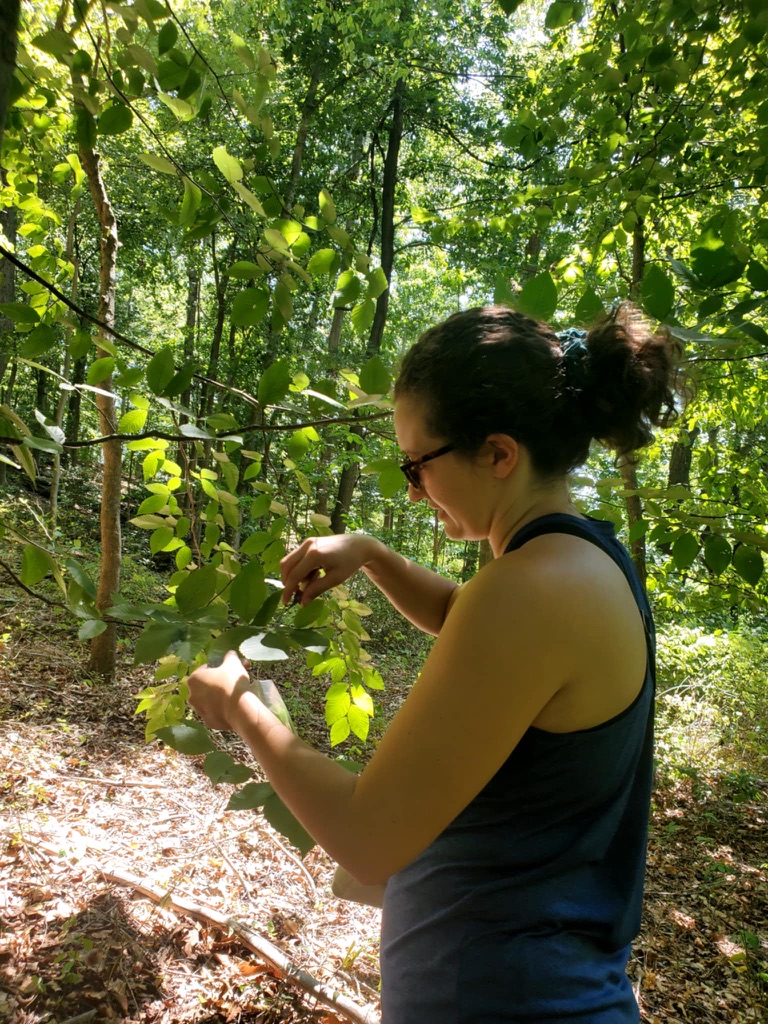
- Once received, get out into the forest!
Additional Resources
Reach out to Adventure Scientists staff with any questions you have!
Revisit Your Training
Need a refresher? Revisit your training to be confident in the field.
Webinars
FAQs
Once I receive my gear, can I collect samples outside the zone I signed up for?
Please only collect samples within the zone you selected. Because this project focuses on genetic diversity and operates under specific permits, each zone has a limited number of samples that can be collected.
If you need to change your zone, reach out to us at forests@adventurescientists.org. We can help you find another zone nearby that still needs data.
What resources should I use to plan my trip?
There are several helpful tools we recommend for planning your trip:
- AllTrails or Gaia GPS for finding routes, trail access, and difficulty levels
- Local National Forest or land management websites for updates on road conditions, closures, and access restrictions
We recommend checking conditions before heading out to ensure a safe and smooth trip.
Can I collect data on hikes by myself?
We always recommend letting someone know where you are adventuring and to follow the buddy system.
Any other questions?
Please email forests@adventurescientists.org