
By Victoria Ortiz
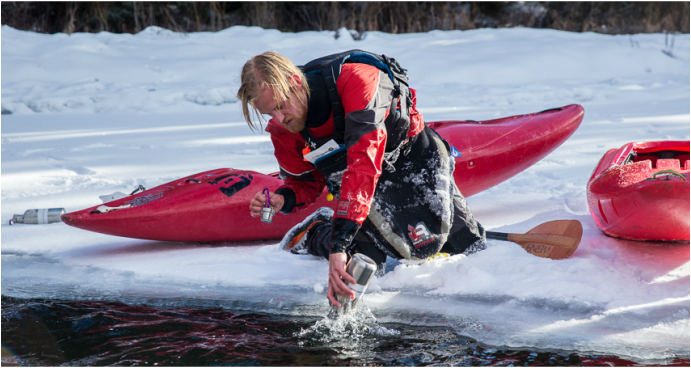
Adventure Scientist volunteers braving the cold to collect water samples, photo by Louise Johns
The snow started falling outside our Bozeman office windows this week, signaling the beginning of a much-anticipated winter season. Many organizations reach out to donors this time of year, but we decided to do something a little different. In addition to asking you to give, we want to say thank you for your support by giving back to you. Hence, we’ve launched this year’s #GratefulGiveBack.
The snow started falling outside our Bozeman office windows this week, signaling the beginning of a much-anticipated winter season. Many organizations reach out to donors this time of year, but we decided to do something a little different. In addition to asking you to give, we want to say thank you for your support by giving back to you. Hence, we’ve launched this year’s #GratefulGiveBack.
As many of you know, Adventurers and Scientists for Conservation is now Adventure Scientists! We are incredibly grateful to our donors, volunteers and corporate partners for helping us grow into Adventure Scientists. We have sharpened our mission statement, cleaned up our look and honed our vision.
To show our appreciation and to celebrate the new Adventure Scientists, we’re doing a month of gear giveaways leading up to the #GratefulGiveBack Grand Prize on Giving Tuesday, Nov. 29th. For every $30 donation, you’re entered to win that week’s gear and the final grand prize showcasing an aspect of our new tagline. All donations will be matched up to $10,000 by the Tomchin Family Foundation and the HerRay Foundation!
Explore: Exploration and discovery are at the heart of what we do, as adventurers and scientists. We rely on the outdoor adventure community because they pay close attention to detail, are creative problem solvers, and are able to share their experiences via the rich tradition of storytelling that is at the heart the outdoor community. As our grand prize giveaway, we’ve partnered with GoPro, Clif Bar, and others to outfit one of our contributors with all of the gear they’ll need and more to get out and explore this winter.
To show our appreciation and to celebrate the new Adventure Scientists, we’re doing a month of gear giveaways leading up to the #GratefulGiveBack Grand Prize on Giving Tuesday, Nov. 29th. For every $30 donation, you’re entered to win that week’s gear and the final grand prize showcasing an aspect of our new tagline. All donations will be matched up to $10,000 by the Tomchin Family Foundation and the HerRay Foundation!
Explore: Exploration and discovery are at the heart of what we do, as adventurers and scientists. We rely on the outdoor adventure community because they pay close attention to detail, are creative problem solvers, and are able to share their experiences via the rich tradition of storytelling that is at the heart the outdoor community. As our grand prize giveaway, we’ve partnered with GoPro, Clif Bar, and others to outfit one of our contributors with all of the gear they’ll need and more to get out and explore this winter.
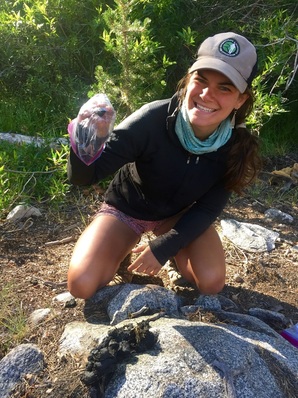
Collect: We empower the outdoor adventure community to collect data from the outdoors that are crucial to unlocking solutions to the world’s environmental challenges. We partnered with Osprey Packs and Peak Design so that our volunteers can collect and pack out their scientific samples on their next adventure.
Take, for instance, our Global Microbe Study. Our volunteers are collecting crucial data for Harvard Medical School that would never have been available without the skills and enthusiasm of the outdoor community. By collecting animal scat from all over the world, our volunteers have helped Harvard Medical School find new species of Enterococcus bacteria and further their efforts to better understand the origins of antibiotic resistance. By understanding these origins, researchers believe they will one day be able to develop a solution to this growing human health issue.
Take, for instance, our Global Microbe Study. Our volunteers are collecting crucial data for Harvard Medical School that would never have been available without the skills and enthusiasm of the outdoor community. By collecting animal scat from all over the world, our volunteers have helped Harvard Medical School find new species of Enterococcus bacteria and further their efforts to better understand the origins of antibiotic resistance. By understanding these origins, researchers believe they will one day be able to develop a solution to this growing human health issue.
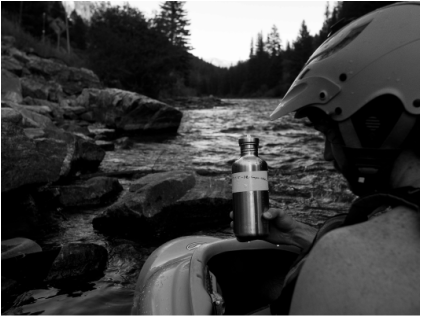
Protect: Adventure Scientists offers an opportunity for adventurers to take action to protect the places they love. In the spirit of protecting these places, we are giving away Klean Kanteens to limit the proliferation of microplastics in our oceans and waterways.
Thousands of adventurers have contributed water samples to our Global Microplastics Initiative, which maps and analyzes the spread and proliferation of plastic particles smaller than 5 mm that likely pose a massive environmental and human health risk when they enter our waterways. At the moment, we’re talking with outdoor gear companies about reducing plastic fiber shed from outdoor clothing, government agencies about how to regulate microplastics in wastewater, and other scientists about how to further study the health effects of the pollution.
Thank you so much for contributing to Adventure Scientists. Whether you’re clicking donate on our website, stopping for a scat sample on a local bike ride, or traveling to the far corners to collect a water sample, you’re part of an army of outdoors people and travelers giving back to the places they love. We’re inspired by your dedication and support and are so grateful to work with you.