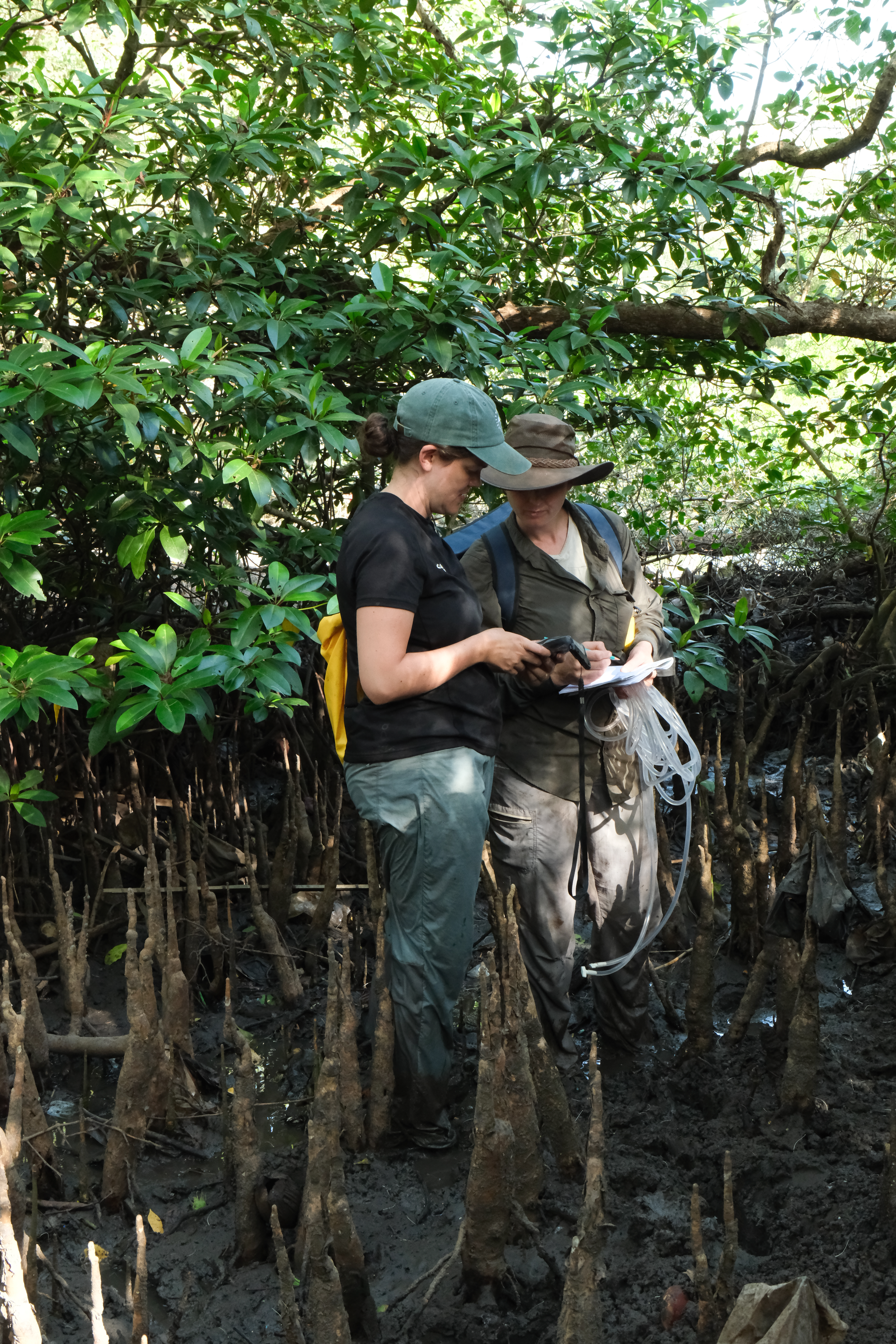
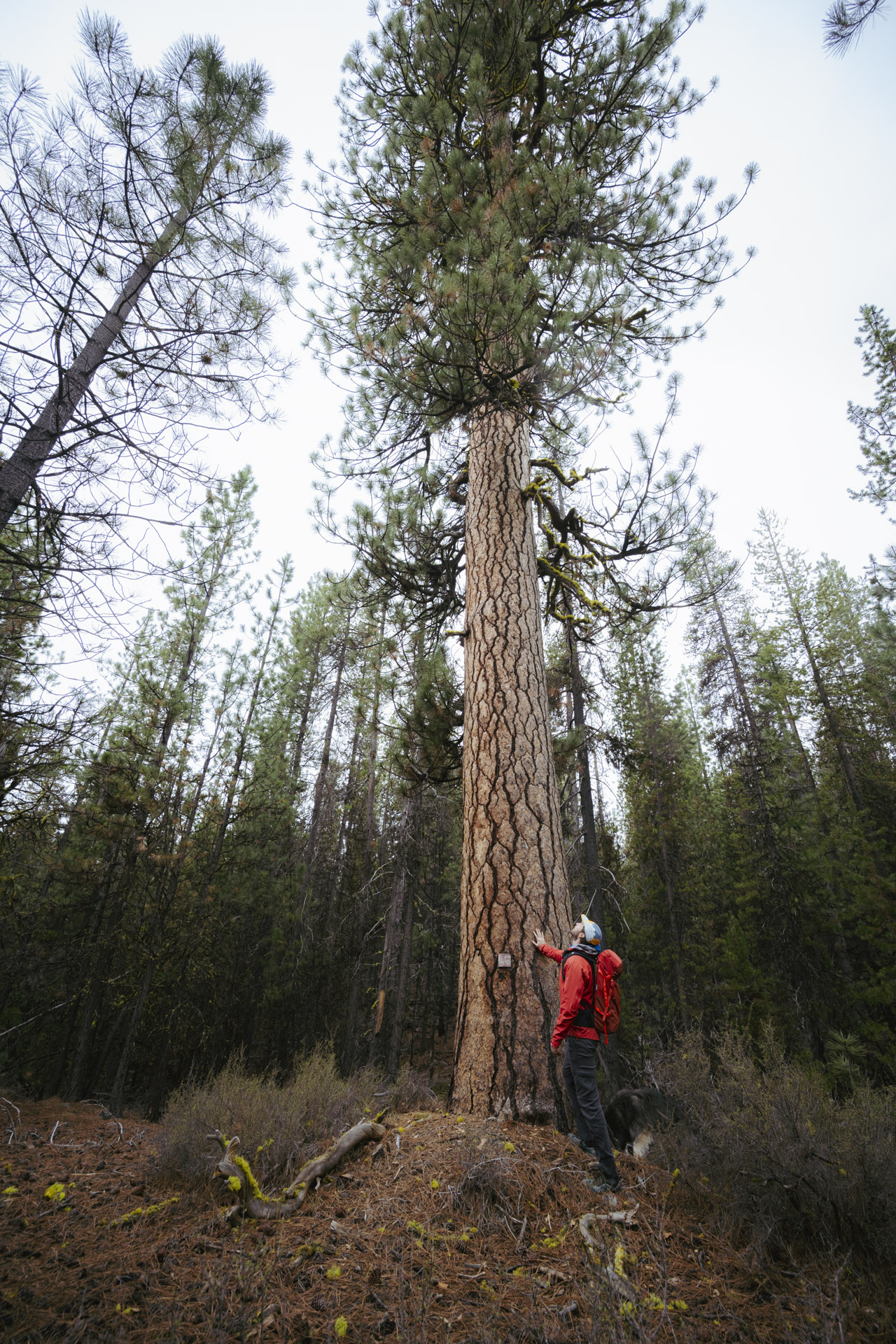
Adventure Scientists’ new Executive Director, Lara Birkes, names the fixed point Adventure Scientists is steering toward and what it will take to get community and volunteer-collected data into the global policy frameworks that advance solutions for nature and people.
This is my first blog post as Executive Director, six months in, and I want to spend it on something bigger than an update: where we’re headed in the decades to come. The fixed point we’re navigating toward.
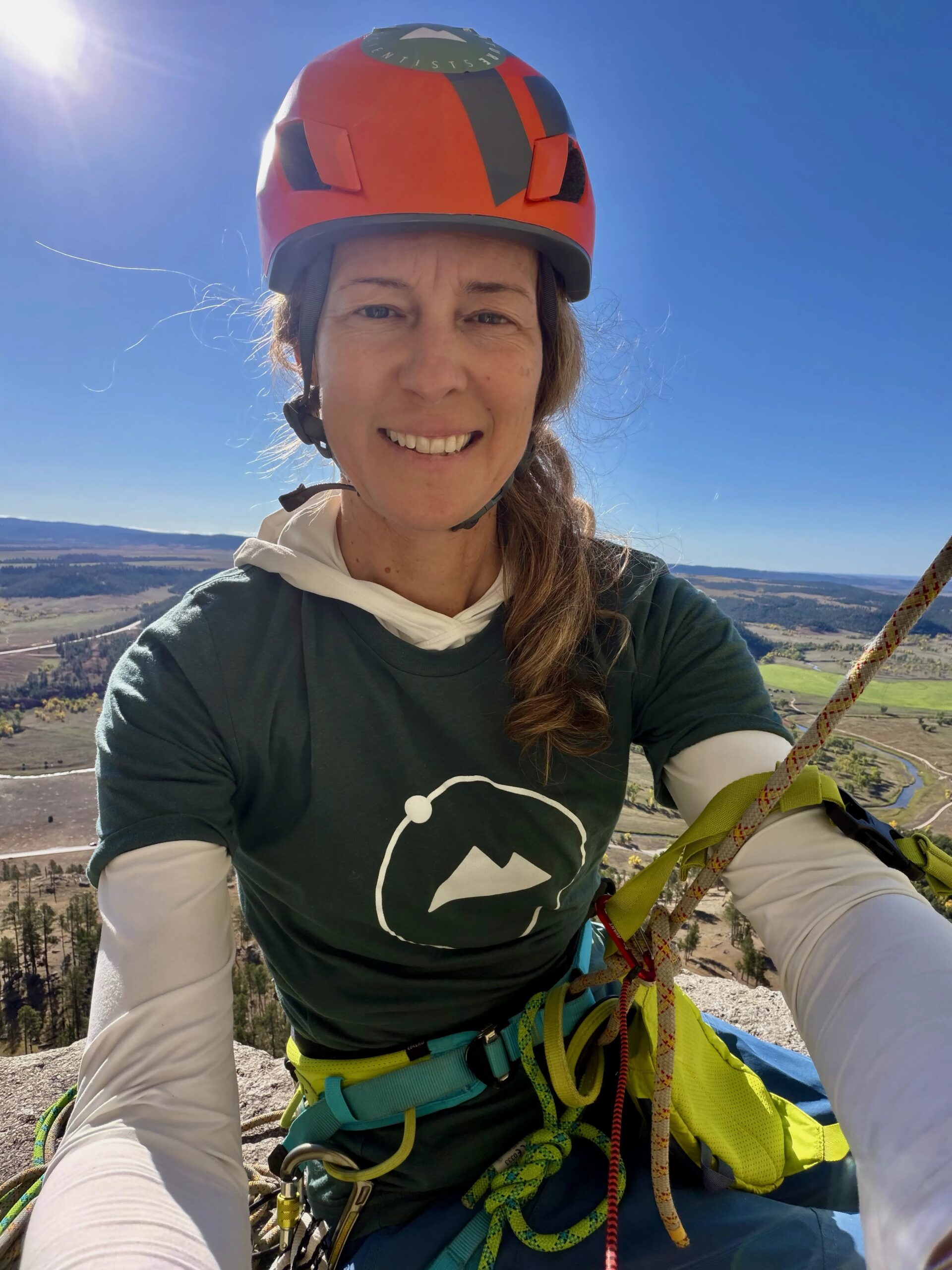
Why a “fixed point” matters
Adventure Scientists has always been good at the “how.” We know how to train a volunteer to collect research-grade data and how to get someone to a place a research team couldn’t otherwise access. What I want to do here is name the “why”, ultimately behind that work. That fixed point is our vision, what we’re calling our North Star:
Adventure Scientists is the trusted citizen science partner for hard-to-gather field data that advances global policy frameworks for nature and people.

- Trusted. Not the biggest, not the flashiest – trusted. Trust is slow to build and easy to lose, and it’s the only currency that matters when a scientist, a government, an international institution, or a coalition is deciding whose data to use.
- Citizen science partner. Sometimes that’s a trained volunteer, sometimes a paid local data collector in their own community. Either way, it’s a partnership, not a transaction: we train and support the people doing the work of collecting reliable field data.
- Hard-to-gather field data. This is where we live. The places that are too remote, too technical, or too time-consuming for anyone else to access consistently. If the data were easy to get, someone would already have it.
- Global policy frameworks. This is the part I want to underline. It’s one thing to collect good data; it’s another for that data to actually move a decision: a management plan, a threatened or endangered species listing, a protected-area boundary. Decades from now, I want the honest answer to “did the data matter?” to be yes, and at a scale that advances solutions for the natural world and its inhabitants.
- Nature and people. In that order, but never one without the other. Every acre we help protect, every species we help track, sits inside a community that depends on it too.
Nothing new, just changed
It’s what our purpose has been describing all along: we collect hard-to-gather field data that advances solutions for nature and people. Our impact is what we’ve always been working toward: critical decisions affecting nature and people informed by reliable field data that would otherwise be too remote, costly, or time-consuming to gather. And it’s what our method has always put into practice: activating outdoor enthusiasts and local communities to gather decision-critical scientific information from places that would otherwise go unmeasured.
What’s evolving is that we’re naming, out loud, the scale we’re aiming toward: a body of work substantial and credible enough to sit inside the policy frameworks that actually govern how nature and people flourish in the decades to come. It’s the next scale of ambition for work we’ve already proven can deliver, and we’re ready for it.
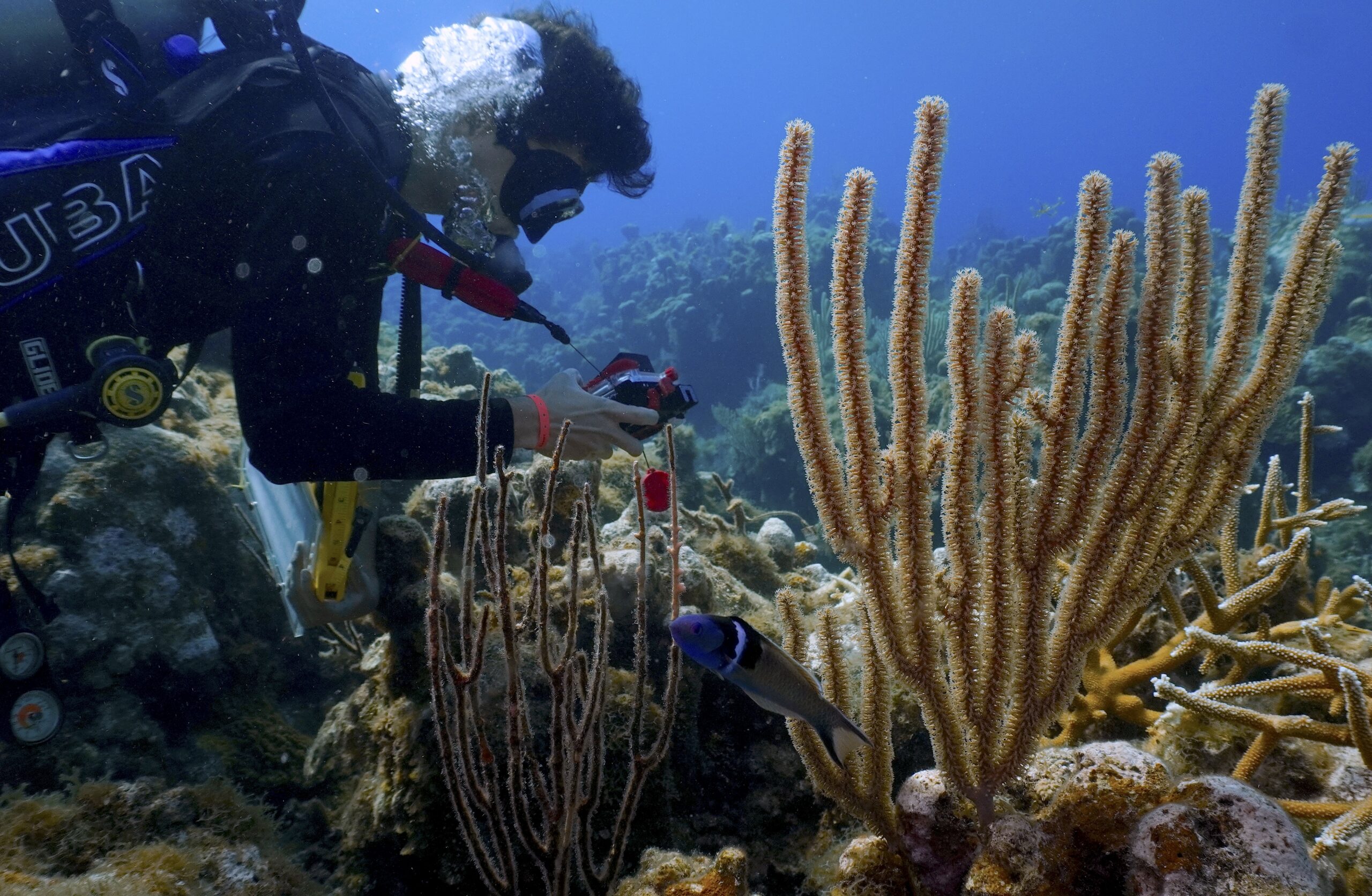
What this looks like in practice: Coral Reef Monitoring
Naming a North Star is easy. What matters is whether we can point to a program that’s actually walking toward it, with a concrete way to track progress. Right now, our clearest example is our Community-Powered Monitoring Network to Guide Coral Reef Recovery Across Latin America.
Over the past year, we’ve run a standardized monitoring protocol across seven locations spanning the Mesoamerican Reef and the Eastern Tropical Pacific, at the same time, something that hasn’t been attempted at this scale in the coral reef world before. Because the protocol is standardized across regions, we can compare reef health site to site: where the Pacific is recovering better than the Caribbean, for instance, and why.
As we build the long-term funding case for this program, we’re asking partners to name the specific global frameworks their work already contributes to, or could, so we can track our progress against the same benchmarks the rest of the field, and major funders, already recognize. A few we’re anchoring to directly:
CBD Global Biodiversity Framework, Target 3: 30% of marine and coastal areas protected by 2030 (“30×30”), and Target 2: 30% of degraded marine ecosystems under restoration.

The Coral Reef Breakthrough, the sector-wide goal (backed by ICRI, GFCR, and the UN Climate Champions) of securing 125,000 km² of reef and mobilizing $12B by 2030.

GCRMN, the global reef-health measurement standard our data feeds into directly, standardized hard coral and algal cover reporting that rolls up into the international Status of Coral Reefs of the World report.

IUCN Red List of Ecosystems, which classifies reef condition from Least Concern to Collapsed, the same classification system that feeds the CBD’s ecosystem-integrity goal.
That’s the concrete version of “advances global policy frameworks”: our monitoring data literally rolling up into the reports and targets that international bodies, national governments, and major funders use to decide where to protect, where to restore, and where to invest next.
What does success look like along the way?
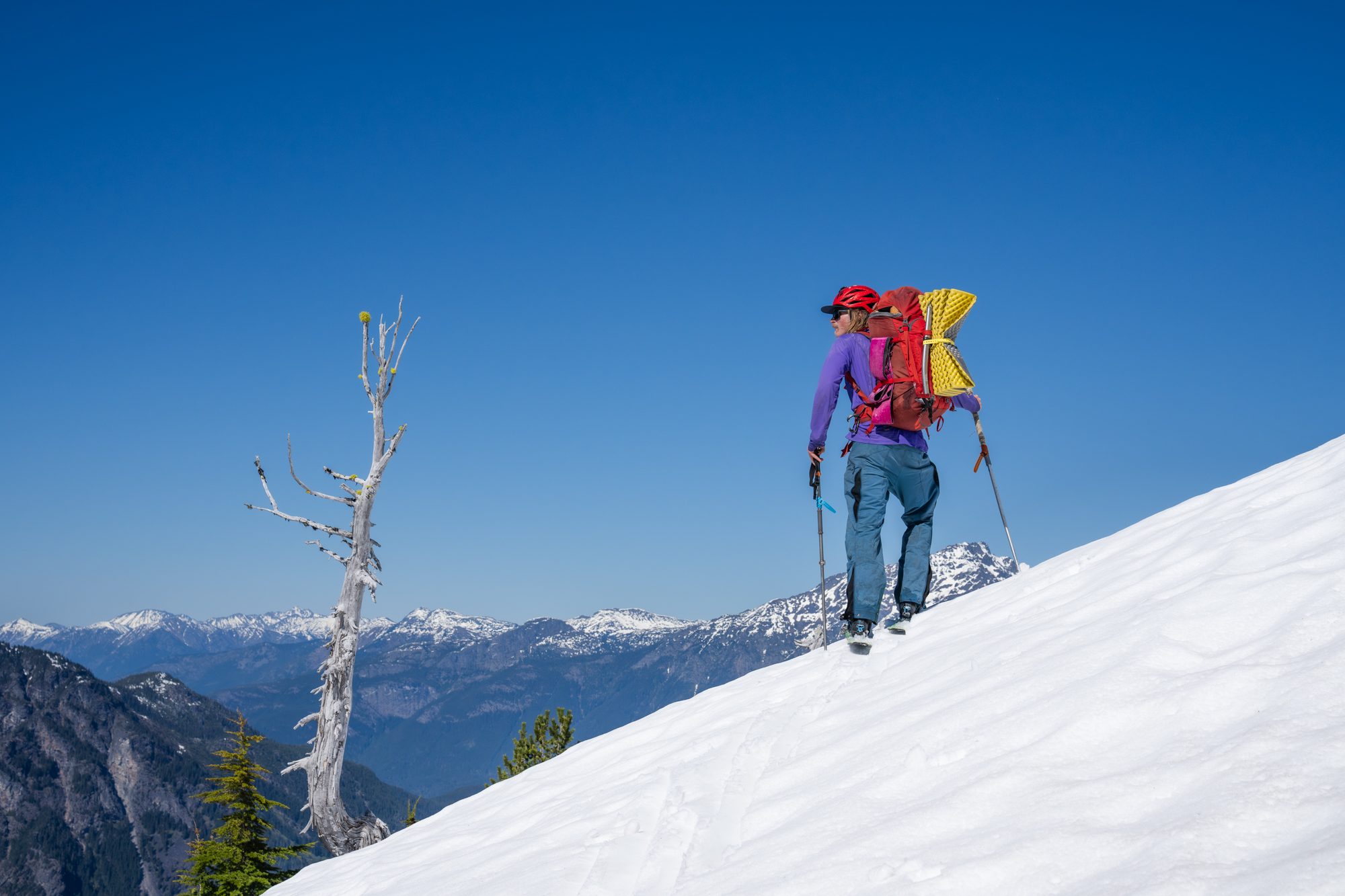
I don’t expect us to arrive at Our North Star today – it’s not a destination that we just check off – but I do expect to see it show up in smaller ways along the way: in the partners who call us first; in the organizations and researchers who cite our datasets not as a nice-to-have, but as the record; and in the outcomes themselves, such as forests managed with better information, a species with stronger legal protection, a watershed with a management plan built on real data, or a reef with a restoration plan informed by years of monitoring.
I’m six months into learning how all the pieces fit together, and I’m still finding new ones, but I’m confident in the direction. I wanted the first thing I write here to be about it, plainly stated, so we can all navigate by the same point on the horizon.
More soon. If you’re a partner, a funder, or a volunteer with us, I want to hear how you want to be part of this next chapter. Whether that’s an aligned project to point us toward, a partnership worth exploring, or simply more time out there, a North Star is easier to follow with more people orienting toward it.
Lara Birkes
Executive Director
Want To Be Part of This Work?
Share these stories with your network or support the work through a donation. If you’re part of a conservation organization, research institution, government agency, or marine protected area interested in bringing standardized reef monitoring to your region, we’d love to hear from you.