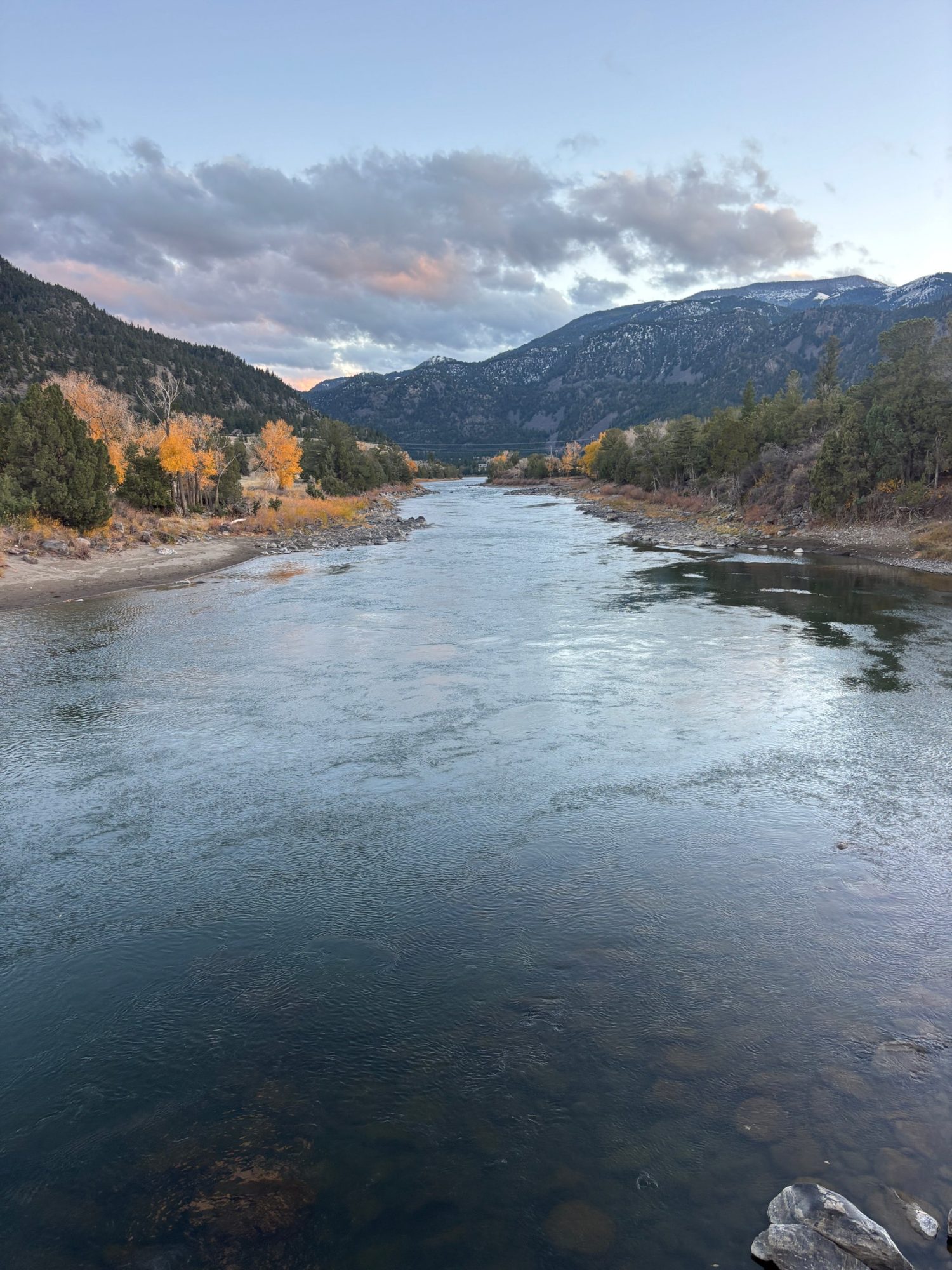
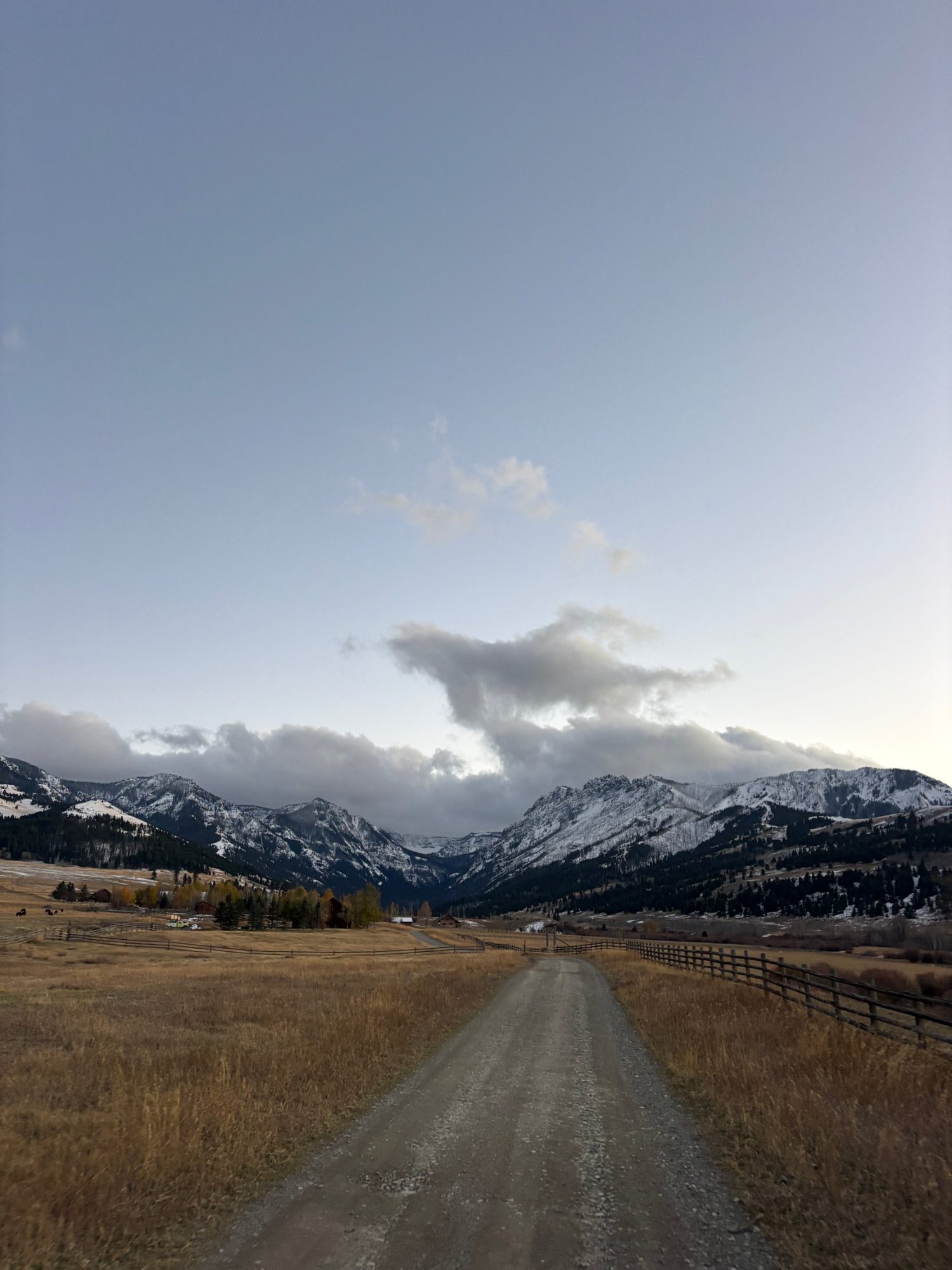
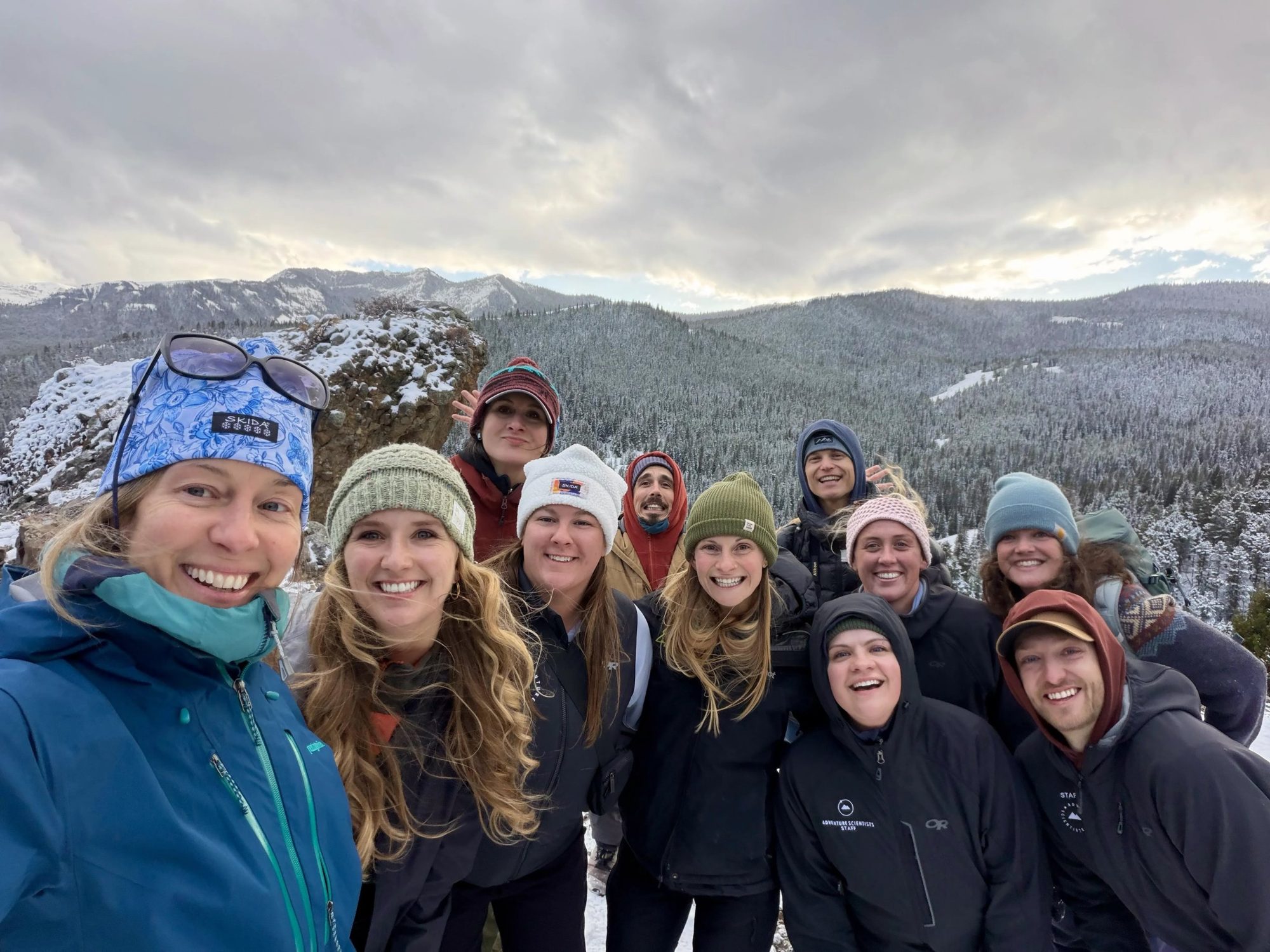
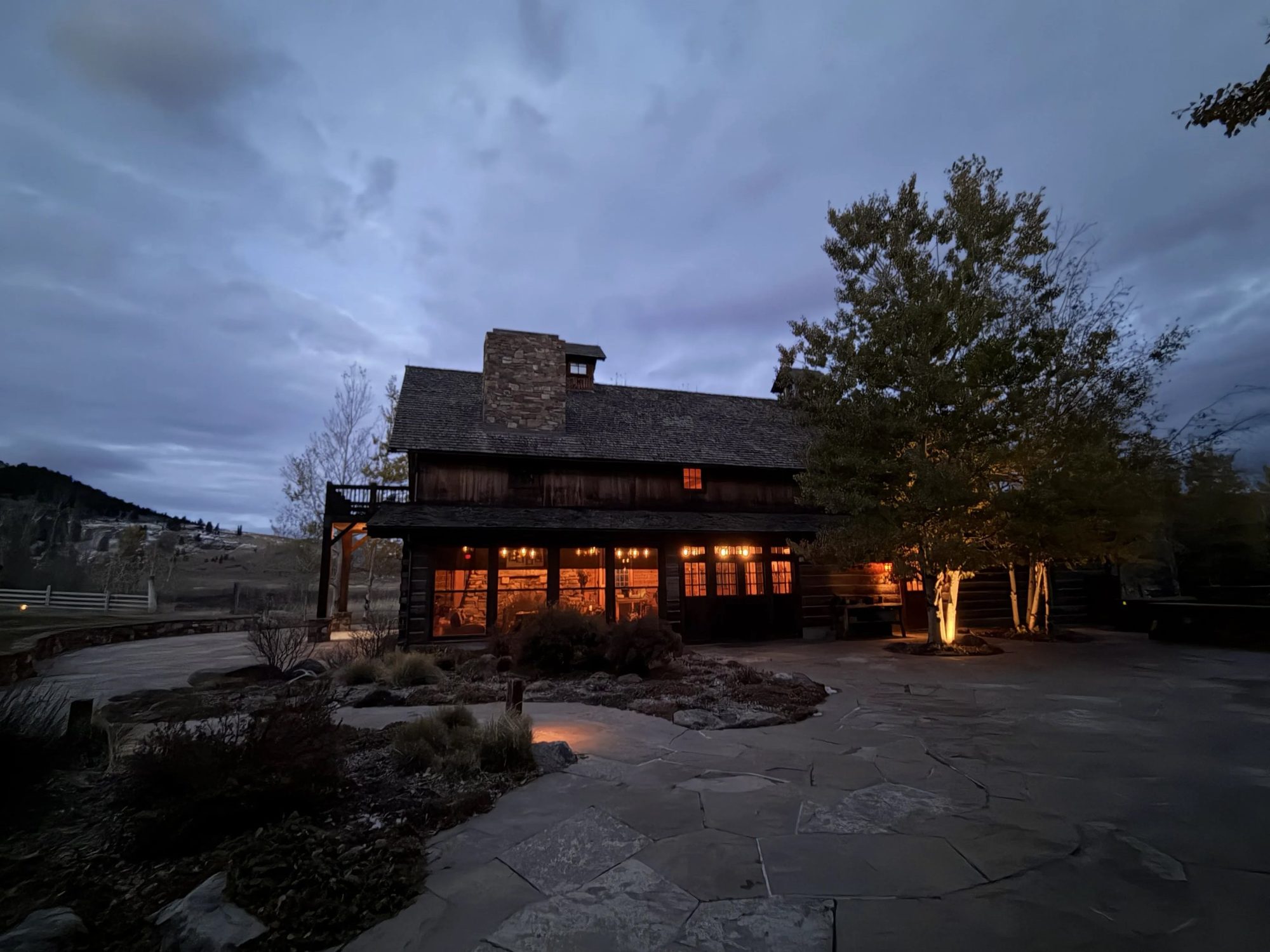
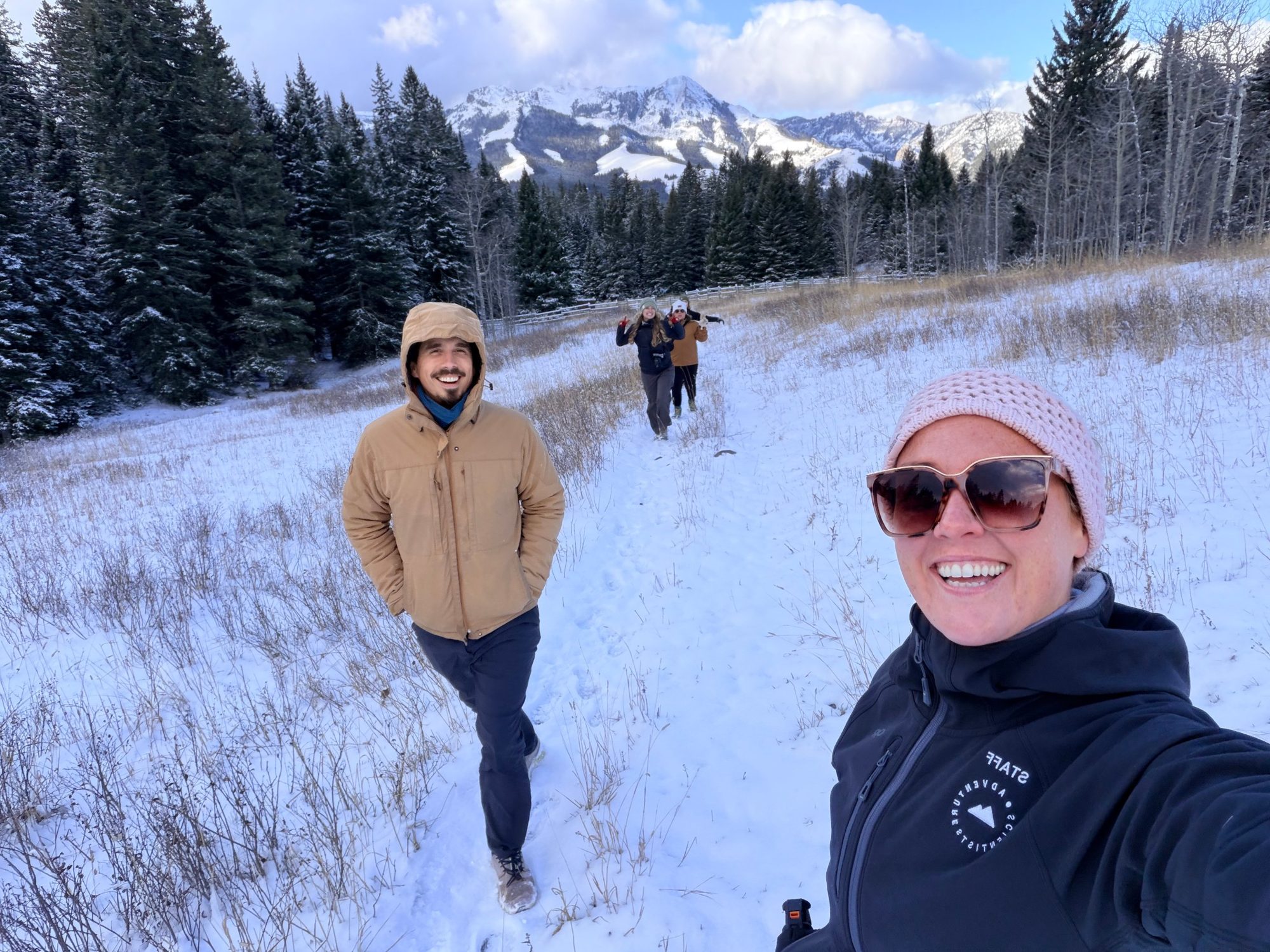
Once a year, the Adventure Scientists team leaves home offices and meets in one place to put our work under real pressure. This fall, we spent four days in Montana’s Tom Miner Basin taking our volunteer program apart, rebuilding how we measure impact, and ending every day watching grizzlies cross the hills.
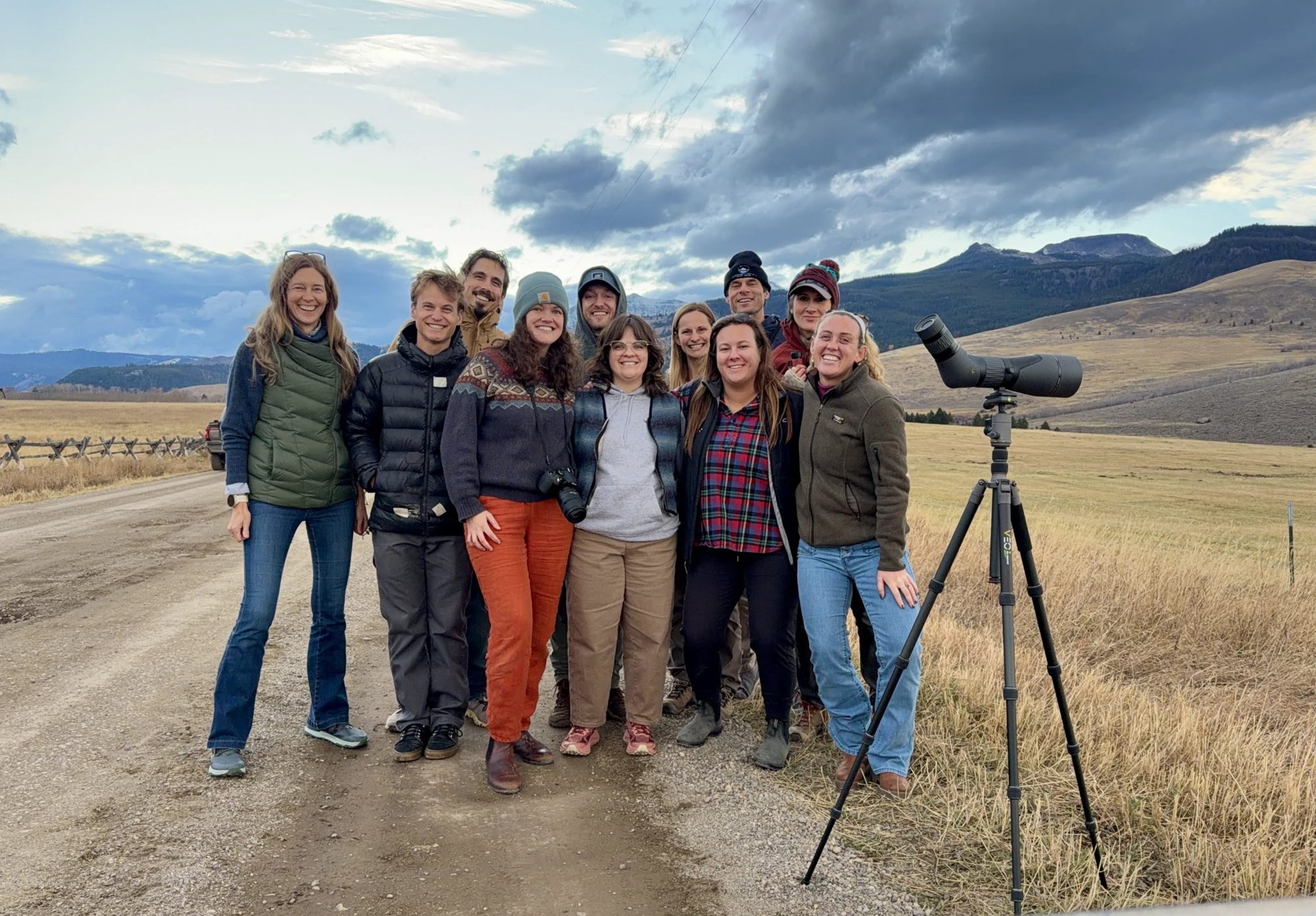
We planned seven working sessions. Each one took a part of how Adventure Scientists works, from the first time someone hears about a project to the moment a scientist uses their data, and tested it hard.
How We Train Citizen Science Volunteers, Tested From the Inside
More than 10,000 people have trained as Adventure Scientists volunteers over the past 15 years. We spent our first full day on the people who come next: how they find us, why they sign up, and where we lose them along the way.
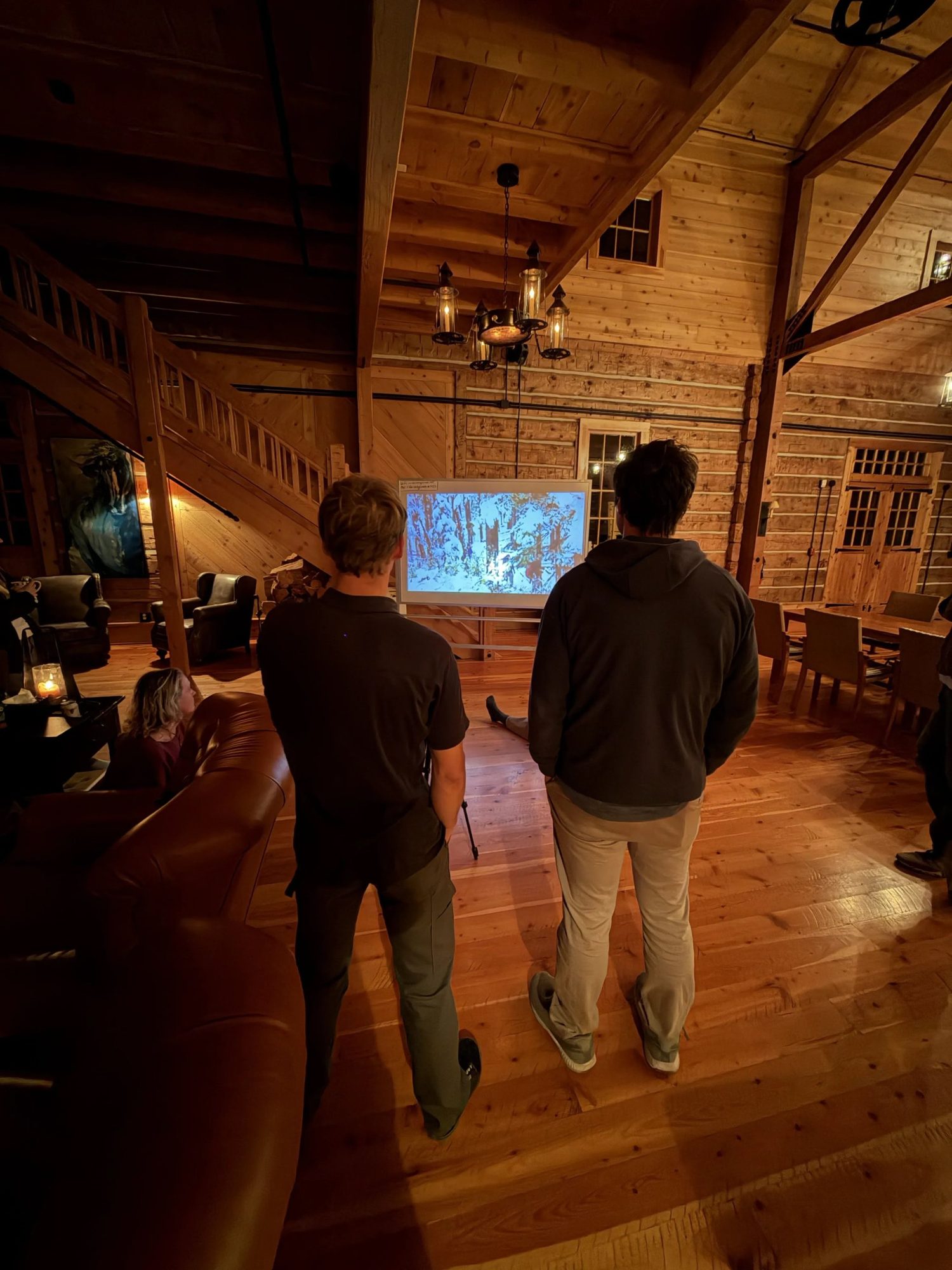
Then we became volunteers ourselves. Our tech and volunteer teams put the sign-up and training platform on the big screen, and everyone in the room worked through it as a first-time volunteer would. Program managers, fundraisers, and our executive director logged every screen where someone might hesitate, get confused, or quit.
Learning the Whitebark Pine Survey Protocol at 7,000 Feet
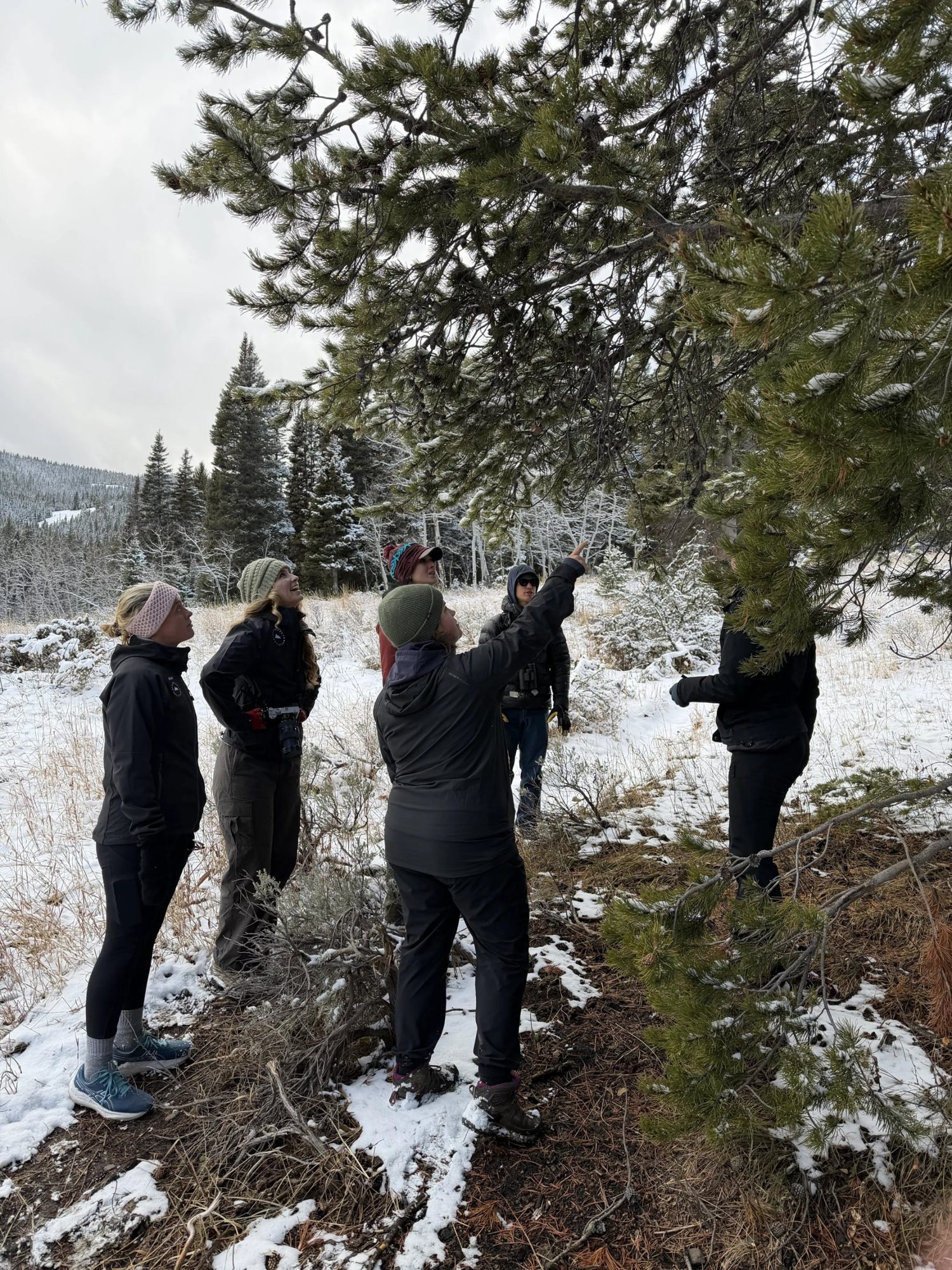
We went outside, too. Lila, our Forest Programs Manager, and Sam, our Volunteer Operations Manager, led the team through the same whitebark pine survey protocol our volunteers use in Washington and Oregon, in late-October cold above 7,000 feet.
Like our volunteers, most of our staff aren't field scientists. An afternoon doing exactly what volunteers do, with cold hands and a data sheet, shows where instructions are clear and where our custom-designed technology can make the experience smoother.
Community Science in Coral Reefs, Mangroves, Mountains, and Forests
Adventure Scientists began 15 years ago with adventurers collecting samples in the backcountry. Today, our work also includes coral reef monitoring with local community divers across Latin America, mangrove research in Indonesia, and more to come. We spent a morning setting those programs side by side and asking what has to stay the same in every one of them.
Three standards held across all of them: every program collects data that is hard to get; the data must be of the highest quality, rigor, and integrity; and it must be used to inform decisions, policy, management, or interventions that meaningfully benefit the planet. Who collects it changes from place to place, from backcountry skiers in the Pacific Northwest to community divers in Roatán, and so does how we train and support them.
The team also got a look at our custom-made app, which coral volunteers use to upload survey data after every dive, so each record can be reviewed and approved by a local coordinator before it reaches researchers.
How We Measure Conservation Impact
Volunteers trained, samples collected, and miles hiked show how hard people worked. On their own, they can't show whether a decision changed, a species gained protection, or a community is better off.
So we spent a full session defining how we measure success around four pillars: long-term, trusted, hard to gather, and impactful. Every project has to answer three questions.
What are we accomplishing? Why does the work matter? Is anyone better off?
With our North Star in mind, we're now defining the goals of every project around those answers.
Another session focused on the people who make this work possible: how we keep our supporters close, and how we report back on what their support accomplished.
Biomimicry and Living With the Land
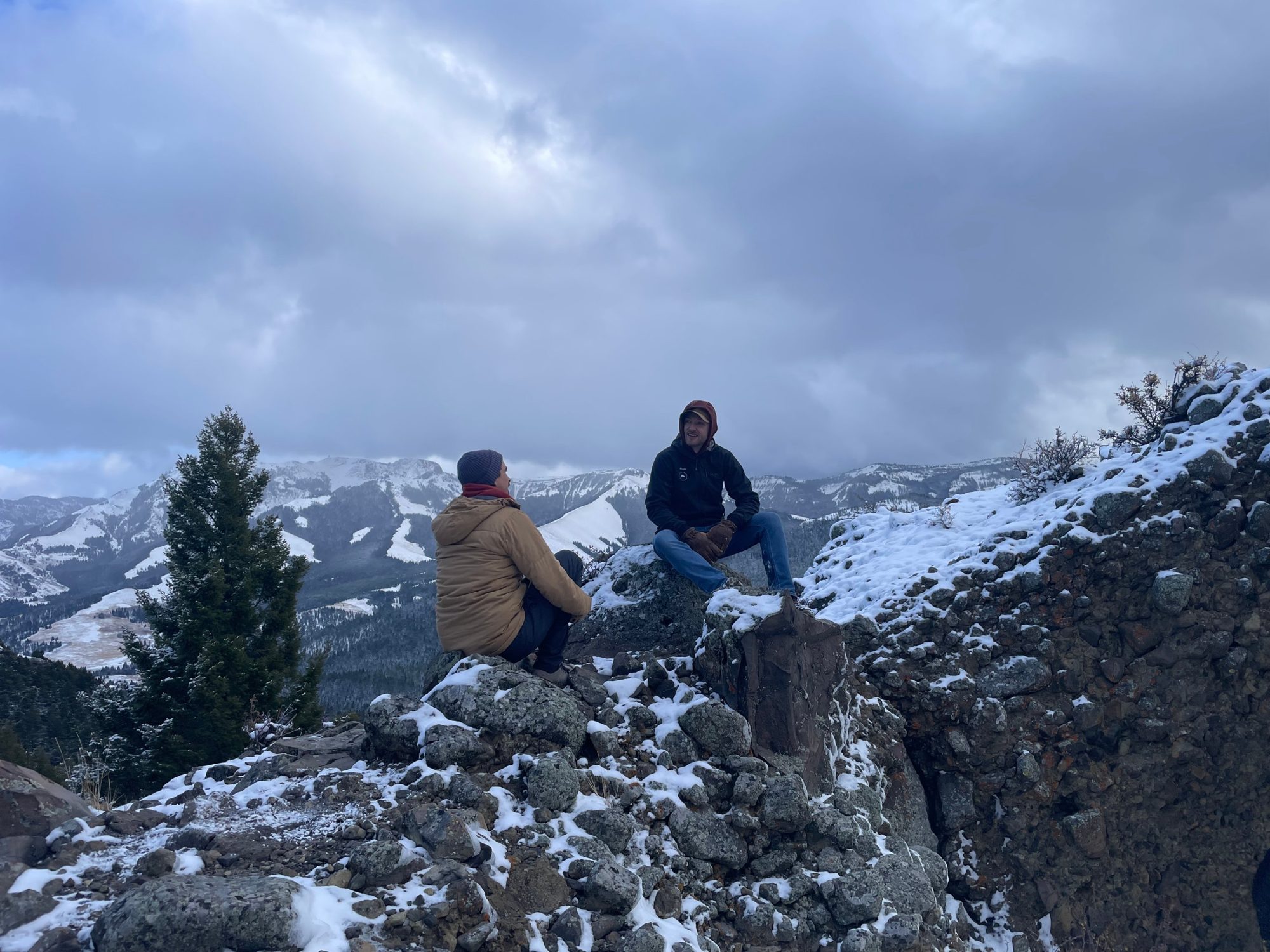
Tom Miner Basin is a place where working ranches and grizzly bears share the same ground. It was a fitting place to spend time on biomimicry: what nature has already figured out, and what we can learn from it.
One night we turned dinner into a campfire conversation built around questions like these:
What's something in nature that has amazed you with how cleverly it works? What does nature show us about growing sustainably without using up all our resources? If nature could give Adventure Scientists one piece of advice, what would it be?
Grizzly Bears, Elk, and Bighorn Sheep in Tom Miner Basin
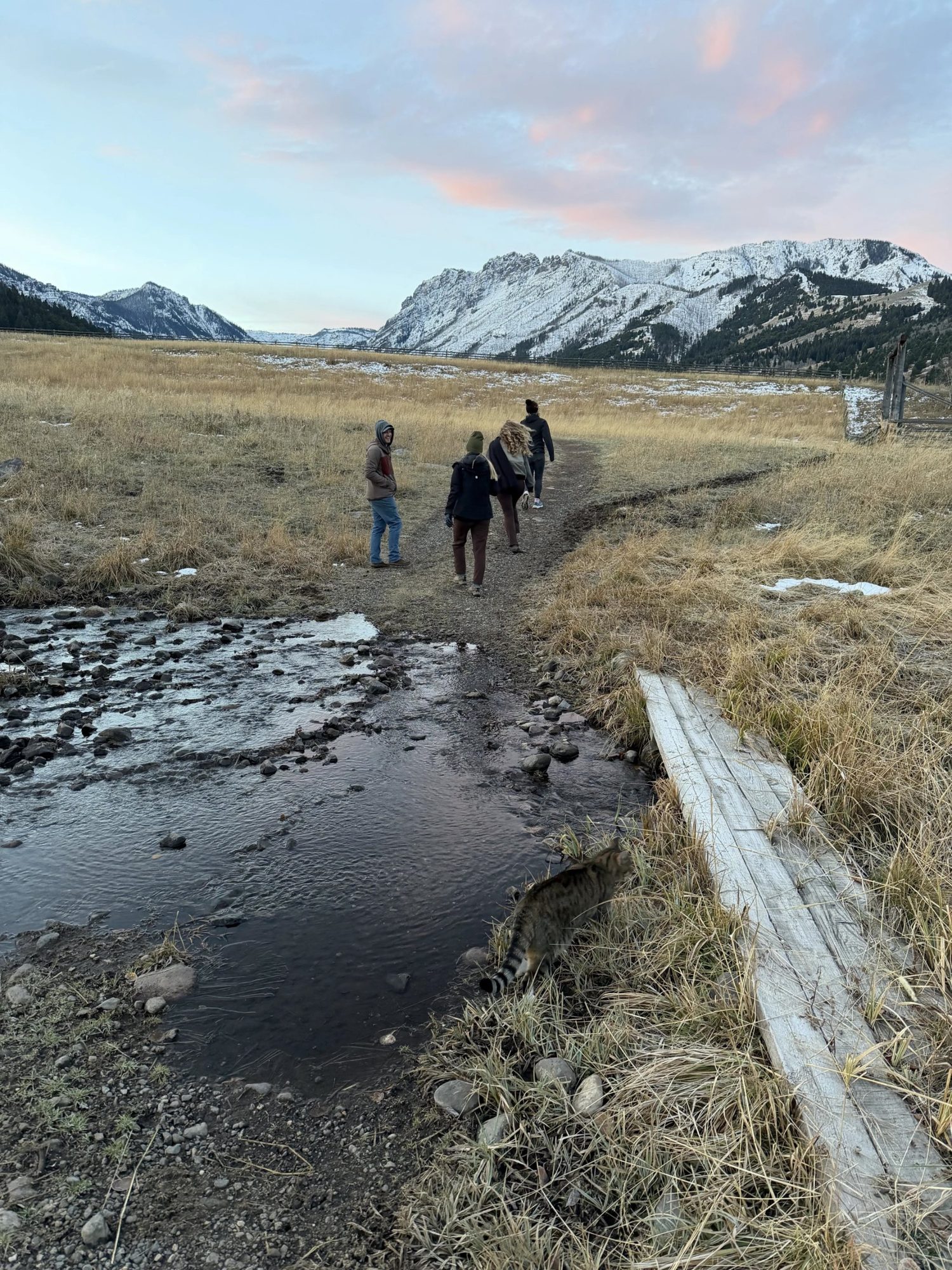
We started every morning stretching or trekking out at sunrise, while the frost and snow were still on the grass. Every evening, we took our binoculars out and, from a safe and respectful distance, we watched grizzly bears, pronghorn, bighorn sheep, elk, and one very busy badger.
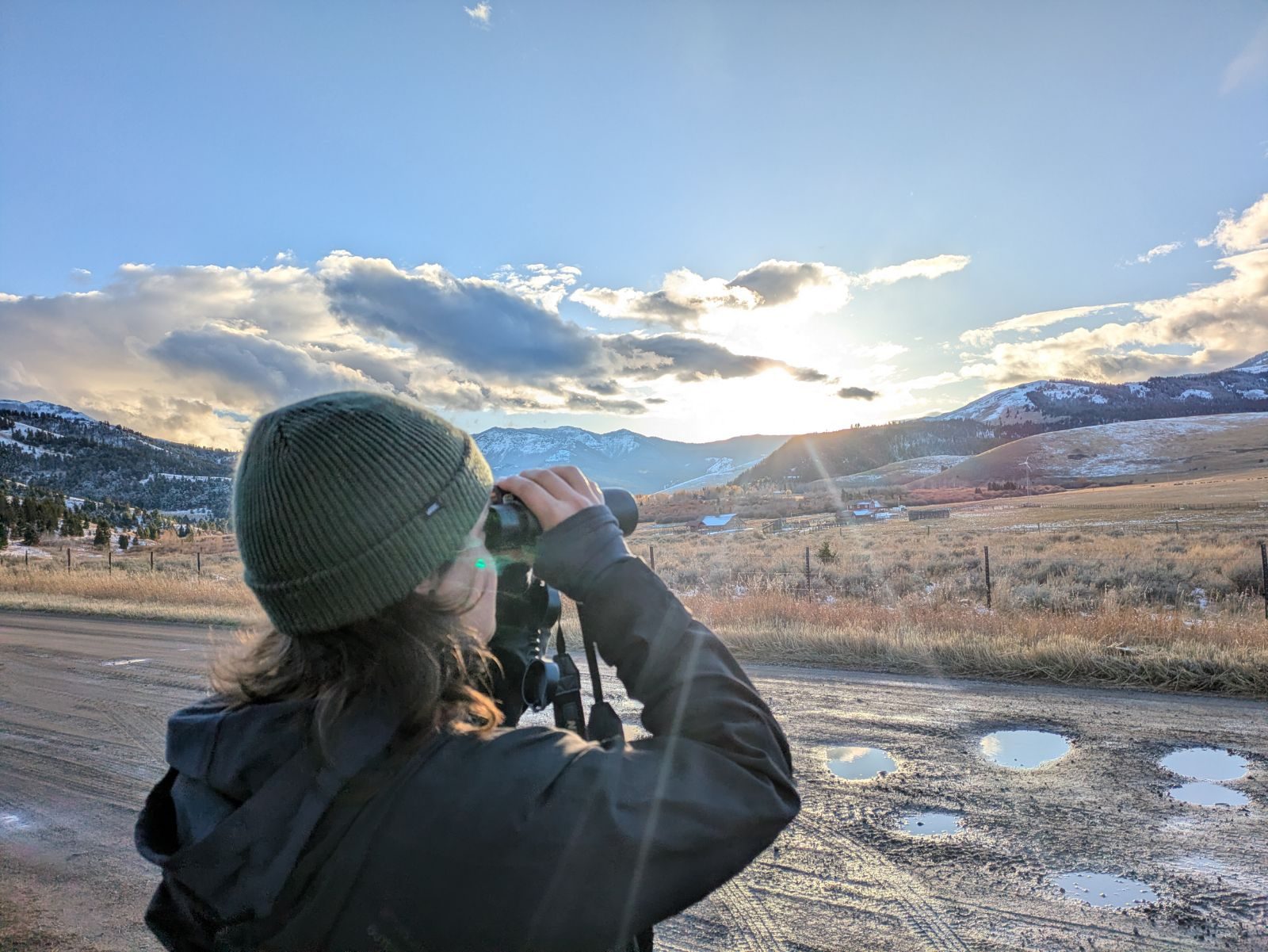
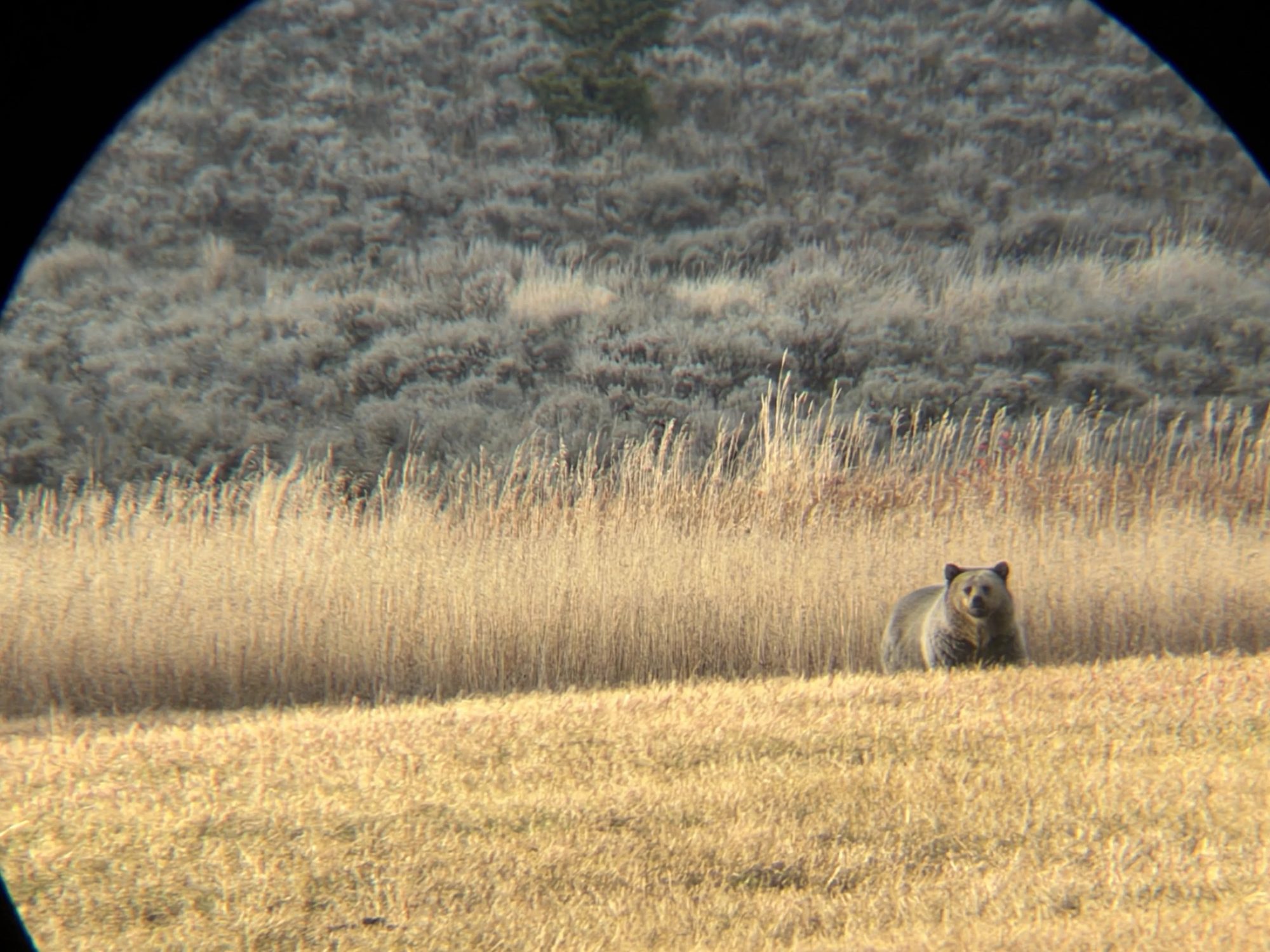
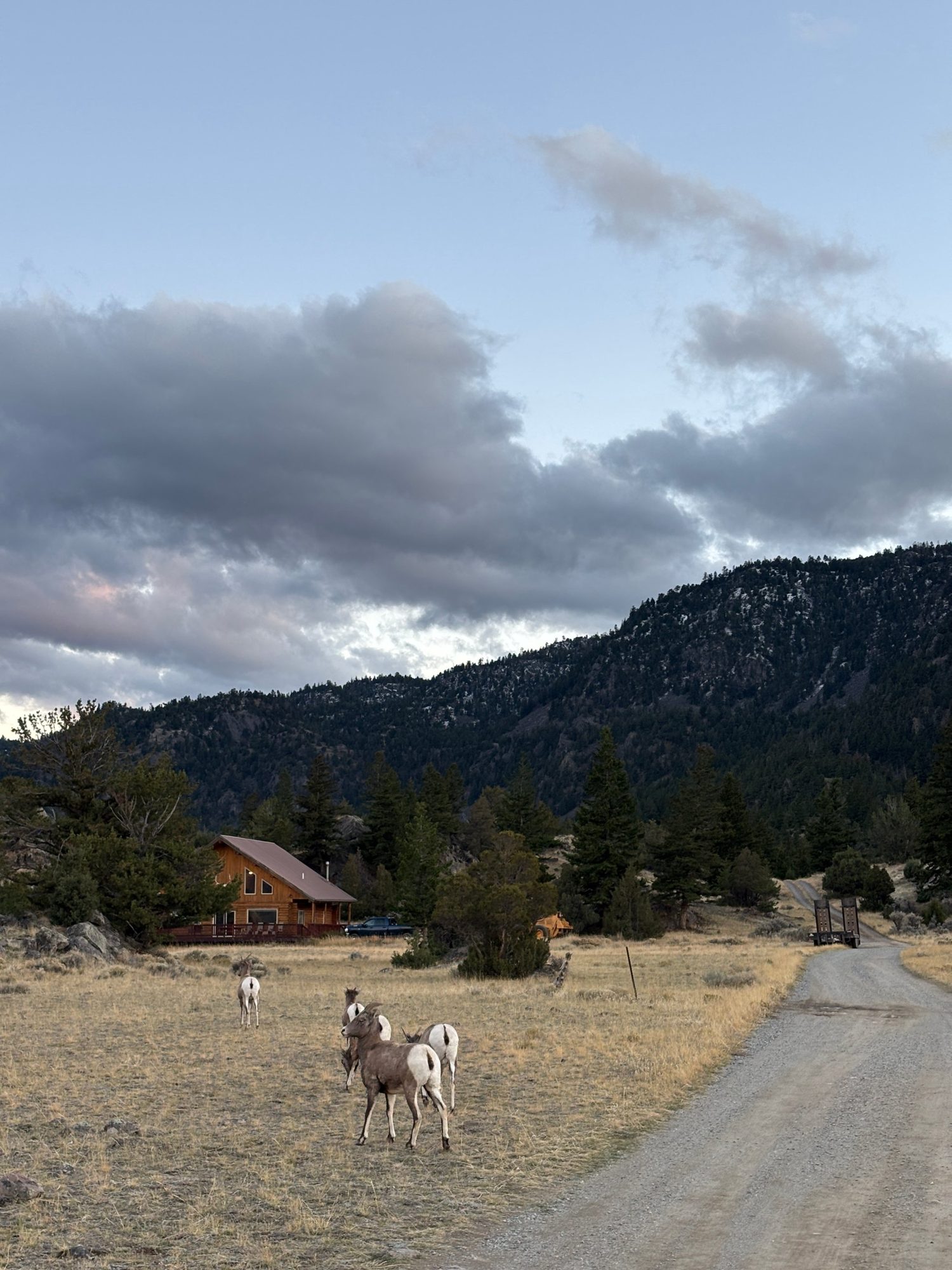
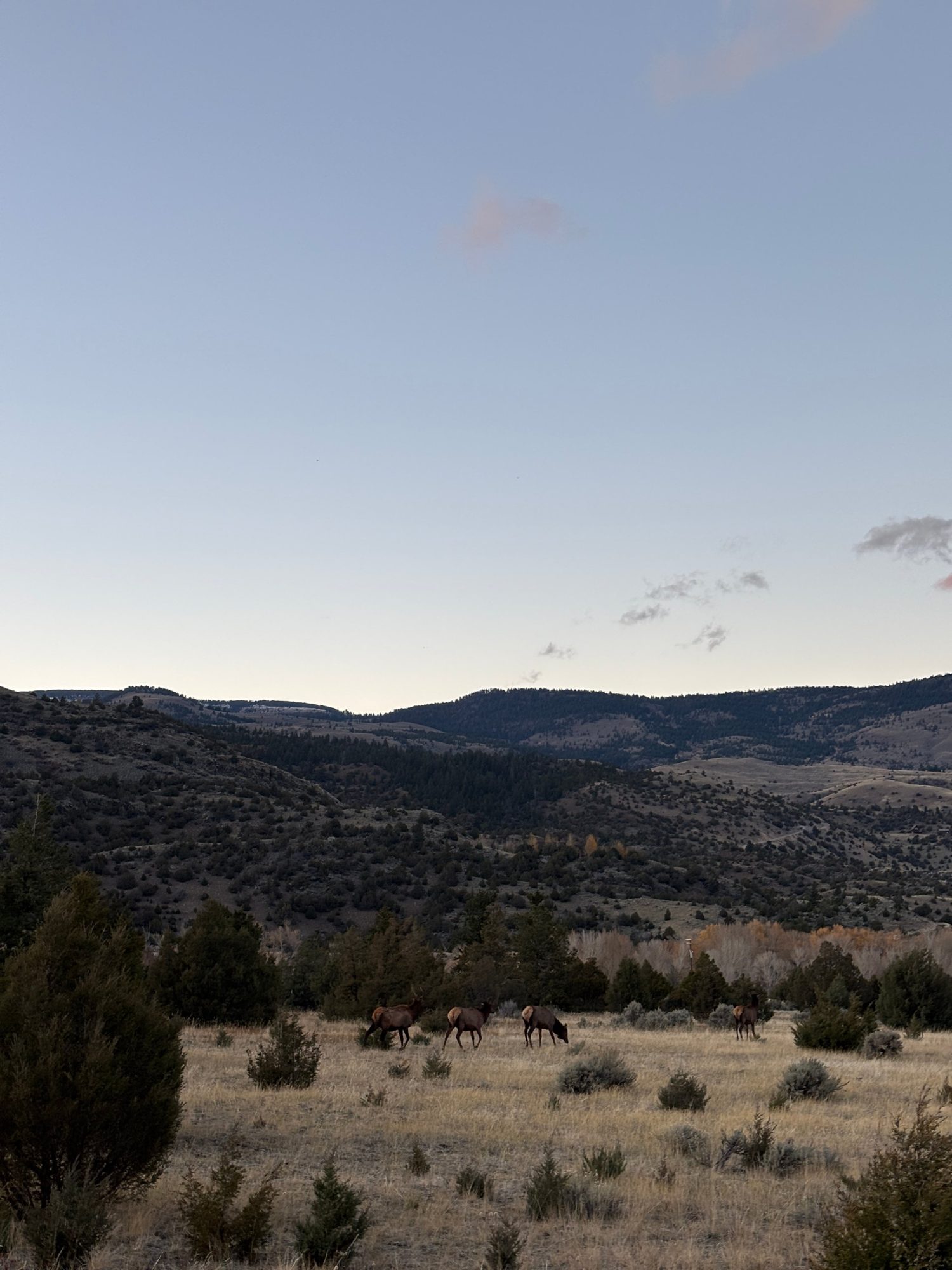
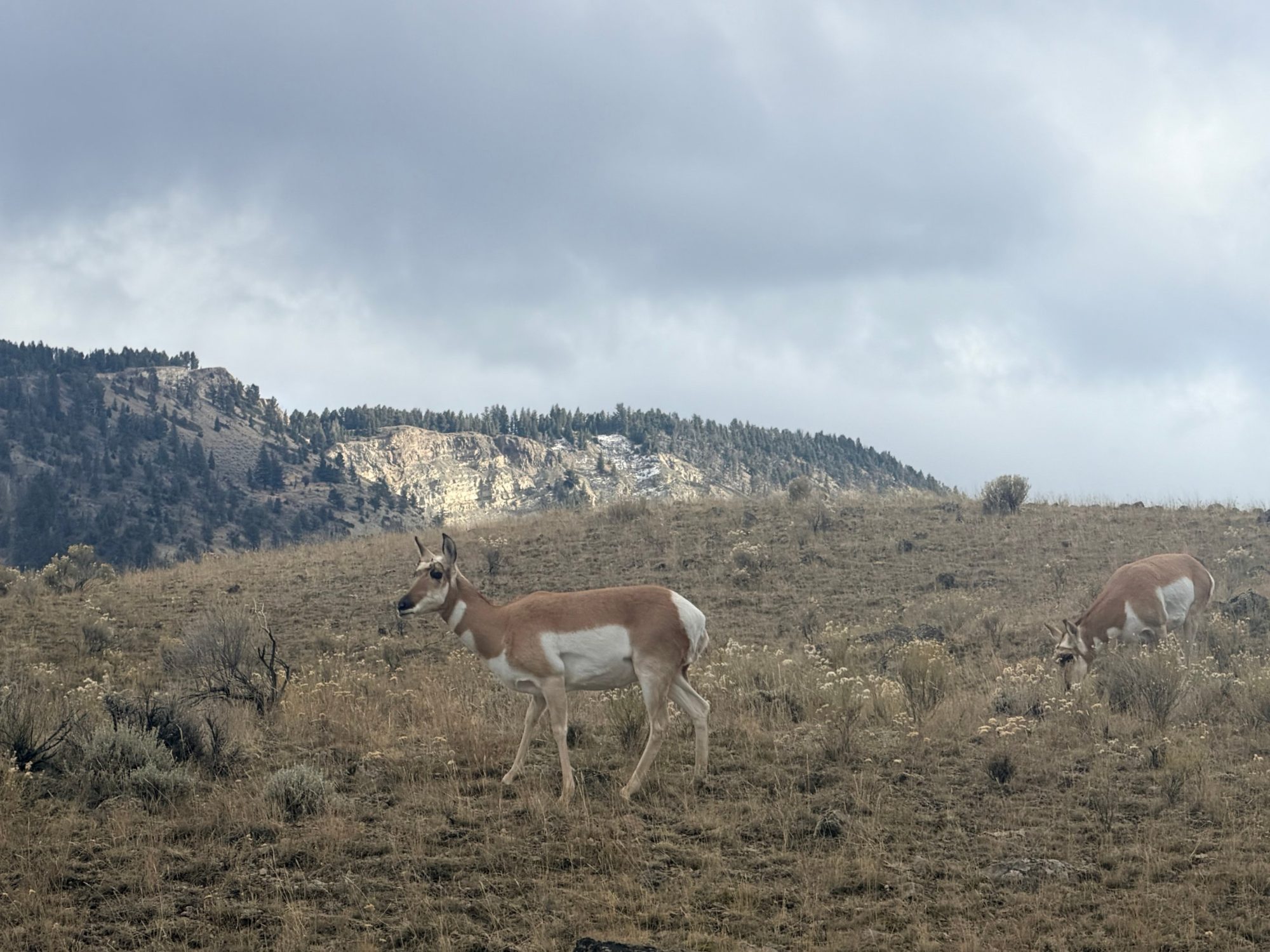
Places like Tom Miner Basin are the reason this work exists. We want them to still be this wild in fifty years.
What Comes Next for the 2027 Field Season
The 2027 field season starts now. If you'd like to know where you can join a project, sign up for our newsletter.
Join Adventure Scientists
Sign up for our newsletter to hear about our upcoming projects, ways to support, and get involved.