
Skookum Dave spends his days transcribing a pioneer’s journals about the Cascade-Siskiyou National Monument. Then he hikes the same ground to place wildlife recorders.
My name is Skookum Dave, and I’m haunted by a man named George F. Wright.
I’m a volunteer for the Southern Oregon Historical Society, where I’ve been digitizing and transcribing George’s handwritten collection. George was a Southern Oregon pioneer who lived in Jackson County and whose personal diaries, handwritten journals and narrative manuscripts are some of the few extant records to depict life from 1860 to 1960 in what is now known as the Cascade-Siskiyou National Monument (The Monument).
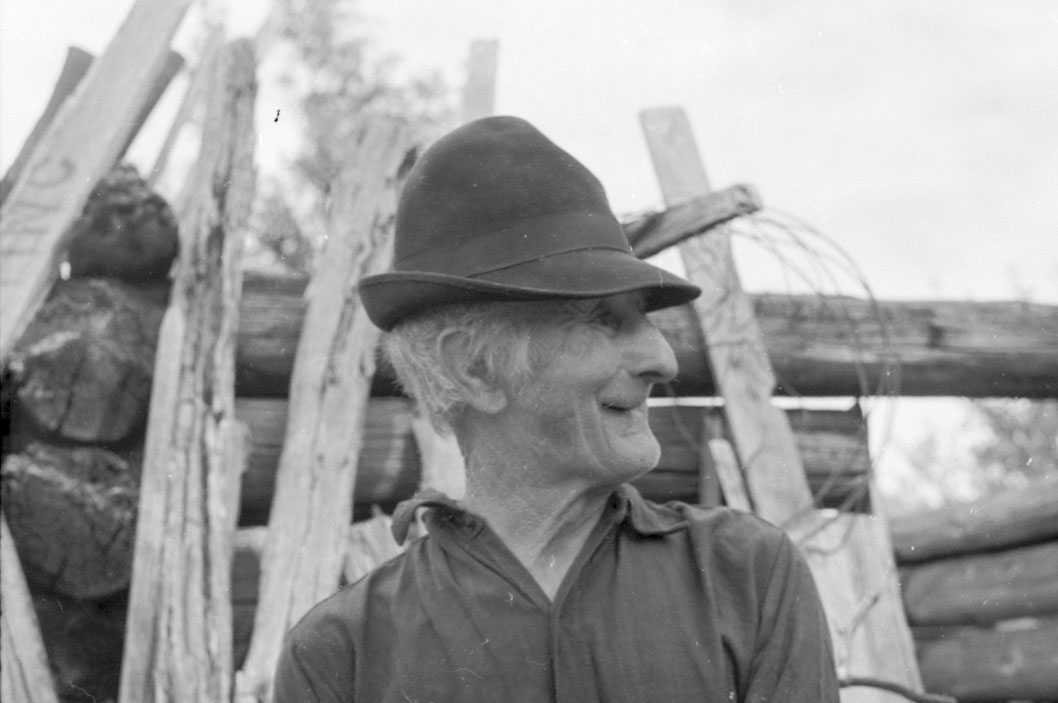
As I step into his world, George teaches me the history of The Monument. I do this work so that I have, as conservationist Dave Willis puts it, “…an inkling of what they’re missing.”
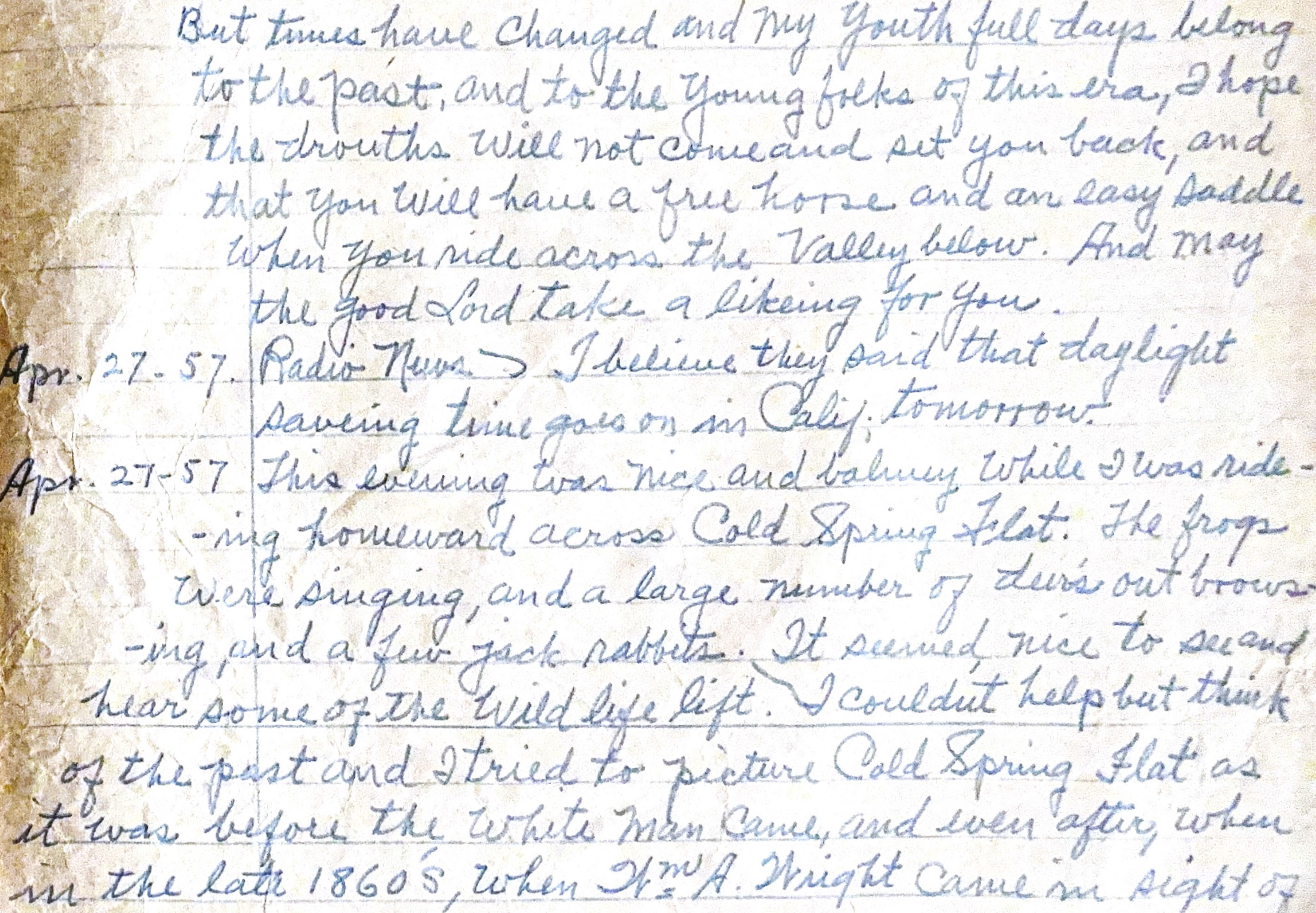
Looking back through George’s eyes, I see the irreparable damage and destruction that occurred in The Monument a hundred years before the process to make it a protected area ever came to fruition. In one thoughtful entry from 1954, George witnessed:
“What a fine country this must have been before the white man came and killed and destroyed all the good things the Indians had, the fish and game, the bunchgrass and all the rest is gone, the Indians too.”
Hearing George’s words echo in my head continues to be an unnerving reminder of what happens when insatiable appetite meets a landscape without protection. Market Hunters decimated the area’s big game and operated on an industrial scale to supply commerce, restaurants, and the fashion industry in the late 19th century. The Takelma, Shasta, and Dakubetede were forcibly removed from Southwestern Oregon after the Rogue River Wars and eventually pushed to the Siletz and Grand Ronde Reservations.
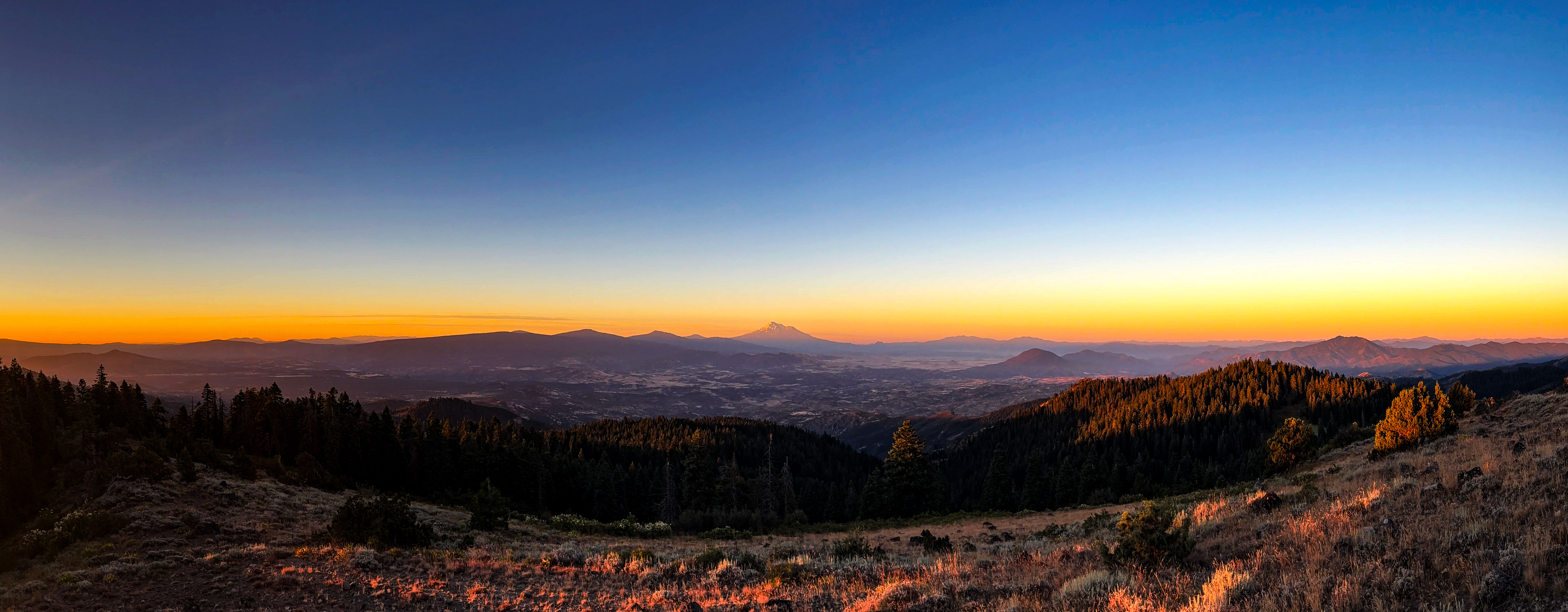
Over 125 years later a pivotal grassroots campaign finally began to advocate for the creation and protection of The Monument, led by Dave Willis. Mr. Willis’s decades of advocacy guided the official establishment of the Cascade-Siskiyou National Monument in 2000. As Mr. Willis reminds us:
“We’re all temporary. Behind the energy map is the nagging question of what kind of world we’ll leave when we’re gone – the question of whether our grandchildren will bless or curse us. ‘Personal virtues,’ contrary to the inference of some, are necessary. But, without virtuous policy, the special Baldy Creeks, Soda Mountains, Camp Creeks, Skookum Creeks, and Agate Flats of this one lovely, irreplaceable world that we did not create and cannot replace are doomed to be just more banal casualties of mindless, insatiable appetite. Guaranteed: our descendants will curse us for that — if they have even an inkling of what they’re missing.”
To craft virtuous policy and keep these lands protected, land managers need credible, science-backed answers. Skookum Dave is not a scientist. That doesn’t stop me from emerging out of the archives, strapping on a backpack, and volunteering for Adventure Scientists. I’ve hiked around 50 miles this season, placing or retrieving 28 autonomous recording units for the PNW Forest Biodiversity Program while visiting some of my favorite places deep in The Monument. Contributing to conservation while doing what I love.
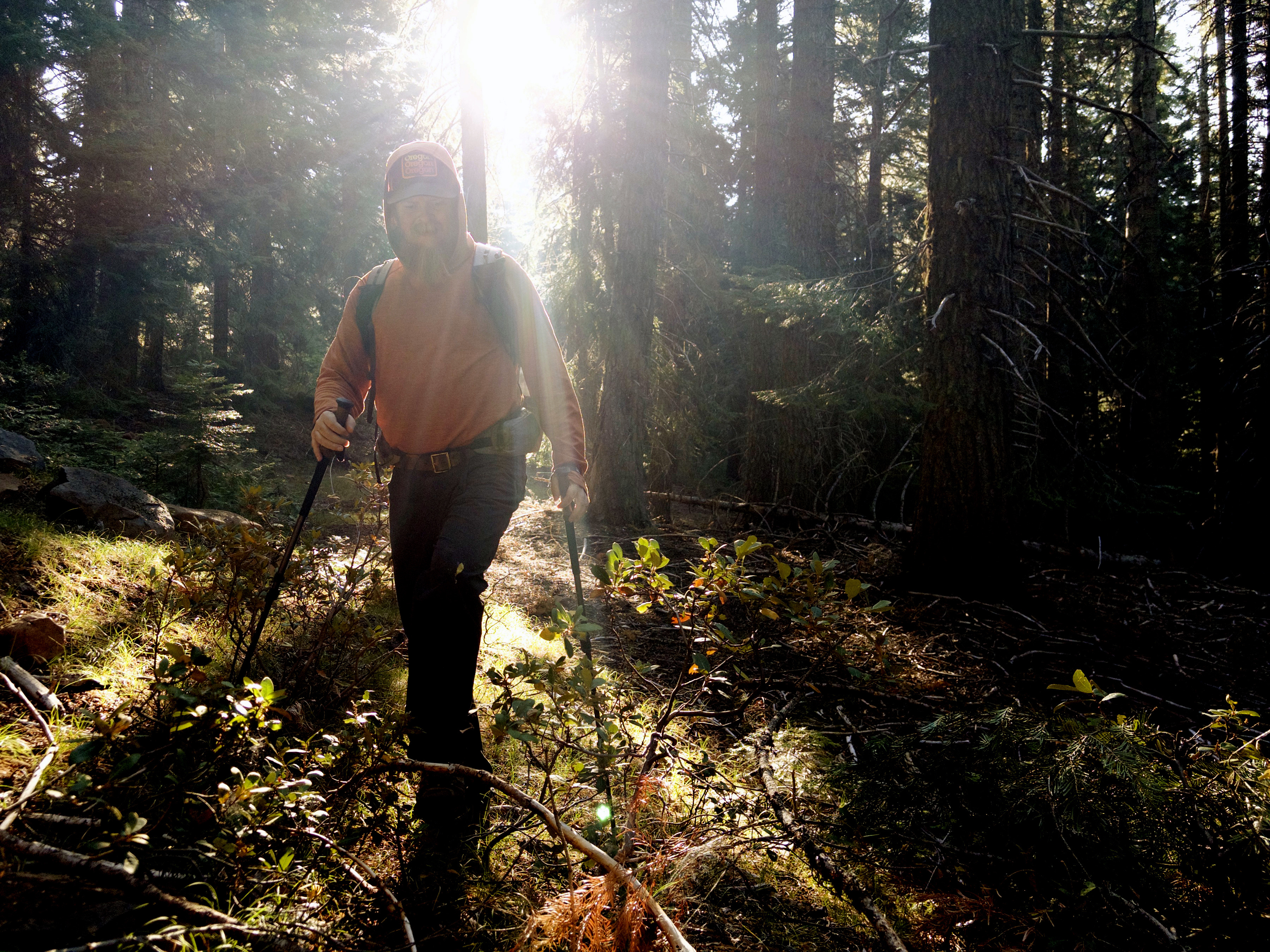
I venture into the same territory, where George once walked and that Willis champions, to collect hard to gather field data. Adventure Scientists trained and supported me for mobilization into remote places and challenging conditions where data are notoriously hard to gather. The rigorous datasets I gather are directly used to inform critical decisions, guide land managers, and shape environmental policy that meaningfully benefits the planet.
Outdoorsy recreationalists are given the tools needed to become an active line of defense in the places we love. I don’t just admire nature. I help protect its future so that we can ensure our descendants inherit a thriving world, and bless us for saving it.